
Table of Contents
- Introduction
- Why Water Cartridges Replacement Matters
- Preparation Before Water Cartridges Replacement
- Step-by-Step Water Cartridges Replacement Process
- Types of Water Filter Cartridges
- Maintenance Tips After Replacement
- Common Issues and Solutions
- Company Spotlight: HENGTENG Machine
- Summary Table
- Frequently Asked Questions (FAQs)
- References
Introduction
Proper water cartridges replacement is essential for maintaining clean, safe, and high-quality water in homes, businesses, and industrial facilities. Over time, filter cartridges accumulate impurities such as sediment, chlorine, heavy metals, and microorganisms, reducing the efficiency of your filtration system. Knowing the correct steps ensures effective filtration and prevents water contamination.
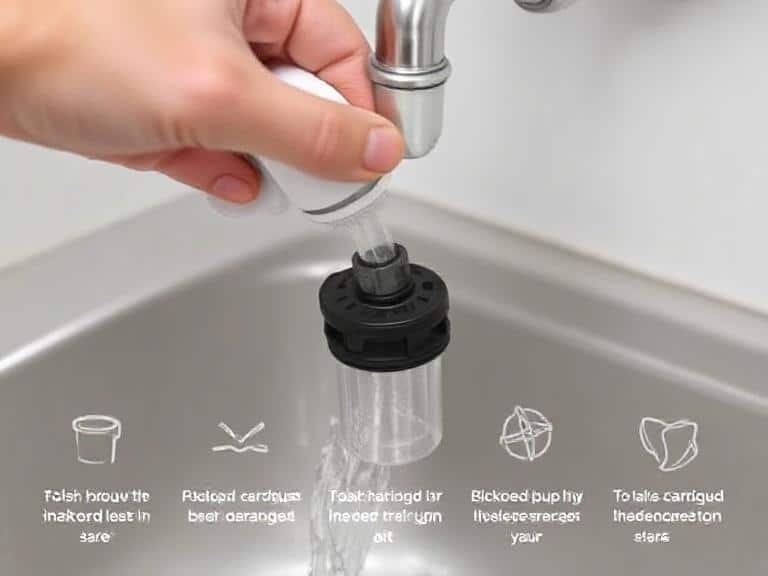
In this article, we’ll guide you through the complete steps of water cartridges replacement, explain maintenance tips, and highlight the expertise of HENGTENG Machine—a global leader in filter cartridge production equipment manufacturing.
Why Water Cartridges Replacement Matters
The importance of water cartridges replacement cannot be overstated. A clogged or expired cartridge can lead to reduced water flow, unpleasant taste, and possible health risks. Here’s why regular replacement is critical:
- Ensures optimal filtration efficiency.
- Prevents bacteria buildup inside the filter system.
- Improves water taste and odor by removing impurities.
- Extends the lifespan of your water filtration system.
For consistent water purity and pressure, most filters require cartridge replacement every 3–6 months, depending on water quality and usage.
Preparation Before Water Cartridges Replacement
Before performing the water cartridges replacement, it’s essential to prepare both the tools and environment to ensure safety and efficiency.
Tools and Materials Needed:
- Replacement water cartridges (check compatibility)
- Wrench or filter housing tool
- Bucket or towel for spills
- Rubber gloves
- Sanitizing solution
- Lubricant (silicone-based for O-rings)
Safety Precautions:
- Turn off the water supply before starting.
- Relieve pressure in the system by opening a nearby faucet.
- Follow the manufacturer’s safety instructions for your specific model.
Step-by-Step Water Cartridges Replacement Process
Here’s a detailed breakdown of the steps of water cartridges replacement for most filtration systems:
Step 1: Shut Off the Water Supply
Locate the main water valve and turn it off to prevent water from entering the system during replacement.
Step 2: Release Pressure
Use the pressure release button or open a nearby faucet to relieve trapped pressure. This makes unscrewing the housing easier.
Step 3: Remove the Filter Housing
With a filter wrench, carefully unscrew the housing. Prepare a bucket to catch residual water.
Step 4: Remove the Old Cartridge
Take out the used cartridge and dispose of it properly. Check for any sediment buildup inside the housing.
Step 5: Clean the Filter Housing
Wash the housing using a mild detergent or sanitizing solution. Rinse thoroughly to remove any residue.
Step 6: Lubricate the O-Ring
Apply silicone lubricant to the O-ring to prevent leaks and ensure easy tightening.
Step 7: Install the New Cartridge
Insert the new water cartridge into the housing. Make sure it’s seated properly in the center.
Step 8: Reattach the Filter Housing
Screw the housing back into place and tighten by hand or with a wrench until snug—avoid over-tightening.
Step 9: Turn On the Water Supply
Slowly open the water valve to allow water into the filter. Check for leaks around the housing.
Step 10: Flush the System
Run water through the filter for about 5–10 minutes to remove any air and carbon dust before using the filtered water.
Always record the date of your water cartridges replacement for future maintenance tracking.
Types of Water Filter Cartridges
Different filtration systems use varying types of cartridges, each serving a unique purpose. Here are the most common types:
- PP Sediment Cartridges: Remove sand, dirt, and rust particles.
- CTO Carbon Block Cartridges: Reduce chlorine, odor, and taste issues.
- Yarn-Wound Cartridges: Capture fine sediments for industrial or well-water applications.
- Activated Carbon Cartridges: Absorb organic contaminants and volatile chemicals.
- RO Membrane Cartridges: Used in reverse osmosis systems for ultra-fine filtration.
Maintenance Tips After Replacement
- Inspect O-rings and seals during each cartridge change.
- Keep extra cartridges on hand for timely replacements.
- Monitor water pressure—low pressure may indicate clogging.
- Use only manufacturer-recommended cartridges.
- Sanitize the housing at least once a year.
Common Issues and Solutions
| Issue | Possible Cause | Solution |
|---|---|---|
| Water leaks around housing | Loose fitting or damaged O-ring | Tighten housing and replace O-ring |
| Low water pressure | Clogged cartridge | Replace cartridge immediately |
| Bad water taste | Expired carbon cartridge | Install new carbon filter |
| Cloudy water | Air trapped in system | Flush system for 5–10 minutes |
Company Spotlight: HENGTENG Machine
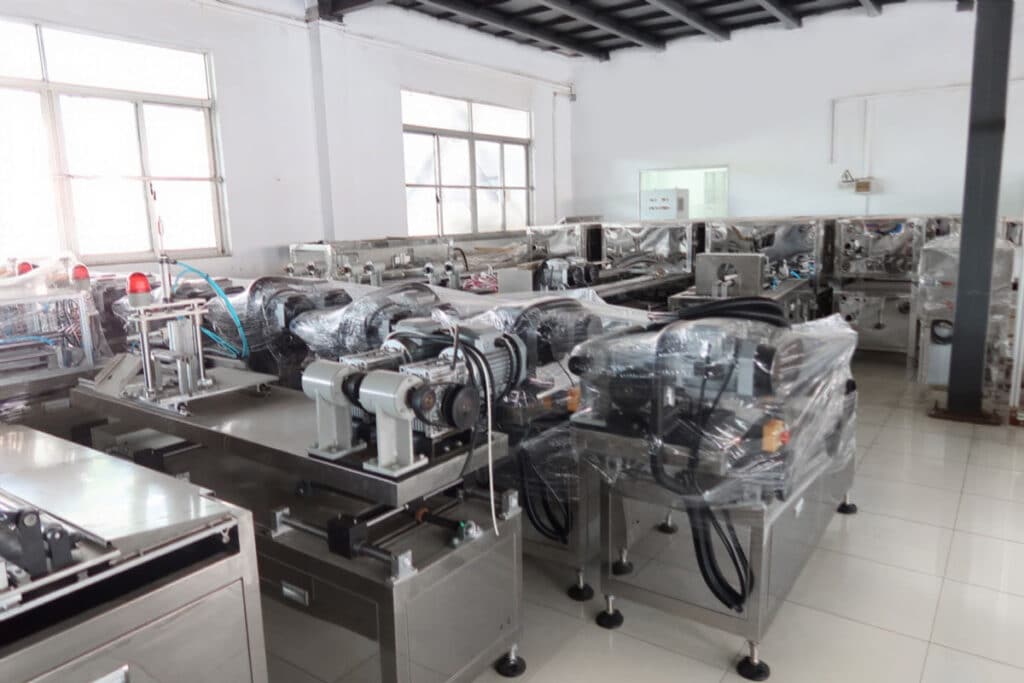
HENGTENG Machine is a leading manufacturer of filter cartridge production machines, delivering high-quality, efficient, and intelligent solutions trusted by clients worldwide since 1989. With over 35 years of experience, the company stands as one of China’s earliest and most advanced suppliers in the filtration equipment industry.
About HENGTENG Machine
Hengteng Environmental Technology Co., Ltd. focuses on creating innovative filter cartridge production lines that meet modern industrial needs for water purification and air filtration systems. With ISO certification and advanced automation technologies, HENGTENG ensures precision, stability, and superior performance.
Our Products Include:
- PP Filter Making Machine
- CTO Carbon Block Filter Making Machine
- PP Yarn Winding Filter Making Machine
Why Choose HENGTENG Machine?
- High-efficiency manufacturing systems.
- Smart control technology for precision.
- Comprehensive global support network.
- Environmentally responsible production methods.
Trusted globally, HENGTENG Machine empowers filtration manufacturers to produce efficient, durable, and high-performance water filters with precision.
Summary Table
| Step | Description | Estimated Time |
|---|---|---|
| 1 | Shut off water supply | 2 minutes |
| 2 | Release pressure and remove housing | 5 minutes |
| 3 | Replace old cartridge and clean housing | 10 minutes |
| 4 | Install new cartridge and reassemble | 5 minutes |
| 5 | Flush system and check for leaks | 10 minutes |
Frequently Asked Questions (FAQs)
1. How often should I perform water cartridges replacement?
Generally, every 3–6 months, but the frequency depends on water quality and system usage.
2. Can I clean and reuse water filter cartridges?
Most cartridges, especially carbon and sediment types, are not reusable. Always replace with new ones for safety and performance.
3. What happens if I delay cartridge replacement?
Delaying can lead to contamination, bacterial growth, and reduced water pressure, compromising water quality.
4. Do all filtration systems use the same cartridge size?
No, cartridge sizes vary. Always verify the correct model and size for your filtration unit.
5. How do I know when it’s time for replacement?
Watch for reduced water flow, unpleasant taste, or visual discoloration in the water.