
As we enter 2026, the demand for high-quality filtration solutions has reached unprecedented levels. From water purification to chemical processing, the humble polypropylene (PP) filter is the unsung hero of industrial efficiency. At the heart of this supply chain lies the PP melt blown filter cartridge machine, a sophisticated piece of equipment that transforms raw plastic granules into precise, multi-layered filtration media.
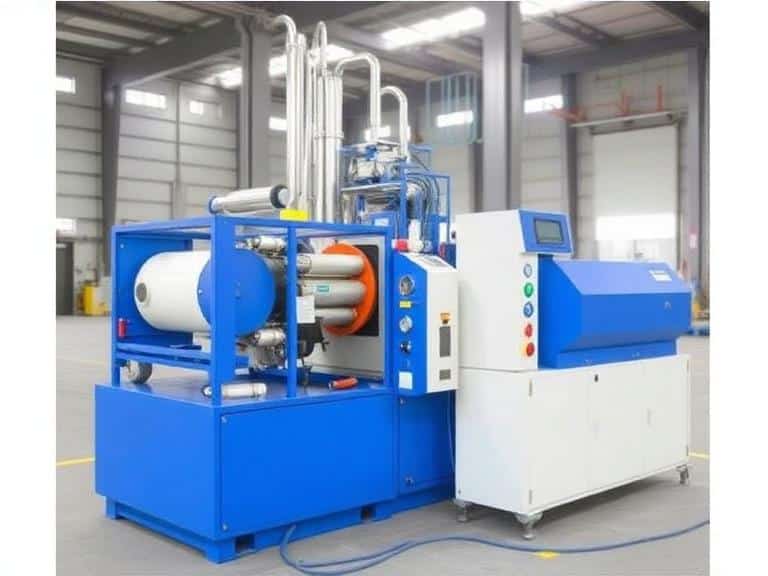
Choosing the right machine is critical for manufacturers. The difference between a profitable production line and a maintenance nightmare often comes down to the quality of the extruder, the stability of the winding mechanism, and the intelligence of the control system. In 2026, the best machines are defined by their automation, energy efficiency, and ability to produce “gradient density” filters that trap more contaminants.
In this comprehensive guide, we review the top 6 machines dominating the market this year. While our focus includes melt-blown technology, we also highlight advanced winding systems that are essential for specific filtration needs. Whether you are upgrading your factory or starting a new production line, these are the models you need to know about.
The Evolution of Filtration Manufacturing in 2026
The core technology behind the PP melt blown filter cartridge machine has evolved significantly. While the basic principle involves extruding molten polymer through fine nozzles and blowing it onto a rotating shaft, modern machines are far more advanced.
In 2026, the standard for excellence includes “One-Key Start” automation, real-time fiber diameter monitoring, and energy-saving inverters that reduce power consumption by up to 30%. Furthermore, the ability to produce hybrid filters—combining the depth filtration of melt-blown with the structural integrity of yarn winding—is becoming increasingly important for competitive manufacturers.
The 6 Best PP Filter Cartridge Machines
We have curated this list based on output capacity, reliability, technical support, and energy efficiency. Leading our list is a versatile winding solution that complements any high-end filtration production floor.
1. HT Single-Head PP Yarn Winding Filter Machine
While melt-blown technology is vital, yarn winding remains the gold standard for specific high-pressure and chemical filtration applications. The HT Single-Head PP Yarn Winding Filter Machine is a masterpiece of engineering designed for precision and continuous operation. It serves as an essential counterpart to melt-blown lines for manufacturers offering a complete catalog of filtration products.

Top Pick: HT Single-Head PP Yarn Winding Filter Machine
This machine is engineered for the high-speed production of string-wound filter cartridges. Unlike older models that require constant manual adjustment, the HT Single-Head utilizes a frequency conversion speed control system that ensures uniform yarn tension. This results in a filter cartridge with consistent density and superior dirt-holding capacity.
Why It Stands Out: Its “set and forget” operation mode allows for 24-hour continuous production with minimal supervision. It supports a wide range of materials including PP, cotton, and glass fiber, making it incredibly versatile.
Technical Parameters
| Item | Specification |
|---|---|
| Machine Type | HT Single-Head PP Yarn Winding Filter Machine |
| Applicable Filter Length | 10”, 20”, 30”, 40” (customizable) |
| Production Speed | High-speed continuous winding |
| Power Supply | AC 380V / 50Hz |
| Control System | Frequency Conversion Speed Control |
| Operation Mode | Fully Automatic / Semi-Automatic |
| Energy Consumption | Low power design for long-term operation |
| Application | PP, Cotton, Glass Fiber, Nylon Yarn |
| Productivity | High output, stable operation 24h/day |
2. 2e2mPP Melt-Blown High-Efficiency Line
When it comes to pure PP melt blown filter cartridge machine technology, the 2e2mPP model is a market leader for mid-to-large scale factories. The name “2e2m” refers to its dual-extruder, dual-mold configuration, which allows for the simultaneous production of different fiber layers.
This machine excels at creating “gradient density” filters. By controlling the two extruders independently, manufacturers can produce a cartridge that is loose on the outside (to catch large particles) and tight on the inside (for fine filtration). This structure significantly extends the service life of the filter compared to single-layer alternatives.
- Dual-layer gradient production.
- High output (up to 3500 pcs/day).
- Self-cleaning nozzle design.
- Higher initial investment cost.
- Requires larger floor space (approx 50m²).
3. 3E3M Multi-Layer Gradient System
For the premium segment, the 3E3M (Three Extruder, Three Mold) machine is the pinnacle of the PP melt blown filter cartridge machine market in 2026. This machine is designed for producing high-end filters used in pharmaceuticals and food and beverage industries where filtration precision is non-negotiable.
With three distinct heating zones and extruders, it offers the finest control over fiber diameter. It can produce ultra-fine fibers for the inner core while maintaining structural rigidity in the outer layers. The fully automatic PLC system monitors temperature variations within 1 degree Celsius, ensuring batch-to-batch consistency.
4. ANGE Automatic Spun Filter Machine
ANGE Machinery has carved a niche for itself by focusing on user-friendliness. Their Automatic Spun Filter Machine is designed for ease of use, making it an excellent choice for new entrants into the filtration market. It features a simplified interface that reduces the learning curve for operators.
Despite its simplicity, it is a robust PP melt blown filter cartridge machine. It includes an auto-cutting system that precisely cuts cartridges to length (10″, 20″, 30″, etc.) without stopping the line. This continuous production capability maximizes uptime and reduces waste material.
5. Raj Filter Systems Heavy Duty Extruder
In industrial environments where power fluctuations and harsh conditions are common, durability is key. The Raj Filter Systems Heavy Duty Extruder is built like a tank. Originating from engineering demands in South Asia and the Middle East, this machine is designed to withstand unstable power grids and high ambient temperatures.
It may lack the sleek touchscreens of its competitors, but its mechanical reliability is unmatched. It uses heavy-duty gearboxes and wear-resistant screws that can process recycled PP granules without jamming, offering a significant cost advantage for manufacturers using lower-grade raw materials.
6. Hokon Medical-Grade Melt Blown Line
Rounding out our list is a specialist machine: the Hokon Medical-Grade Line. Originally adapted from mask-production technology, this PP melt blown filter cartridge machine is optimized for creating absolute-rated filters with sub-micron precision.
The entire extrusion line is enclosed to prevent environmental contamination, a requirement for medical and laboratory grade filters. It uses a specialized air heating system that produces incredibly fine “nano-fibers,” creating a dense web that captures bacteria and fine particulates that standard industrial filters miss.
Buying Guide: How to Select a PP Melt Blown Filter Cartridge Machine
Investing in filter cartridge machinery is a major decision. In 2026, here are the critical factors you must evaluate:
1. Output Capacity vs. Energy Consumption
Look for the “kWh per kilogram” metric. The best modern machines utilize servo motors and insulated heating barrels to reduce energy waste. A machine like the HT Single-Head is designed for low power consumption, which directly boosts your profit margins.
2. Layering Capability
Single-layer filters are becoming obsolete for high-value applications. Ensure your machine can produce at least 2 or 3 distinct layers (gradient density). This is achieved through multiple extruders or advanced nozzle designs that vary air pressure during the melt-blowing process.
3. Automation Level
Does the machine require manual cutting? Does it have an auto-feeder for the raw plastic? In 2026, fully automatic lines are standard. They reduce labor costs and improve safety by keeping operators away from hot components.
4. Screw and Barrel Quality
The screw is the heart of the machine. It must be nitrided or bimetallic to resist wear, especially if you plan to use additives or recycled PP. A worn screw leads to inconsistent melting and poor filter quality.
Maintenance Tips for Peak Performance
To keep your PP melt blown filter cartridge machine running for a decade or more, follow these protocols:
- Nozzle Cleaning: The spinneret holes are microscopic. Use ultrasonic cleaning baths or specialized vacuum ovens to clean them. Never use metal tools that could scratch the surface.
- Gearbox Oil Changes: Change the transmission oil every 6 months to prevent gear wear.
- Heater Inspection: Check band heaters regularly for cold spots. Uneven heating causes the polymer to degrade, leading to brittle filters.
Summary Comparison Table
| Machine Model | Best For | Technology | Key Feature |
|---|---|---|---|
| HT Single-Head | Yarn Winding | Winding | 24h Continuous Operation |
| 2e2mPP | Mid-Scale Production | Melt-Blown | Dual-Layer Gradient |
| 3E3M System | Premium Filters | Melt-Blown | Triple-Layer Precision |
| ANGE Automatic | Ease of Use | Spun Filter | Auto-Cutting System |
| Raj Heavy Duty | Rugged Environments | Extrusion | Handles Recycled PP |
| Hokon Medical | High Precision | Nano-Fiber | Contamination Control |
Frequently Asked Questions (FAQs)
1. What is the difference between melt-blown and yarn wound filters?
Melt-blown filters are made by spraying molten plastic onto a shaft, creating a chaotic web of fibers ideal for depth filtration. Yarn wound filters are made by precisely winding a string (yarn) around a core. Yarn wound filters generally have higher dirt-holding capacity for certain industrial fluids and can withstand higher pressures.
2. How much power does a PP melt blown machine consume?
A typical production line consumes between 30kW to 60kW per hour depending on the output capacity. Machines like the HT Single-Head are optimized for lower consumption, while multi-extruder lines (3E3M) will be at the higher end.
3. Can these machines use recycled polypropylene?
Yes, but with caveats. Recycled PP often has inconsistent melt flow indices (MFI). Robust machines like the Raj Heavy Duty are better suited for recycled material, whereas precision machines like the Hokon require virgin PP granules to prevent nozzle clogging.
4. What is the typical lifespan of these machines?
With proper maintenance, a high-quality PP melt blown filter cartridge machine can last 10-15 years. The main wear components are the screw, barrel, and cutter blades, which are replaceable.
References
1. Filtration Society. (2025). Advances in Melt-Blown Technology for Industrial Applications.
2. Plastics Industry Association. (2026). Global Market Report on Filtration Machinery.
For a visual demonstration of how winding technology complements melt-blown production, watch this detailed overview:
This video showcases the operational mechanics of the HT Single-Head machine, highlighting its automated features and winding precision which are crucial for producing high-quality industrial filters.