
Hengteng Machine — a global leader in filter cartridge manufacturing equipment since 1989 — provides high-quality, efficient, and ISO-certified production solutions trusted by customers in more than 60 countries. With advanced technology and decades of expertise, Hengteng Environmental Technology Co., Ltd. supports industries in maintaining optimal water filtration standards through innovative machinery and automation.
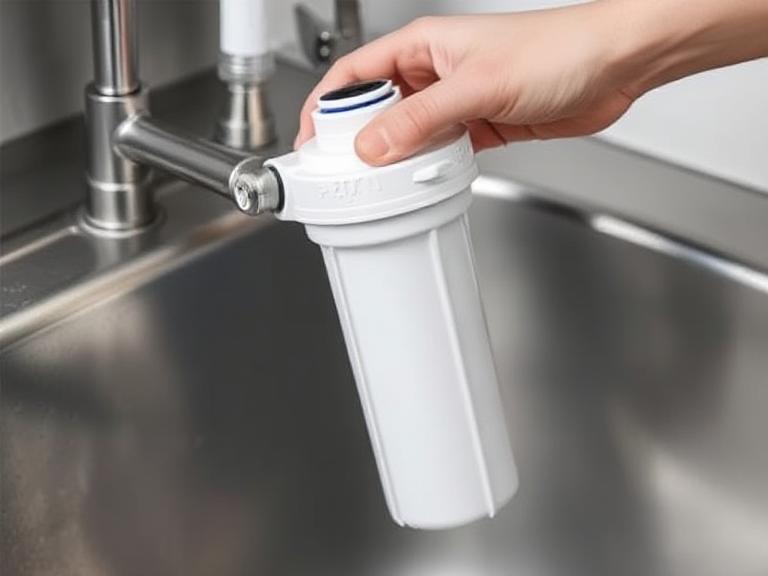
Table of Contents
- Introduction
- Why Replacing Water Filter Cartridges Is Essential
- Signs That Your Water Filter Cartridge Needs Replacement
- Step-by-Step Guide to Water Filter Cartridge Replacement
- Types of Water Filter Cartridges and Their Maintenance
- Hengteng Machine: Powering the Global Filter Industry
- Tips for Maintaining Filter Efficiency
- Summary Table: Key Points
- FAQs
- References
Introduction
Water filter cartridges are critical for ensuring clean, safe, and great-tasting water at home, in industries, and in commercial systems. However, filter cartridges lose effectiveness over time as they trap sediments, chemicals, and microorganisms. Replacing them regularly keeps your filtration system working efficiently and prolongs its lifespan.
In this detailed guide, you’ll learn the exact steps for water filter cartridge replacement, the importance of proper maintenance, and how Hengteng Machine’s advanced production lines help manufacturers deliver superior-quality filter cartridges worldwide.
Why Replacing Water Filter Cartridges Is Essential
1. Maintain Water Quality
As the filter captures impurities, its pores become clogged, reducing its ability to remove contaminants effectively. Replacing cartridges ensures consistent water purity.
2. Prevent Bacterial Growth
Old cartridges can become breeding grounds for bacteria and mold, posing health risks. Timely replacement prevents microbial contamination.
3. Protect Appliances and Systems
Clogged filters restrict water flow and increase pressure, potentially damaging your filtration unit or plumbing system.
4. Ensure Efficiency and Flow Rate
A fresh filter restores normal water pressure and optimizes performance, ensuring cost-effective water purification.
Signs That Your Water Filter Cartridge Needs Replacement
- Reduced water flow: A clear indicator that the filter pores are blocked.
- Bad taste or odor: When the filter media is saturated, water may taste metallic or chlorine-like.
- Cloudy water: Indicates decreased filtration performance.
- Manufacturer’s recommended schedule: Always follow replacement guidelines—typically every 3 to 6 months depending on usage.
Step-by-Step Guide to Water Filter Cartridge Replacement
Whether for domestic or industrial use, replacing a water filter cartridge is straightforward when done carefully. Follow these steps:
Step 1: Turn Off the Water Supply
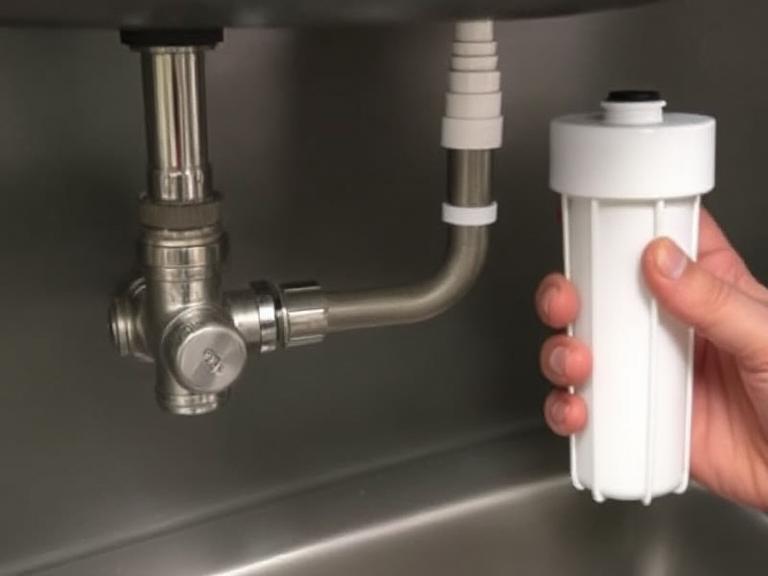
Before starting, shut off the main water supply or the valve leading to the filtration unit to prevent leaks and spills.
Step 2: Relieve System Pressure
Open a nearby faucet to release any remaining water pressure inside the system. This step ensures a smoother, safer cartridge change.
Step 3: Open the Filter Housing
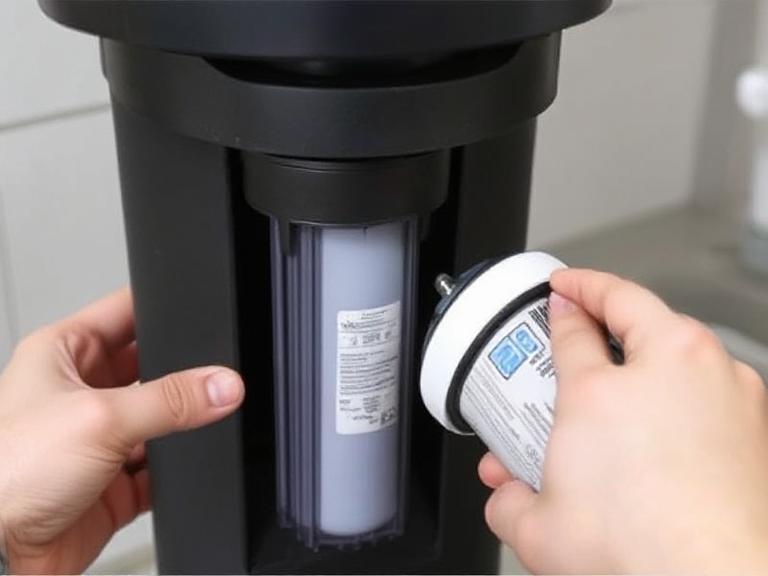
- Use a filter housing wrench if the casing is tightly sealed.
- Place a bucket or towel underneath to catch excess water.
Step 4: Remove the Used Cartridge
Take out the old cartridge carefully and dispose of it properly according to local waste guidelines.
Step 5: Clean the Filter Housing
Wipe the housing interior using a mild soap or bleach solution to eliminate bacteria or residue before installing the new cartridge.
Step 6: Install the New Filter Cartridge
- Ensure it is the correct model and size for your system.
- Check the direction of water flow indicated on the cartridge.
- Insert the new filter and make sure it fits snugly in the center.
Step 7: Reassemble and Tighten the Housing
Reattach the housing securely by hand or using the wrench. Avoid overtightening to prevent cracking or leaks.
Step 8: Restore Water Supply and Check for Leaks
Turn the water supply back on and run the system for a few minutes. Inspect for leaks and discard the first few liters of water to remove trapped air or carbon dust.
Types of Water Filter Cartridges and Their Maintenance
There are several types of cartridges available, each serving a unique function in water purification. Understanding them ensures correct replacement and maintenance.
1. PP Sediment Filters
- Removes rust, sand, and other large particles.
- Typically replaced every 3–6 months depending on water quality.
2. Carbon Block Filters (CTO)
- Eliminates chlorine, organic compounds, and odors.
- Recommended change interval: 6–12 months.
3. PP Yarn Wound Filters
- Traps fine particles in high-pressure systems.
- Used in industrial or pre-filtration setups.
4. Reverse Osmosis (RO) Membranes
- Removes dissolved solids and heavy metals.
- Requires replacement every 2–3 years, depending on water hardness.
5. Specialty Filters
- Include UV, alkaline, or mineral filters for specific functions.
- Follow manufacturer guidelines for replacement intervals.
Hengteng Machine: Powering the Global Filter Industry

Hengteng Environmental Technology Co., Ltd. has been a pioneer in designing and manufacturing filter cartridge production equipment since 1989. As one of China’s earliest professional manufacturers in this sector, the company serves customers across 60+ countries with efficient and intelligent filtration machinery.
Our Core Product Lines
- PP Filter Making Machine: For high-volume production of polypropylene sediment filters with precise fiber layering.
- CTO Carbon Block Filter Making Machine: For activated carbon block filters offering superior chlorine and odor removal performance.
- PP Yarn Winding Filter Making Machine: For producing string-wound filters with customizable micron ratings and dimensions.
Key Features of Hengteng Machines
- Smart Control Systems: Automated PLC touch control for user-friendly operation.
- High Efficiency: Designed for long-term operation with consistent quality output.
- ISO Certification: Compliance with international manufacturing standards.
- Global Service Network: Installation, training, and maintenance support worldwide.
Why Choose Hengteng Machine?
- 35+ years of experience in filtration technology manufacturing.
- Trusted by global water treatment companies and OEM brands.
- Continuous innovation and R&D for high-performance filter machinery.
Tips for Maintaining Filter Efficiency
- Follow a replacement schedule: Always replace filters based on manufacturer recommendations.
- Monitor water pressure: A sudden drop may indicate a clogged cartridge.
- Pre-filter sediment: Installing a sediment pre-filter extends cartridge life.
- Store spares properly: Keep new cartridges sealed in a cool, dry environment.
Summary Table: Key Points
| Step | Description |
|---|---|
| 1 | Turn off water supply |
| 2 | Relieve system pressure |
| 3 | Open and clean filter housing |
| 4 | Remove and dispose of old cartridge |
| 5 | Install new cartridge correctly |
| 6 | Check for leaks and restore flow |
| 7 | Flush system and test water quality |
FAQs
How often should I replace my water filter cartridge?
Most cartridges should be replaced every 3 to 6 months, depending on usage and water quality.
Can I clean and reuse filter cartridges?
Some sediment filters can be rinsed temporarily, but replacement is necessary for consistent performance and safety.
What happens if I don’t replace the cartridge?
Neglecting replacement can lead to bacterial growth, poor taste, and potential damage to your filtration system.
Does Hengteng Machine provide turnkey production lines?
Yes, Hengteng Machine offers complete filter cartridge production line solutions with setup, training, and technical support.