Cartridge filters are essential components in water purification, air filtration, and industrial fluid systems. They provide high-efficiency filtration through compact designs and durable materials. However, not all cartridge filters are made the same—their performance and lifespan depend heavily on the material used.
In this comprehensive guide, we’ll explore the most common materials used in cartridge filters, their properties, applications, and how to select the right one for your filtration needs.
To HENGTENG Machine Leading Manufacturer of Filter Cartridge Machines High-quality machines for efficient production of filter cartridges, trusted globally since 1989. High-efficiency | Smart Control | ISO Certified | Global Service
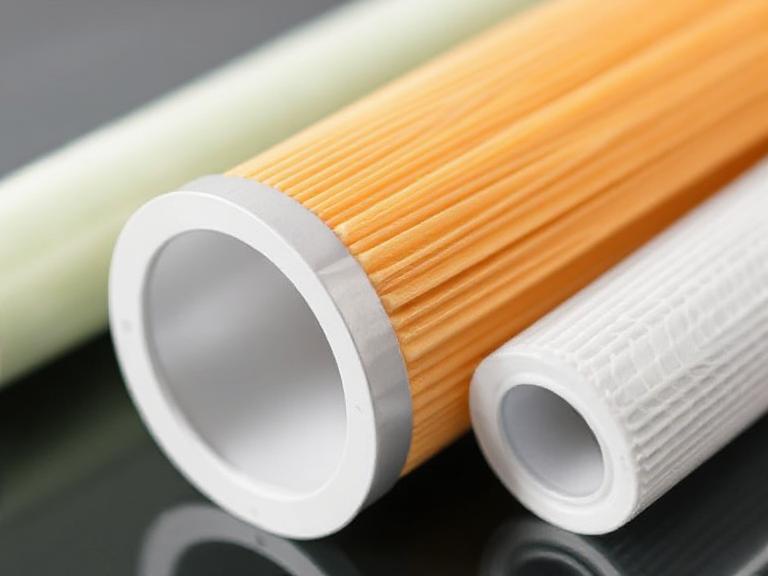
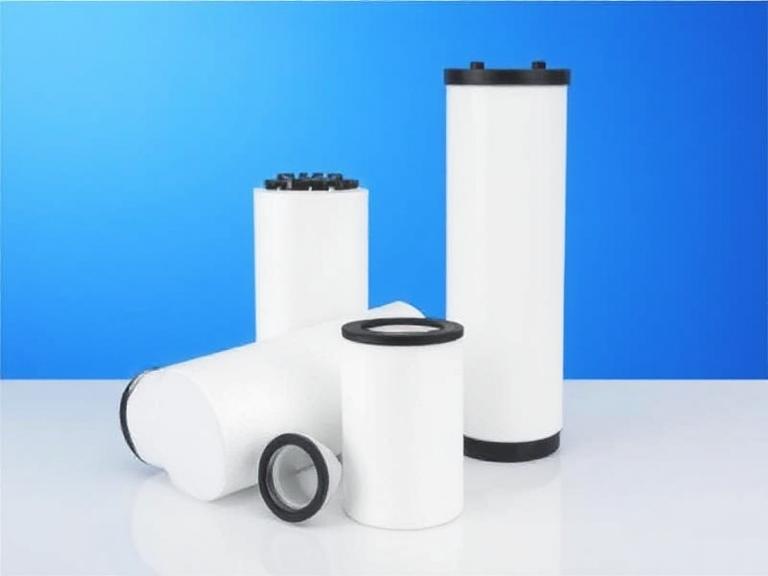
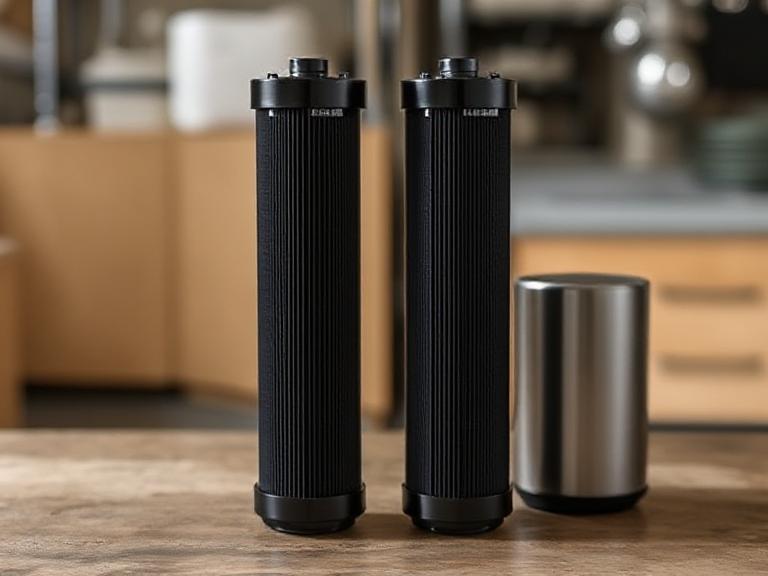
Cartridge filters are cylindrical filtration elements designed to remove impurities, particulates, and contaminants from liquids or gases. They are widely used in water purification, chemical processing, food and beverage industries, pharmaceuticals, and HVAC systems.
Each cartridge filter consists of a core structure and a filtration medium. The filtration medium is what determines the efficiency, chemical compatibility, and durability of the filter.
2. Importance of Material Selection
Choosing the right filter material is crucial for ensuring optimal performance. The type of material affects several factors, including:
Filtration efficiency — The ability to capture fine particles or microorganisms.
Chemical compatibility — Resistance to acids, alkalis, and solvents.
Thermal resistance — Capability to operate in high-temperature environments.
Mechanical strength — Durability under pressure or flow stress.
Cost and lifespan — Determines maintenance frequency and operational costs.
Understanding these aspects helps users and manufacturers select materials that best fit their intended use and environment.
3. Common Materials Used in Cartridge Filters
The materials used in cartridge filters vary based on their intended applications—ranging from polypropylene (PP) for general filtration to activated carbon for chemical adsorption. Below are the most common types:
3.1 Polypropylene (PP)
Polypropylene filters are among the most widely used due to their excellent chemical resistance and affordability. They are often used in water treatment and industrial filtration systems.
Resists acids, bases, and organic solvents.
Ideal for filtering sediments, rust, and particulates.
CTO carbon block filters are made from compressed activated carbon. They are effective at adsorbing chlorine, odors, and organic compounds from water, making them ideal for improving taste and purity.
Excellent at removing chlorine and volatile organic compounds (VOCs).
Used in drinking water systems and food processing.
PP yarn wound filters consist of a polypropylene or cotton yarn wrapped around a core. They are ideal for depth filtration, capturing contaminants throughout the filter body rather than just the surface.
Handles high-sediment loads.
Available in multiple micron ratings (1–100 µm).
Commonly used in water treatment, oil, and chemical industries.
Polyethersulfone (PES) membranes are known for their excellent flow rates and microbiological resistance. They are commonly used in pharmaceutical and biotechnology applications.
High thermal and mechanical stability.
Suitable for sterile filtration.
Hydrophilic surface for efficient liquid filtration.
3.5 Nylon (PA)
Nylon filters are widely used in chemical and analytical industries because of their strength and solvent resistance.
Good resistance to organic solvents and abrasives.
Used for ink, paint, and chemical filtration.
Temperature range: up to 120°C.
3.6 Polytetrafluoroethylene (PTFE)
PTFE filters offer superior chemical resistance and can operate under extreme temperatures. They are commonly used in gas filtration and aggressive chemical environments.
Highly resistant to acids and solvents.
Ideal for sterile air and vent filtration.
Operates up to 200°C.
3.7 Cellulose and Cellulose Blends
Cellulose-based filters are used for general-purpose applications like sediment and particle removal. They are affordable but less durable compared to synthetic materials.
Good for low-cost filtration systems.
Limited chemical and temperature resistance.
3.8 Stainless Steel Mesh
Stainless steel cartridge filters provide reusability, strength, and temperature resistance. They are perfect for industrial, oil, and high-pressure systems.
Withstands extreme pressure and temperature.
Washable and long-lasting.
Ideal for high-viscosity fluids and air filtration.
4. Applications of Different Filter Materials
Each filter material serves specific applications depending on its properties:
PP filters: Household and industrial water purification.
CTO filters: Drinking water and food-grade filtration.
Yarn wound filters: High-sediment or viscous liquid filtration.
PES and Nylon filters: Laboratory and pharmaceutical filtration.
PTFE filters: Chemical and high-temperature air filtration.
Stainless steel filters: Reusable and industrial process systems.
5. Filter Cartridge Manufacturing Machines
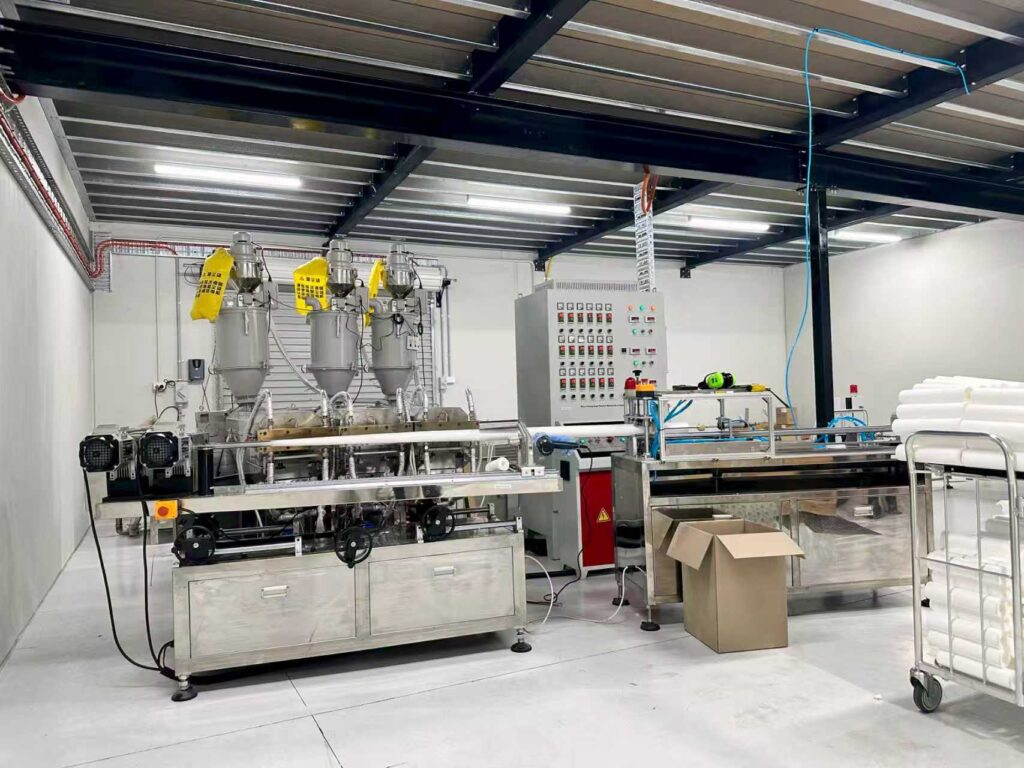
Modern filter cartridge production requires precision engineering and automated systems. That’s where HENGTENG Machine plays a vital role in the filtration industry.
HENGTENG Machine — Your Trusted Partner
Since 1989, HENGTENG Machine has been a leading manufacturer of filter cartridge making machines, offering high-performance solutions trusted globally.
PP Filter Making Machine: For producing melt-blown and spun PP filter cartridges.
CTO Carbon Block Filter Making Machine: Specially designed for compressed activated carbon block production.
PP Yarn Winding Filter Making Machine: Precision-controlled systems for winding yarn filters efficiently.
All machines feature smart control systems, ISO certification, and global support for reliable and efficient filter manufacturing.
6. How to Choose the Right Material
Selecting the correct cartridge filter material depends on several factors:
Type of fluid: Water, oil, gas, or chemicals.
Operating temperature and pressure: Determines material stability.
Chemical compatibility: Choose materials resistant to specific solvents or acids.
Filtration level: Micron rating and pore size requirements.
Budget and maintenance: Reusable vs disposable options.
7. Summary Table
Material
Key Features
Applications
Temperature Limit
Polypropylene (PP)
Chemical resistance, affordability
Water, industrial filtration
80°C
Activated Carbon (CTO)
Chlorine and odor removal
Drinking water, food industry
60°C
PP Yarn
Depth filtration, sediment handling
Industrial, chemical plants
90°C
PES
High flow, sterile filtration
Pharma, biotech
150°C
PTFE
Extreme resistance
Gas, chemical filtration
200°C
8. FAQs
1. What is the most common cartridge filter material?
Polypropylene (PP) is the most common due to its low cost, chemical resistance, and versatility.
2. Are carbon filters safe for drinking water?
Yes, CTO carbon filters effectively remove chlorine and odor, enhancing water taste and quality.
3. Can I reuse cartridge filters?
Some materials like stainless steel mesh are reusable after cleaning, while others are disposable.
4. Which material should I use for chemical filtration?
PTFE or Nylon filters are best for chemical compatibility and solvent resistance.
5. Who manufactures filter cartridge making machines?
HENGTENG Machine is a global leader, providing PP filter making machines, CTO carbon block filter machines, and PP yarn winding filter machines for industrial production.