
In an era where health consciousness is at an all-time high and municipal infrastructure is aging, water quality has become a paramount concern for homeowners worldwide. As we navigate through 2026, the question “Are whole house water filters a good idea?” is being asked more frequently than ever before. Unlike simple pitcher filters or under-sink units, a whole house system treats every drop of water entering your property, ensuring that the water you bathe in, cook with, and wash your clothes in is just as clean as the water you drink.
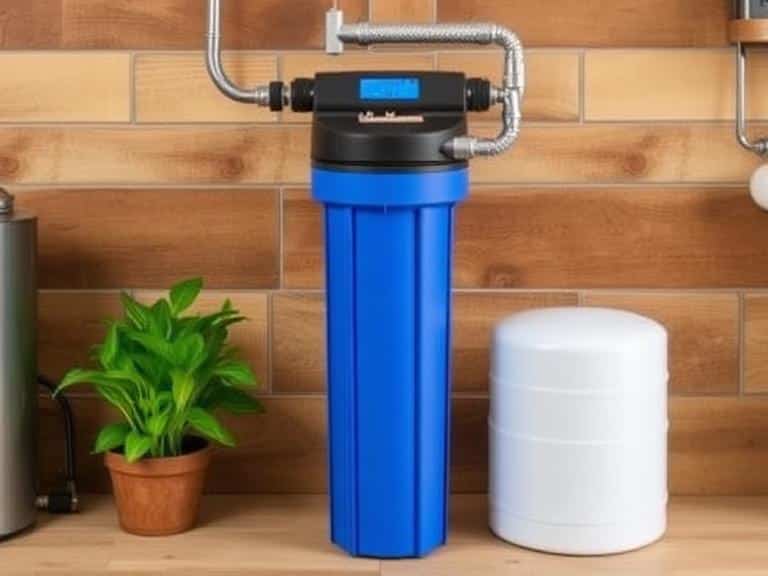
This comprehensive guide delves deep into the mechanics, benefits, costs, and potential drawbacks of installing a Point-of-Entry (POE) filtration system. We will explore whether the investment yields sufficient returns in terms of health, appliance longevity, and peace of mind.
- Understanding Whole House Filtration Systems
- The Major Benefits: Why Homeowners Are Switching
- Types of Systems: Finding Your Perfect Match
- Industrial Insight: The Role of Quality Manufacturing
- Cost Analysis 2026: Installation and Maintenance
- Potential Drawbacks and Considerations
- The Final Verdict: Are They Worth It?
- Summary Comparison Table
- Frequently Asked Questions (FAQs)
- References
Understanding Whole House Filtration Systems
To determine if are whole house water filters a good idea for your specific situation, it is essential to understand how they function. A whole house filter connects to the main water line entering your home. This means that all water dispensed from every faucet, showerhead, washing machine, and dishwasher passes through the filtration media before use.
The Difference Between POE and POU
Filtration systems generally fall into two categories: Point-of-Entry (POE) and Point-of-Use (POU). POU systems, like reverse osmosis units installed under a kitchen sink, only treat water at that specific location. While effective for drinking water, they leave the rest of the home vulnerable to contaminants. POE systems, or whole house filters, provide a comprehensive shield. This distinction is critical because skin absorption and inhalation of volatile chemicals during showers are significant routes of exposure often overlooked by POU systems.
The Major Benefits: Why Homeowners Are Switching
The argument for installing these systems is multifaceted. Here are the primary reasons why experts suggest that whole house water filters are a good idea in 2026.
1. Healthier Skin and Hair
Municipal water is typically treated with chlorine or chloramines to kill bacteria. While necessary for transport, these chemicals act as oxidants that strip natural oils from skin and hair. This often leads to dryness, irritation, and exacerbation of conditions like eczema. A whole house carbon filter effectively removes these disinfectants, resulting in softer skin and shinier hair after showering.
2. Extended Appliance Lifespan
Sediment, rust, and scale (calcium and magnesium) can wreak havoc on water-using appliances. Sediment clogs the tiny valves in dishwashers and washing machines, while scale buildup reduces the efficiency of water heaters. By filtering these impurities at the source, a whole house system can extend the life of your appliances by years, potentially saving thousands in replacement costs.
3. Improved Indoor Air Quality
It may sound surprising, but water quality affects air quality. When you take a hot shower, chlorine and Volatile Organic Compounds (VOCs) in the water vaporize and are inhaled. This can be problematic for individuals with asthma or respiratory sensitivities. Removing these chemicals before the water is heated significantly reduces this indoor pollution.
Types of Systems: Finding Your Perfect Match
Not all filters are created equal. The answer to “Are whole house water filters a good idea?” largely depends on choosing the right type for your water source.
Carbon Filters
These are the most common and cost-effective solutions for municipal water. They excel at removing chlorine, chloramines, pesticides, herbicides, and bad tastes or odors. They usually consist of a large tank filled with Granular Activated Carbon (GAC) or a catalytic carbon block.
Reverse Osmosis (RO)
While typically used for drinking water due to its slow flow rate, whole house RO systems do exist. They offer the highest level of purification, removing up to 99% of contaminants, including heavy metals, fluoride, and viruses. However, they require large storage tanks and repressing pumps, making them a significant investment.
Sediment Filters
These are often the first stage of any good system. They function like a screen door, trapping large particles like dirt, sand, and rust. This protects the finer stages of filtration from clogging prematurely.
Industrial Insight: The Role of Quality Manufacturing
The efficiency of any water filtration system is entirely dependent on the quality of the cartridges it uses. Inconsistent winding or poor-quality carbon blocks can lead to “channeling,” where water bypasses the filtration media entirely.
This is where industry leaders like HENGTENG Machine play a pivotal role. As a leading manufacturer of filter cartridge machines, Hengteng Environmental Technology Co., Ltd. ensures the production of high-precision filtration components.

Hengteng Environmental Technology Co., Ltd. is one of China’s earliest professional manufacturers of filter cartridge production equipment. With over 35 years of experience (since 1989), they provide complete filter production line solutions to global clients in more than 60 countries. Their commitment to “High-efficiency | Smart Control | ISO Certified | Global Service” ensures that the filters protecting your home are built to the highest standard.
Their specialized machinery includes:
- Pp filter making machine: For creating melt-blown sediment filters with precise micron ratings.
- CTO carbon block filter making machine: For producing high-density carbon blocks essential for chemical removal.
- PP yarn winding filter making machine: For manufacturing durable string-wound cartridges used in industrial and residential pre-filtration.
For businesses looking to produce top-tier filtration components, visit HENGTENG Machine to learn more about their advanced manufacturing solutions.
Cost Analysis 2026: Installation and Maintenance
Financial feasibility is a major factor when deciding if are whole house water filters a good idea. In 2026, prices have stabilized, but they vary widely based on complexity.
Upfront Costs
A basic 3-stage cartridge system (Sediment + Carbon + Post-filter) typically ranges from $800 to $1,500 for the hardware. Professional installation by a licensed plumber adds another $300 to $800, depending on the complexity of your home’s piping. Advanced systems with backwashing valves or UV sterilization can range from $2,000 to $4,000 installed.
Long-term Maintenance
Maintenance costs are often overlooked. Cartridge-based systems require filter changes every 3 to 6 months, costing roughly $200 to $400 annually. Tank-based systems with automatic backwashing require media replacement every 5 to 7 years, which is a larger, albeit less frequent, expense. When compared to the cost of buying bottled water or replacing calcified appliances, many homeowners find the ROI to be positive within 3 to 5 years.
Potential Drawbacks and Considerations
To provide a balanced view, we must address the downsides.
Flow Rate Reduction
One common complaint is a drop in water pressure. If a system is undersized for the home’s square footage or the number of bathrooms, you may notice a pressure drop when multiple showers are running. It is crucial to select a system rated for your home’s peak Gallons Per Minute (GPM) demand.
Chlorine Removal Risks
While removing chlorine is a benefit for health, it also removes the residual disinfectant that keeps bacteria from growing in your home’s pipes. If water sits stagnant in your pipes for long periods (e.g., while you are on vacation), there is a slight risk of bacterial growth. Running the taps for a few minutes upon returning is a simple mitigation strategy.
The Final Verdict: Are They Worth It?
So, are whole house water filters a good idea? For the vast majority of homeowners in 2026, the answer is a resounding yes. The benefits of chemical-free showers, protected plumbing, and clean drinking water from every tap outweigh the maintenance costs. This is especially true for those on private wells where water quality can fluctuate, or in urban areas with high levels of chlorination.
However, for those renting apartments or living in areas with exceptionally pristine municipal water (a rarity), a high-quality countertop or under-sink filter might suffice. Ultimately, a whole house system is an investment in long-term health and infrastructure protection.
Summary Comparison Table
| Feature | Whole House System (POE) | Under-Sink Filter (POU) | Pitcher Filter |
|---|---|---|---|
| Coverage | Entire Home (Showers, Appliances, Taps) | Single Faucet (Kitchen) | Drinking Water Only |
| contaminant Removal | High (Sediment, Chemicals, VOCs) | Very High (esp. RO systems) | Moderate (Taste & Odor) |
| Appliance Protection | Yes (Protects Heater, Washer, etc.) | No | No |
| Installation Cost | $1,500 – $4,000+ | $200 – $600 | $30 – $80 |
| Maintenance | Medium (Annual/Bi-annual changes) | Medium (6-12 month changes) | High (Monthly changes) |
Frequently Asked Questions (FAQs)
References
1. Water Quality Association (WQA). “2026 Consumer Opinion Study on Water Quality.”
2. Environmental Protection Agency (EPA). “Secondary Drinking Water Standards: Guidance for Nuisance Chemicals.”
3. National Science Foundation (NSF). “NSF/ANSI Standard 42 and 53: Drinking Water Treatment Units.”