
Ensuring the purity and safety of potable water is a critical mandate for municipal authorities, industrial facilities, and residential homeowners alike. The presence of suspended solids, volatile organic compounds (VOCs), heavy metals, and biological pathogens necessitates highly engineered purification systems. Determining the best filtration for drinking water is not a matter of selecting a single universal technology, but rather understanding how different filtration media work synergistically to target specific molecular and particulate contaminants.
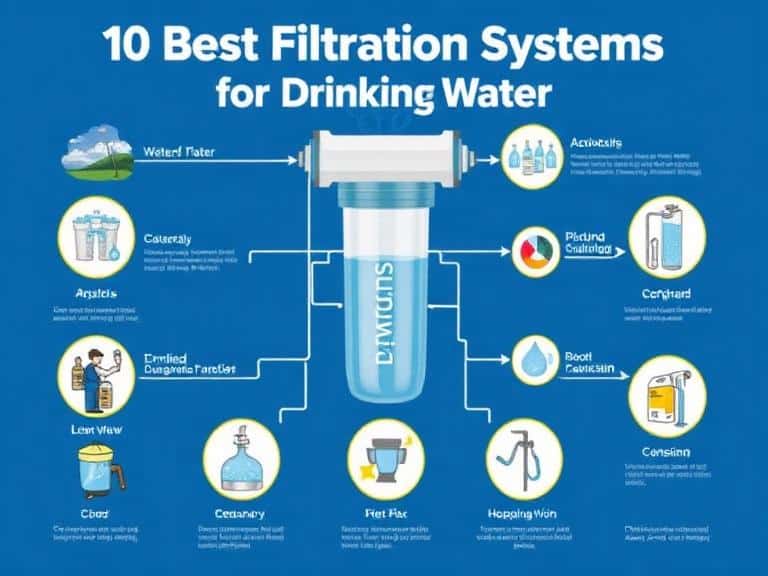
From our experience supplying complete filter production line solutions to global clients over the past 35 years, the efficacy of any water purification system relies entirely on the manufacturing precision of the filter cartridges themselves. A microscopic variance in yarn tension or melt-blown extrusion can drastically alter micron ratings and bypass efficiency. We recommend a multi-stage approach, leveraging primary sediment depth filters alongside advanced adsorption and membrane technologies. In this authoritative technical guide, we evaluate the 10 best filtration for drinking water methods available in 2026, analyzing their mechanisms, limitations, and the manufacturing equipment required to produce them at an industrial scale.
Table of Contents
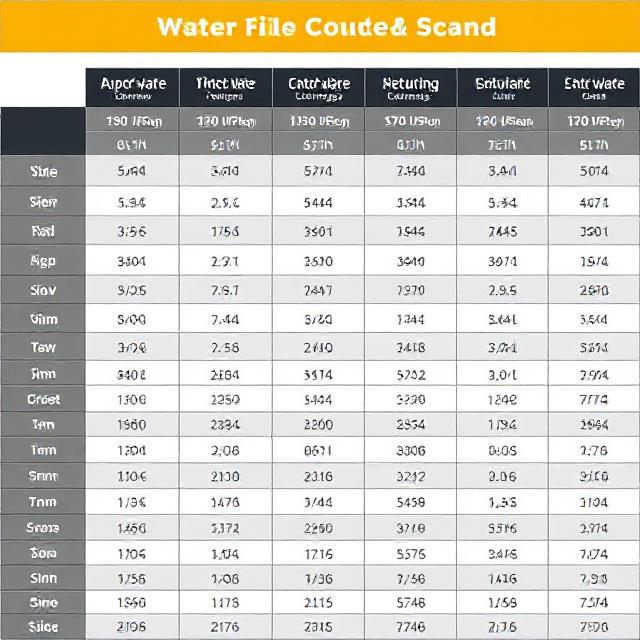
- Summary Table: The 10 Best Filtration for Drinking Water
- 1. Melt-Blown Polypropylene (PP) Sediment Filtration
- 2. String Wound PP Yarn Filtration
- 3. Granular Activated Carbon (UDF) Filtration
- 4. Carbon Block (CTO) Filtration
- 5. Reverse Osmosis (RO) Systems
- 6. Ultrafiltration (UF) Membranes
- 7. Ultraviolet (UV) Purification
- 8. Ceramic Water Filters
- 9. Ion Exchange Water Softeners
- 10. Activated Alumina Filtration
- Expert Buying Guide
- Frequently Asked Questions
- References
Summary Table: The 10 Best Filtration for Drinking Water
| Rank | Filtration Technology | Primary Target Contaminants | Typical Micron Rating | Ideal Position in System |
|---|---|---|---|---|
| 1 | Melt-Blown PP Sediment | Sand, rust, silt, macro-particles | 1 – 50 Microns | Stage 1 (Pre-filtration) |
| 2 | String Wound PP Yarn | Suspended solids, heavy sediment | 0.5 – 100 Microns | Stage 1 (High dirt capacity) |
| 3 | Granular Activated Carbon (UDF) | Chlorine, odors, VOCs | N/A (Adsorption) | Stage 2 (Chemical reduction) |
| 4 | Carbon Block (CTO) | Chloramine, fine particulates, bad taste | 0.5 – 10 Microns | Stage 3 (Pre-RO protection) |
| 5 | Reverse Osmosis (RO) | Heavy metals, dissolved solids (TDS), fluoride | 0.0001 Microns | Stage 4 (Primary purification) |
| 6 | Ultrafiltration (UF) | Bacteria, large viruses, colloids | 0.01 Microns | Standalone or Point-of-Use |
| 7 | Ultraviolet (UV) Purification | Bacteria, viruses, cysts (Biological) | N/A (Radiation) | Final Stage (Disinfection) |
| 8 | Ceramic Filters | Pathogenic bacteria, cysts, rust | 0.2 – 0.5 Microns | Gravity or Countertop systems |
| 9 | Ion Exchange | Calcium, magnesium (Hardness), heavy metals | N/A (Chemical exchange) | Point-of-Entry (Whole house) |
| 10 | Activated Alumina | Fluoride, arsenic, selenium | N/A (Adsorption) | Specialty targeted applications |
1. Melt-Blown Polypropylene (PP) Sediment Filtration
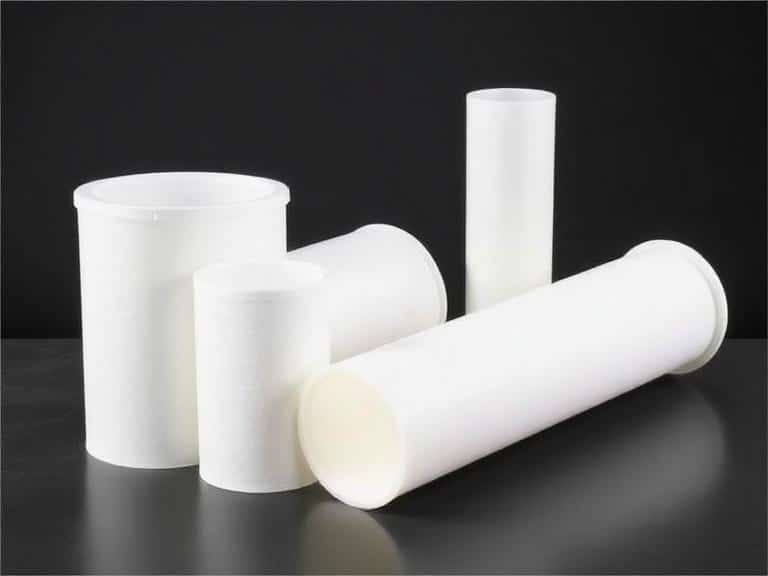
When engineering a comprehensive purification system, the absolute best filtration for drinking water must begin with physical sediment removal. Melt-blown polypropylene (PP) cartridges serve as the vanguard, capturing sand, silt, rust, and scale before they can foul delicate downstream reverse osmosis membranes. These filters operate on depth filtration principles, featuring a gradient density structure where the outer layers capture large particulates, and the dense inner core traps micro-particles. From our experience, the structural integrity of a PP filter depends entirely on the extrusion machinery’s thermal stability and nozzle precision, ensuring a consistent micron rating without media migration under high differential pressure.
2. String Wound PP Yarn Filtration
In regions with highly turbid water sources, string wound cartridges frequently outperform melt-blown variants due to their superior dirt-holding capacity. The diamond-patterned winding creates deep, winding flow paths that trap massive amounts of particulate matter. We recommend this technology as the best filtration for drinking water in rural well-water applications. At HENGTENG Machine, we engineer the PP Yarn Winding Filter Making Machine and the highly versatile HT Single-Head PP Yarn Winding Filter Machine. These smart-control systems allow manufacturers to precisely calibrate yarn tension and winding angles, producing defect-free cartridges that guarantee precise micron retention rates and minimize pressure drop.
3. Granular Activated Carbon (UDF) Filtration
Once physical sediment is removed, chemical purification is required. Granular Activated Carbon (UDF) is unparalleled in its ability to adsorb chlorine, volatile organic compounds (VOCs), and foul odors. The highly porous surface area of activated carbon binds chemical contaminants as water flows through the cartridge bed. To ensure zero bypass and maximum contact time, precise filling and sonic welding of the cartridge casing are mandatory. We supply the industry-leading UDF PP Filter Making Machine, which automates the filling, capping, and welding process, resulting in highly consistent UDF filters that form the chemical-reduction backbone of the best filtration for drinking water systems.
4. Carbon Block (CTO) Filtration
Carbon block filters (CTO – Chlorine, Taste, Odor) take activated carbon technology a step further by compressing fine carbon powder into a solid block using a thermoplastic binder. This extrusion process eliminates water channeling—a potential flaw in loosely packed UDF filters. In the hierarchy of the best filtration for drinking water, CTO filters serve a dual purpose: they provide extreme chemical adsorption while simultaneously acting as a sub-micron mechanical filter (often rated at 0.5 to 5 microns) to capture any carbon fines before the water enters an RO membrane.
5. Reverse Osmosis (RO) Systems
Reverse Osmosis represents the pinnacle of residential and commercial water purification. By utilizing high hydrostatic pressure to force water molecules through a semi-permeable membrane with pores sized at 0.0001 microns, RO systems reject up to 99% of total dissolved solids (TDS), heavy metals like lead and arsenic, and harmful isotopes. We recommend RO as the absolute best filtration for drinking water for users dealing with high-salinity municipal supplies or heavy industrial runoff. However, RO membranes are highly susceptible to chlorine degradation and particulate fouling, which is why they must be preceded by the high-quality PP and UDF cartridges produced by HENGTENG manufacturing equipment.
6. Ultrafiltration (UF) Membranes
For applications where removing beneficial minerals is undesirable, Ultrafiltration (UF) is an excellent alternative to RO. With a pore size of approximately 0.01 microns, hollow fiber UF membranes act as an absolute barrier to bacteria, cysts (like Giardia and Cryptosporidium), and large molecular weight organic compounds. It operates at standard municipal water pressure, negating the need for booster pumps. From our experience, UF is the best filtration for drinking water in areas where microbial contamination is the primary concern, but heavy metal toxicity is low.
7. Ultraviolet (UV) Purification
Ultraviolet purification does not physically remove contaminants from the water; instead, it uses UV-C radiation (typically at a wavelength of 254 nm) to penetrate the cell walls of microorganisms and scramble their DNA, rendering them unable to reproduce or cause infection. UV is frequently employed as the final polishing stage in the best filtration for drinking water setups. It is critical to note that UV systems require water to be visually clear for the light to penetrate effectively; therefore, upstream high-efficiency PP yarn or melt-blown sediment filters are absolutely mandatory for the UV system to function properly.
8. Ceramic Water Filters
Ceramic filtration relies on the micro-porous structure of fired diatomaceous earth or ceramic to trap pathogens, rust, and suspended solids. Many modern ceramic filters are impregnated with silver ions to provide a bacteriostatic effect, preventing algae and bacteria from proliferating on the filter surface. While flow rates are generally lower, ceramic represents one of the best filtration for drinking water methods for off-grid, gravity-fed systems, as the cartridges can be manually cleaned and reused multiple times before replacement is required.
9. Ion Exchange Water Softeners
Hard water, characterized by high concentrations of calcium and magnesium, causes severe scaling in plumbing and industrial machinery. Ion exchange systems utilize a specialized synthetic resin charged with sodium ions. As hard water passes through, the calcium and magnesium ions are captured by the resin, and sodium ions are released. While primarily used for whole-house utility water, softening is a necessary pretreatment step to protect RO membranes from catastrophic mineral scaling, solidifying its place in the ecosystem of the best filtration for drinking water.
10. Activated Alumina Filtration
When targeting specific, highly toxic contaminants such as fluoride and arsenic, standard activated carbon is ineffective. Activated alumina, a highly porous form of aluminum oxide, provides targeted adsorption for these specific ions. The efficacy of activated alumina is highly pH-dependent (optimal below pH 6.5). We recommend deploying activated alumina cartridges in localized regions suffering from severe natural or industrial arsenic and fluoride groundwater contamination, making it a highly specialized, yet vital, component of the best filtration for drinking water.
Expert Buying Guide
From our experience engineering fluid dynamic equipment and filter manufacturing lines, determining the best filtration for drinking water for your specific application requires systematic analysis. We recommend the following protocol:
- Analyze the Source Water: Obtain a comprehensive laboratory water test to identify your specific contaminant load (TDS, heavy metals, VOCs, biologicals). You cannot select the correct media without knowing the exact chemical makeup of the input water.
- Implement Multi-Stage Pre-Treatment: Do not rely on a single membrane. Protect expensive RO or UF elements with high-quality sediment filtration. Utilizing cartridges produced by precision equipment, such as our PP Yarn Winding Filter Making Machine, ensures that your downstream membranes achieve their maximum theoretical lifespan.
- Verify Flow Rates and Pressure Drop: Different filtration media induce different levels of flow restriction. Ensure your system pump can overcome the differential pressure across densely packed carbon blocks and tightly wound yarn filters.
- Check Manufacturing Certifications: The best filtration for drinking water components must be manufactured in ISO-certified facilities using FDA or NSF-compliant raw materials to prevent secondary contamination from toxic binders or lubricants.
Frequently Asked Questions
What is the difference between melt-blown PP and string wound PP filters?
Melt-blown filters are manufactured by extruding heated polypropylene fibers onto a spinning core, creating a dense, highly efficient depth filter ideal for fine particulates. String wound filters, created using machines like the HT Single-Head PP Yarn Winding Filter Machine, interlock spun yarn to create a honeycomb structure. String wound filters generally offer a higher dirt-holding capacity for heavily contaminated water, while melt-blown filters provide a more precise absolute micron rating.
Is Reverse Osmosis the best filtration for drinking water in every scenario?
Not necessarily. While RO provides the highest level of purification by removing nearly all dissolved solids, it also strips water of beneficial minerals and produces wastewater (brine) during the process. If your water source is free of heavy metals and high salinity, an Ultrafiltration (UF) system combined with a high-quality UDF carbon cartridge may be a more efficient and environmentally friendly choice.
How does manufacturing equipment impact filter quality?
The performance of a filter is directly tied to manufacturing precision. For example, if a UDF PP Filter Making Machine does not compact the carbon granules correctly or fails to ultrasonically weld the end caps perfectly, water will channel through the cartridge without contacting the carbon, rendering the filter useless. HENGTENG Machine’s high-efficiency, smart control systems eliminate these structural defects, ensuring every cartridge performs to specification.