
In modern water filtration systems, pleated sediment filters are gaining popularity for their efficiency, durability, and superior filtration capacity. But are pleated sediment filters better than traditional spun or string-wound filters? This comprehensive guide dives deep into their benefits, materials, performance, and ideal use cases — with insights from HENGTENG Machine, a world leader in filter cartridge production equipment since 1989.
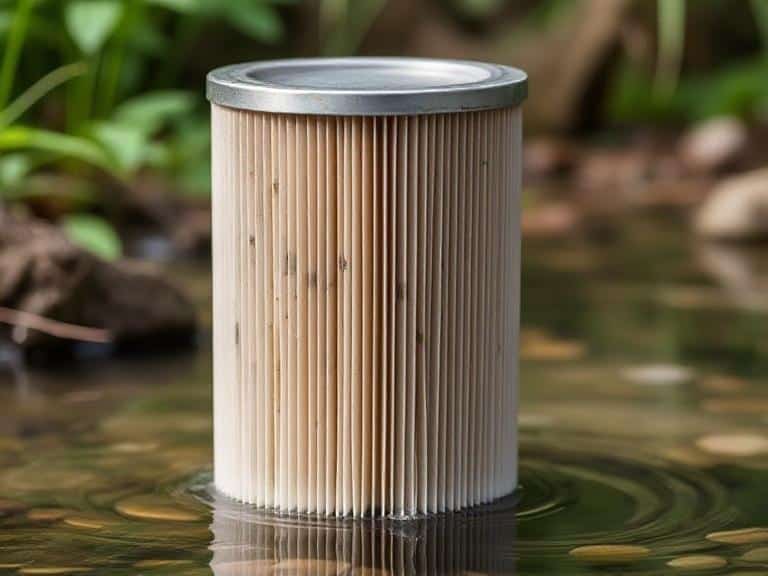
Table of Contents
- Introduction to Sediment Filters
- What Are Pleated Sediment Filters?
- Key Benefits of Pleated Sediment Filters
- Pleated vs. Other Sediment Filters
- Where to Use Pleated Sediment Filters
- Company Spotlight: HENGTENG Machine
- Summary Comparison Table
- FAQs About Pleated Sediment Filters
- References
Introduction to Sediment Filters
Water filtration systems rely heavily on sediment filters to remove suspended particles such as sand, rust, dirt, and other impurities. The goal is to protect downstream filters and ensure clean, safe water for homes, industries, and commercial facilities. Among various filter types, pleated sediment filters have emerged as a preferred choice due to their high dirt-holding capacity and reusability.
The Evolution of Filtration Technology
Traditional sediment filters, such as spun polypropylene and string-wound cartridges, have served the market for decades. However, technological advancements and material science have paved the way for more efficient solutions like pleated sediment filters, which combine durability with superior surface filtration.
What Are Pleated Sediment Filters?
Pleated sediment filters are made by folding filtration media—typically polyester, polypropylene, or cellulose—into pleats to increase surface area. This design allows for higher dirt retention, greater water flow, and longer service life compared to non-pleated filters.
How They Work
As water passes through the pleated filter, sediments are trapped on the surface while clean water flows through. The pleated design maximizes contact between the water and filter media, enhancing performance and efficiency.
Materials Used
- Polypropylene (PP)
- Polyester
- Cellulose or synthetic fiber blends
Key Benefits of Pleated Sediment Filters
The main reason many users prefer pleated sediment filters lies in their superior performance metrics. Below are the major benefits that make them stand out in the filtration industry.
1. Larger Filtration Surface Area
Each pleat increases surface area, allowing more dirt to be captured without restricting flow. This efficiency means fewer filter replacements and lower maintenance costs.
2. Reusability and Longevity
Unlike depth filters, pleated sediment filters can often be cleaned and reused multiple times before needing replacement, making them environmentally and economically beneficial.
3. Consistent Flow Rate
The structured pleats maintain their form even under pressure, ensuring a steady water flow throughout the filter’s lifespan.
4. Improved Dirt Holding Capacity
The increased media surface can hold more sediment, reducing system downtime and improving filter lifespan.
5. High Filtration Efficiency
They offer precise micron ratings, often from 1 to 100 microns, ensuring efficient removal of contaminants based on your system’s needs.
“When properly maintained, pleated sediment filters can last up to five times longer than standard depth filters.”
Pleated vs. Other Sediment Filters
To evaluate whether pleated sediment filters are better, it’s important to compare them to other common filtration options such as spun, melt-blown, and string-wound cartridges.
| Feature | Pleated Sediment Filters | Spun or Melt-Blown Filters | String-Wound Filters |
|---|---|---|---|
| Filtration Type | Surface Filtration | Depth Filtration | Depth Filtration |
| Reusability | Washable & Reusable | Single Use | Single Use |
| Flow Rate | High | Medium | Medium |
| Cost-Effectiveness | High (due to longer lifespan) | Low | Moderate |
| Maintenance | Easy to clean | Replacement required | Replacement required |
| Micron Ratings | 1–100 µm (flexible) | 1–50 µm | 1–25 µm |
Where to Use Pleated Sediment Filters
Pleated sediment filters are ideal for a wide range of applications, including:
- Residential water purification systems
- Industrial process filtration
- Food and beverage manufacturing
- Pharmaceutical and laboratory water systems
- Irrigation and agricultural water treatment
Why Industries Prefer Pleated Filters
Industrial systems often deal with high volumes of water and fine particulate matter. The large surface area and long service life of pleated sediment filters reduce downtime and replacement costs, ensuring smooth, continuous operations.
Company Spotlight: HENGTENG Machine
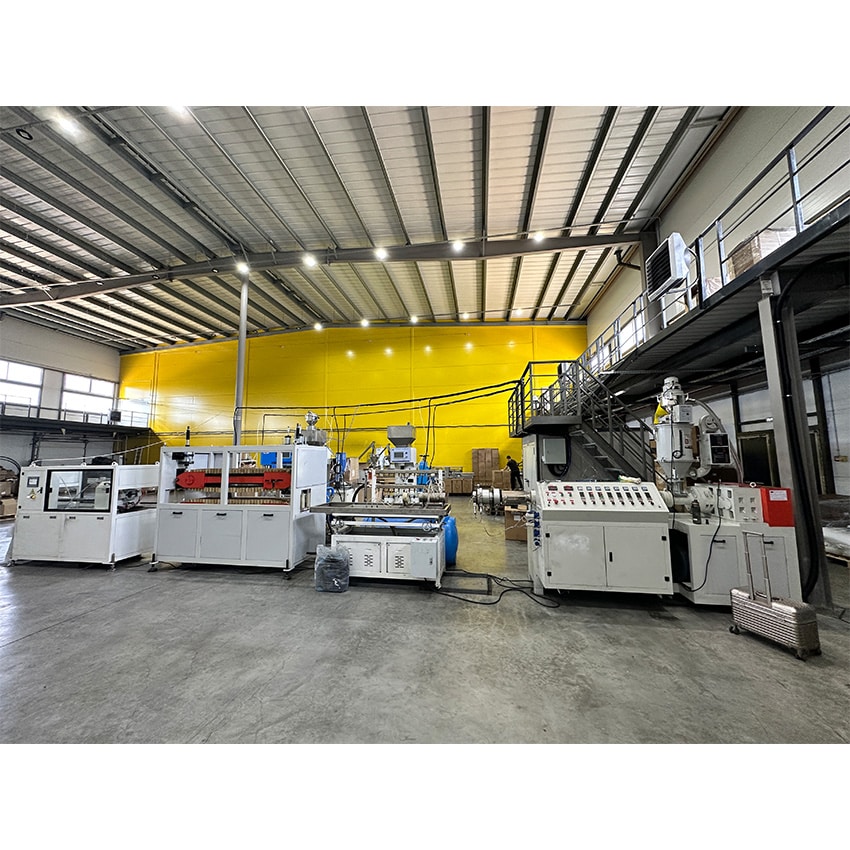
HENGTENG Machine has been a pioneer in the global filter cartridge manufacturing industry for over 35 years. As one of China’s earliest professional manufacturers of filter cartridge production equipment, HENGTENG offers complete filter production line solutions that meet global standards.
About HENGTENG Machine
- Founded: 1989
- Specialization: Filter cartridge production equipment
- Certifications: ISO Certified
- Global Reach: 60+ countries
Key Products:
- PP Filter Making Machine
- CTO Carbon Block Filter Making Machine
- PP Yarn Winding Filter Making Machine
With a focus on high-efficiency, smart control, and reliability, HENGTENG helps manufacturers produce superior filter cartridges — including those used in pleated sediment filters. Their precision-engineered equipment ensures consistency, durability, and global competitiveness in filtration technology.
“HENGTENG Machine doesn’t just build machines — it builds trust through technology, innovation, and global service excellence.”
Summary Table: Advantages of Pleated Sediment Filters
| Feature | Advantage |
|---|---|
| Filtration Surface Area | Up to 5x larger than standard filters |
| Maintenance | Washable, reusable, and easy to clean |
| Performance | Stable flow rate under high pressure |
| Material Durability | Resistant to chemicals and corrosion |
| Cost Savings | Reduced replacement frequency and maintenance cost |
Frequently Asked Questions (FAQs)
1. Are pleated sediment filters better than standard filters?
Yes, pleated sediment filters generally offer better filtration performance, longer lifespan, and reusability compared to traditional spun or string-wound filters.
2. Can pleated filters be cleaned?
Absolutely. Most pleated filters can be rinsed or gently washed to extend their usability. Always check manufacturer recommendations.
3. How often should I replace a pleated sediment filter?
Depending on water quality and usage, pleated filters can last between 6 to 12 months — significantly longer than disposable filters.
4. Are pleated filters suitable for well water?
Yes, pleated sediment filters effectively remove larger particulates and sediments commonly found in well water systems.
5. How does HENGTENG Machine support filter manufacturers?
HENGTENG provides advanced filter cartridge production equipment that allows global manufacturers to produce efficient, high-quality pleated filters with smart control systems and ISO-certified precision.