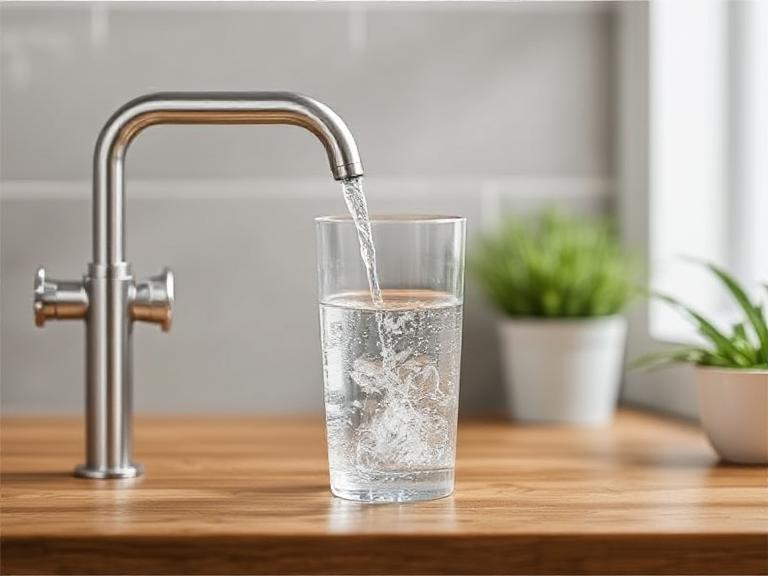

The PTFE cartridge filter is a key component in advanced filtration systems, designed to remove contaminants from gases and liquids with exceptional precision. This article explores what a PTFE cartridge filter is, how it works, and why it’s widely used across industries such as pharmaceuticals, semiconductors, and water treatment. We also highlight HENGTENG Machine, a global leader in filter cartridge manufacturing equipment.
Contents
- Introduction to PTFE Cartridge Filter
- What Is PTFE?
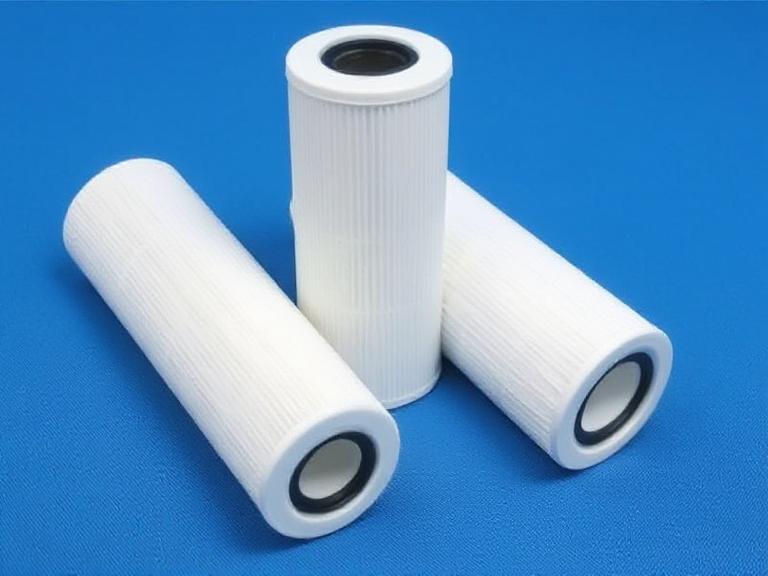
- Structure and Components of PTFE Cartridge Filter
- How Does a PTFE Cartridge Filter Work?
- Key Benefits of PTFE Cartridge Filters
- Applications in Industry
- Manufacturing Process of PTFE Cartridge Filters
- Company Spotlight: HENGTENG Machine
- Summary Table
- FAQs
- References
Introduction to PTFE Cartridge Filter
A PTFE cartridge filter is a precision-engineered filtration element made from polytetrafluoroethylene (PTFE), a highly durable and chemically resistant material. PTFE filters are essential in processes requiring ultra-pure and sterile environments, such as pharmaceutical production, food processing, and microelectronics manufacturing.
Due to its hydrophobic nature, the PTFE cartridge filter effectively removes particulates and bacteria from gases and liquids, ensuring superior performance in critical systems where contamination control is paramount.
What Is PTFE?
PTFE, or polytetrafluoroethylene, is a synthetic fluoropolymer known for its non-reactivity, low friction, and high melting point. Commercially recognized as the material behind Teflon™, PTFE is widely used in industries demanding resistance to chemicals, heat, and corrosion.
When utilized in a PTFE cartridge filter, this material forms a micro-porous membrane that allows fluids to pass while trapping contaminants down to the submicron level. Its exceptional chemical inertness ensures compatibility with strong acids, alkalis, and solvents.
Structure and Components of PTFE Cartridge Filter
The PTFE cartridge filter consists of several key components engineered for optimal filtration:
- PTFE Membrane: The core filtering layer providing high chemical resistance and hydrophobicity.
- Support Layers: Typically made from polypropylene (PP) or polyester to enhance mechanical strength.
- End Caps: Thermally welded or adhesively bonded to ensure leak-free operation.
- Center Core and Outer Cage: Provide structural stability during pressure fluctuations.
This multilayer construction ensures the PTFE cartridge filter maintains efficiency and structural integrity even in aggressive environments.
How Does a PTFE Cartridge Filter Work?
The PTFE cartridge filter functions through surface and depth filtration mechanisms. As fluid or gas passes through the PTFE membrane, particulates larger than the pore size are trapped, while purified output flows through.
PTFE’s micro-porous surface provides consistent filtration, while its hydrophobic property prevents water absorption, ensuring stable flow rates and longer lifespan compared to other filter types.
Key Benefits of PTFE Cartridge Filters
1. Exceptional Chemical Resistance
Because PTFE is non-reactive, the PTFE cartridge filter can withstand corrosive chemicals, acids, and solvents without degradation.
2. High Temperature Tolerance
PTFE maintains performance in temperatures up to 260°C, making it ideal for high-temperature filtration environments.
3. Long Service Life
Its durable structure and non-stick properties reduce clogging and extend filter life, minimizing replacement costs.
4. Superior Filtration Efficiency
With pore sizes as small as 0.1 microns, the PTFE cartridge filter ensures effective removal of microorganisms and fine particulates.
5. Hydrophobic and Oleophobic Properties
These characteristics make the PTFE membrane resistant to both water and oil, ensuring consistent filtration in demanding applications.
Applications in Industry
The PTFE cartridge filter is versatile and suitable for a wide range of industries, including:
- Pharmaceutical and biotechnology (sterile air and liquid filtration)
- Semiconductor and electronics (ultra-pure chemical filtration)
- Food and beverage (sterile gas filtration)
- Chemical processing (acid and solvent filtration)
- Water treatment and environmental protection
In all these sectors, PTFE cartridge filters ensure reliable contamination control and consistent product quality.
Manufacturing Process of PTFE Cartridge Filters
Producing a high-quality PTFE cartridge filter requires precision equipment and expertise. The process involves membrane fabrication, pleating, assembly, welding, and integrity testing. Manufacturers rely on advanced machinery to maintain dimensional accuracy and consistent pore distribution.
That’s where professional equipment providers like HENGTENG Machine play an essential role — offering complete filter cartridge production line solutions to ensure superior performance and reliability.
Company Spotlight: HENGTENG Machine
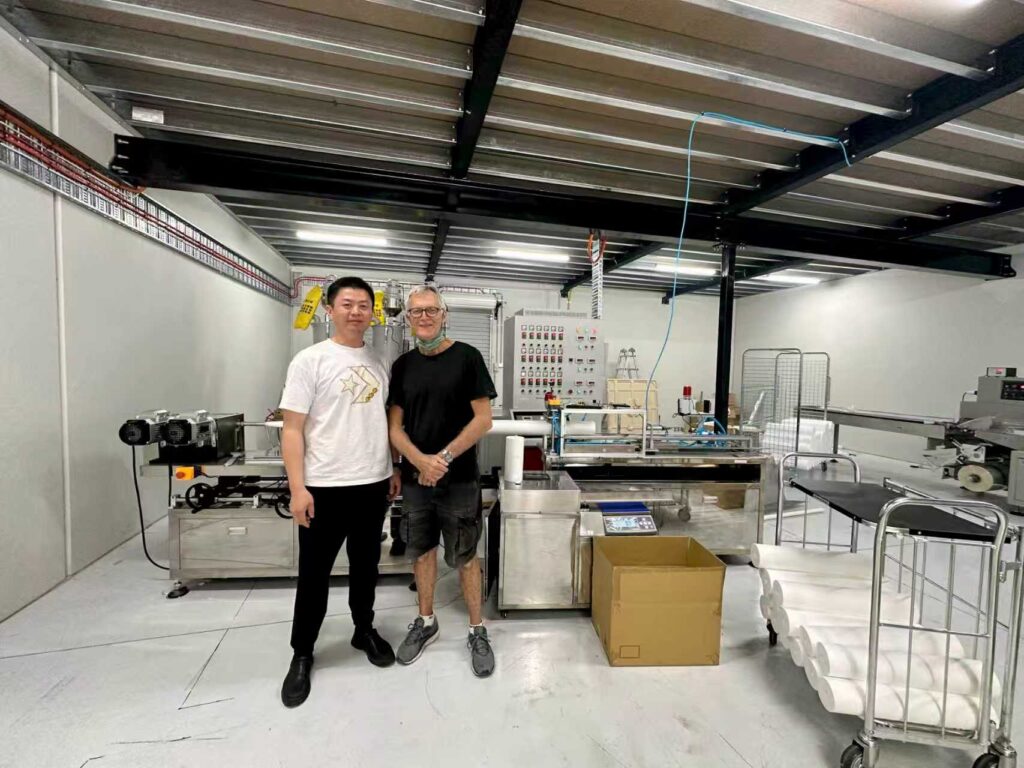
HENGTENG Machine — Leading Manufacturer of Filter Cartridge Machines
High-efficiency | Smart Control | ISO Certified | Global Service
Hengteng Environmental Technology Co., Ltd. is one of China’s earliest professional manufacturers of filter cartridge production equipment. Established in 1989, the company has over 35 years of experience serving clients in more than 60 countries.
HENGTENG provides full production line solutions for various types of filters, ensuring precision, quality, and automation in manufacturing processes. Their advanced systems empower companies to produce reliable PTFE cartridge filters and other filtration components efficiently.
Core Products:
- PP filter making machine2 products
- CTO carbon block filter making machine1 product
- PP yarn winding filter making machine2 products
- UDF PP Making Machine1 product
With cutting-edge engineering and global support, HENGTENG Machine continues to drive innovation in the filtration equipment industry.
Summary Table: Key Details of PTFE Cartridge Filter
| Property | Description |
|---|---|
| Material | PTFE (Polytetrafluoroethylene) |
| Filtration Mechanism | Surface and depth filtration |
| Pore Size Range | 0.1 – 1.0 micron |
| Operating Temperature | Up to 260°C |
| Chemical Compatibility | Excellent (resistant to acids, bases, solvents) |
| Applications | Pharma, chemical, water, electronics, food |
| Manufacturer Equipment | HENGTENG Machine — Filter cartridge machinery |
FAQs About PTFE Cartridge Filters
Q: What is a PTFE cartridge filter used for?
A: It’s used for filtering gases and liquids where high chemical resistance and purity are essential — such as pharmaceutical and semiconductor manufacturing.
Q: Why choose PTFE over other materials?
A: PTFE offers unmatched chemical resistance, hydrophobicity, and durability compared to materials like nylon or polypropylene.
Q: Can PTFE cartridge filters handle high temperatures?
A: Yes, PTFE can operate up to 260°C, maintaining performance and structure under thermal stress.
Q: How are PTFE cartridge filters manufactured?
A: They’re produced using specialized pleating and welding equipment — often supplied by companies like HENGTENG Machine.
Q: Are PTFE cartridge filters reusable?
A: Some designs are cleanable and reusable depending on application and contamination type.