
Understanding filtration cartridge sizes is essential for choosing the right filtration solution for water treatment, industrial processing, pharmaceuticals, chemical manufacturing, food & beverage production, and environmental protection. Proper cartridge dimensions ensure optimal flow rate, pressure resistance, contaminant removal, and system compatibility.
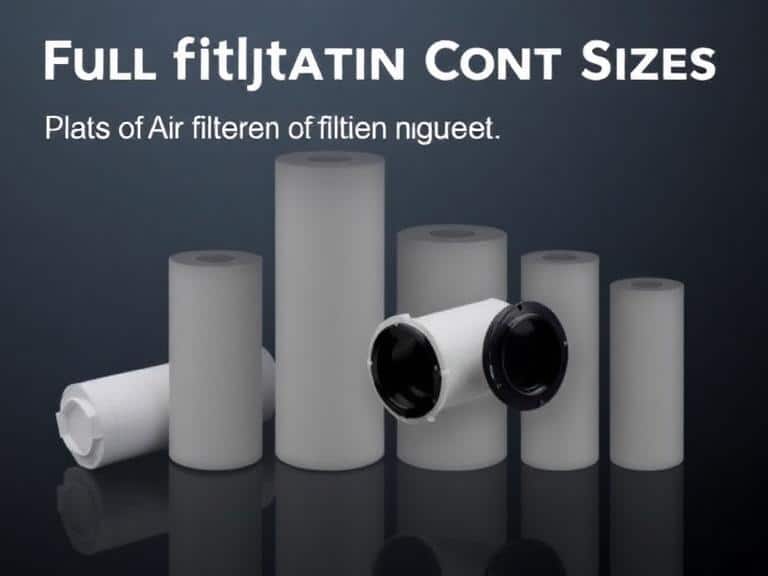
In this complete guide, we break down all major filtration cartridge sizes, their applications, material options, industry standards, and how to choose the correct size for your filtration system.
Table of Contents
- What Are Filtration Cartridge Sizes?
- Standard Filter Cartridge Lengths
- Filter Cartridge Diameters Explained
- Micron Ratings for Filtration Cartridges
- Common Filtration Cartridge Types & Sizes
- Filtration Cartridge Sizes Summary Table
- How to Choose the Right Filtration Cartridge Size
- Company Spotlight: HENGTENG Machine
- FAQs
- References
What Are Filtration Cartridge Sizes?
Filtration cartridge sizes refer to the **length, diameter, and micron rating** of a cartridge filter. These dimensions determine:
- Flow capacity
- Pressure drop
- Contaminant-holding capacity
- System compatibility
- Efficiency in trapping sediments and particles
In industrial applications, using the correct filtration cartridge sizes is crucial for maintaining operational efficiency, protecting equipment, and ensuring consistent product quality.
Standard Filter Cartridge Lengths
Filter cartridges come in several standardized lengths to fit common industrial housings. Below are the most widely used sizes:
Household and Light Industrial Sizes
- 5 inches
- 10 inches (most common)
- 20 inches
Commercial & Large Industrial Sizes
- 20-inch Big Blue
- 30 inches
- 40 inches
- 50 inches
Longer cartridges provide **higher flow rates, less frequent replacement, and greater contaminant-holding capacity**.
Filter Cartridge Diameters Explained
Filtration cartridges typically come in the following diameters:
1. Standard Diameter (Slim Line)
- 2.5-inch diameter
- Used for residential and light industrial filtration
2. Big Diameter (Big Blue)
- 4.5-inch diameter
- Allows higher flow and sediment capacity
3. Jumbo Industrial Cartridges
- 6–8 inches
- Used for high-volume filtration systems
Micron Ratings for Filtration Cartridges
The micron rating determines the smallest particle size the filter can remove. Common ratings include:
- 1 micron – Fine filtration (bacteria, suspended solids)
- 5 micron – Standard sediment removal
- 10 micron – Pre-filter for industrial systems
- 20–50 micron – Coarse filtration
- 100+ micron – Large particle removal
Selection depends on the application—for example, a carbon block filter may use a 1–5 micron rating for chlorine and VOC removal, while a PP melt-blown filter may use 5–20 microns for sediment removal.
Common Filtration Cartridge Types & Sizes
1. PP Melt-Blown Filters
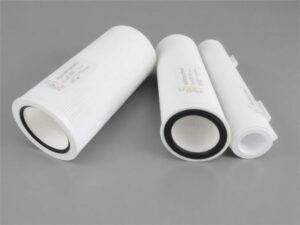
Used for sediment removal in water treatment, food processing, and chemical industries.
- Lengths: 5″, 10″, 20″, 30″, 40″
- Diameters: 2.5″, 4.5″
- Micron Ratings: 1–100 micron
2. Activated Carbon Block Filters (CTO)
Designed to remove chlorine, odors, organic chemicals, and VOCs.
- Lengths: 5″, 10″, 20″
- Diameters: 2.5″, 4.5″
- Micron Ratings: 1–10 micron
3. String Wound Filters
Used in oil, chemical, electronics, and beverage industries.
- Lengths: 10″, 20″, 30″, 40″
- Diameter: 2.5″
- Micron Ratings: 1–200 micron
4. Pleated Filters
- High surface area & long service life
- Available in many custom sizes
5. High-Flow Cartridge Filters
- Lengths: 20″, 40″, 60″
- Diameters: 6–8″
- Flow rates up to 200 gpm
Filtration Cartridge Sizes Summary Table
| Cartridge Type | Common Lengths | Diameters | Micron Rating | Applications |
|---|---|---|---|---|
| PP Melt-Blown | 5″, 10″, 20″, 30″, 40″ | 2.5″, 4.5″ | 1–100 | Water treatment, food processing |
| Carbon Block (CTO) | 5″, 10″, 20″ | 2.5″, 4.5″ | 1–10 | Chlorine & VOC removal |
| String Wound Filters | 10″, 20″, 30″, 40″ | 2.5″ | 1–200 | Chemical, electronics, oil industries |
| Pleated Filters | 10″, 20″, 30″, 40″ | Varies | 0.1–50 | High-precision filtration |
How to Choose the Right Filtration Cartridge Size
1. Check the Filter Housing Requirements
The housing determines the allowable length and diameter.
2. Identify the Contaminants
- Sand → 20–50 microns
- Rust → 5–10 microns
- Bacteria → 1 micron
3. Select the Material Based on Application
- PP for sediment
- CTO for chlorine and odor removal
- String wound for high-temperature applications
4. Consider Flow Rate Requirements
Bigger cartridges = higher flow + lower pressure drop.
Company Spotlight: HENGTENG Machine
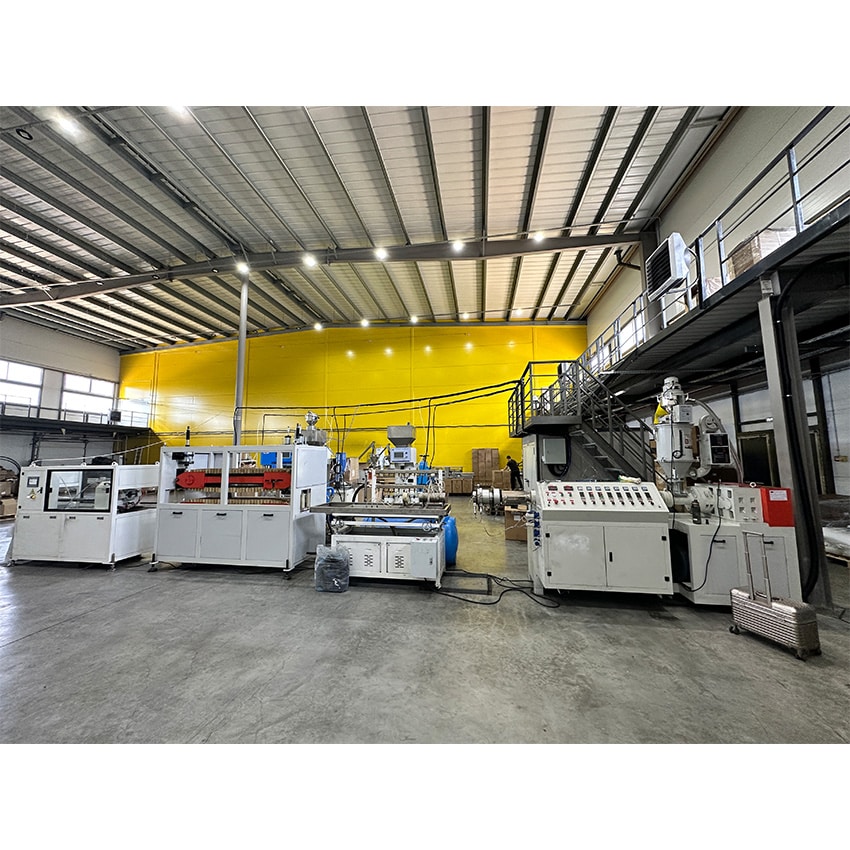
HENGTENG Machine is a global leader in filtration cartridge production equipment, trusted by customers worldwide for over 35 years. As one of China’s earliest specialized manufacturers, Hengteng Environmental Technology Co., Ltd. provides full production line solutions for various filter cartridge types.
Why HENGTENG Machine Stands Out
- Over 35 years of manufacturing experience
- Serving customers in 60+ countries
- Advanced high-efficiency filter cartridge machinery
- Smart control systems for automated production
- ISO-certified quality with global support
HENGTENG Featured Products
- PP filter making machine
- CTO carbon block filter making machine
- PP yarn winding filter making machine
Whether you manufacture melt-blown cartridges, carbon block filters, or string wound cartridges, HENGTENG Machine offers reliable, efficient, and scalable solutions.
FAQs
1. What is the most common filtration cartridge size?
The **10-inch standard (2.5-inch diameter)** is the most widely used worldwide.
2. What is the difference between 2.5-inch and 4.5-inch cartridges?
4.5-inch cartridges provide **higher flow and sediment capacity**, suitable for heavy-duty use.
3. How often should filtration cartridges be replaced?
Typically every 3–6 months, depending on water quality and flow requirements.
4. What micron rating is best for household sediment removal?
5 microns is ideal for general sediment; 1 micron for fine filtration.
5. Can industries customize filter cartridge sizes?
Yes, custom diameters, lengths, and materials are common in industrial applications.