
As demand grows for high-quality polypropylene (PP) filler masterbatch and melt-blown filtration materials, manufacturers are searching for the most efficient and stable pp filler making machines to boost productivity and reduce operational costs. The market offers numerous systems, but only a select few truly meet today’s industrial standards for automation, energy efficiency, and consistent output.
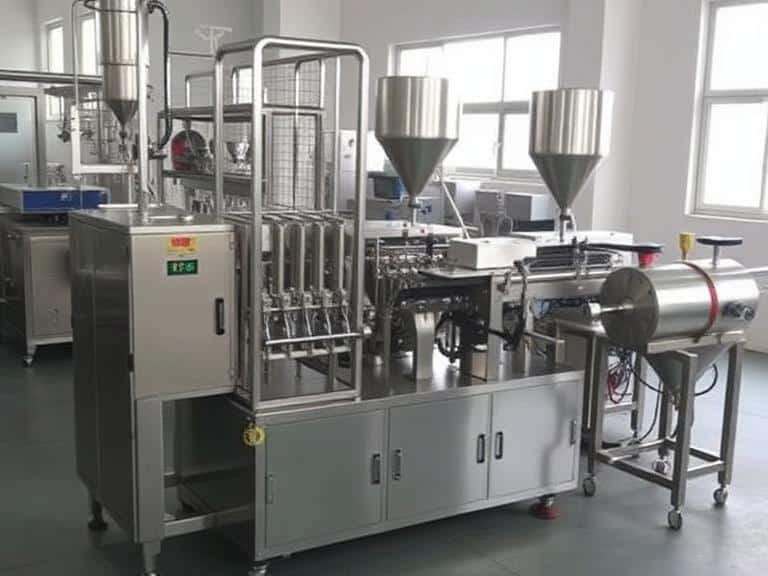
This comprehensive guide highlights the Top 6 PP Filler Making Machines on the market, featuring technical comparisons, performance evaluations, and a full spotlight on the advanced 3E3M PP Melt Blown Filter Making Machine from HENGTENG Machine.
Table of Contents
- Overview of PP Filler Making Machines
- Top 6 PP Filler Making Machines
- Product Spotlight: 3E3M PP Melt Blown Filter Making Machine
- Comparison Table
- Benefits of Using Modern PP Filler Machines
- How to Choose the Best PP Filler Making Machine
- Frequently Asked Questions (FAQs)
- References
Overview of PP Filler Making Machines
PP filler making machines are specialized industrial systems used for producing polypropylene filler masterbatch or PP melt blown filters. These machines combine extrusion, heating, cooling, stretching, and precision control technologies to produce consistent materials used across industries such as packaging, water filtration, medical applications, and automotive manufacturing.
Today’s best pp filler making machines feature:
- Automated PLC systems
- High-speed and stable output
- Precision thermal control
- Energy-efficient extruders
- Low maintenance requirements
Below is a ranking of the top 6 machines for 2025.
Top 6 PP Filler Making Machines
1. 3E3M PP Melt Blown Filter Making Machine (HENGTENG Machine)
The 3E3M system is a full-automation solution engineered for high-output production of PP melt blown filter cartridges. Its advanced control intelligence, frequency-conversion speed system, and stable precision extrusion make it one of the best machines in its category.
2. Twin-Screw PP Filler Masterbatch Extruder Line
A high-performance twin-screw extruder widely used in calcium carbonate (CaCO₃) filler masterbatch. Known for mixing efficiency and excellent dispersion quality.
3. Fully Automatic PP Filler Granule Making Machine
Designed for large-volume manufacturers requiring stable granule output. Its water-ring cutting system provides uniform particle size.
4. PP Melt Blown Nonwoven Fabric Production Line
A popular choice for producing melt-blown fibers used in filtration, masks, and HVAC filters. Offers high precision and excellent fiber uniformity.
5. High-Speed Filler Masterbatch Compounding Line
Features an advanced degassing system and energy-saving extruder technology. Suitable for PP, PE, and bio-based filler formulations.
6. Compact PP Filler Mini Production Line
Ideal for small factories, R&D labs, and specialty production needs. Provides flexibility at a lower cost while maintaining stable output.
Product Spotlight: 3E3M PP Melt Blown Filter Making Machine (HENGTENG Machine)
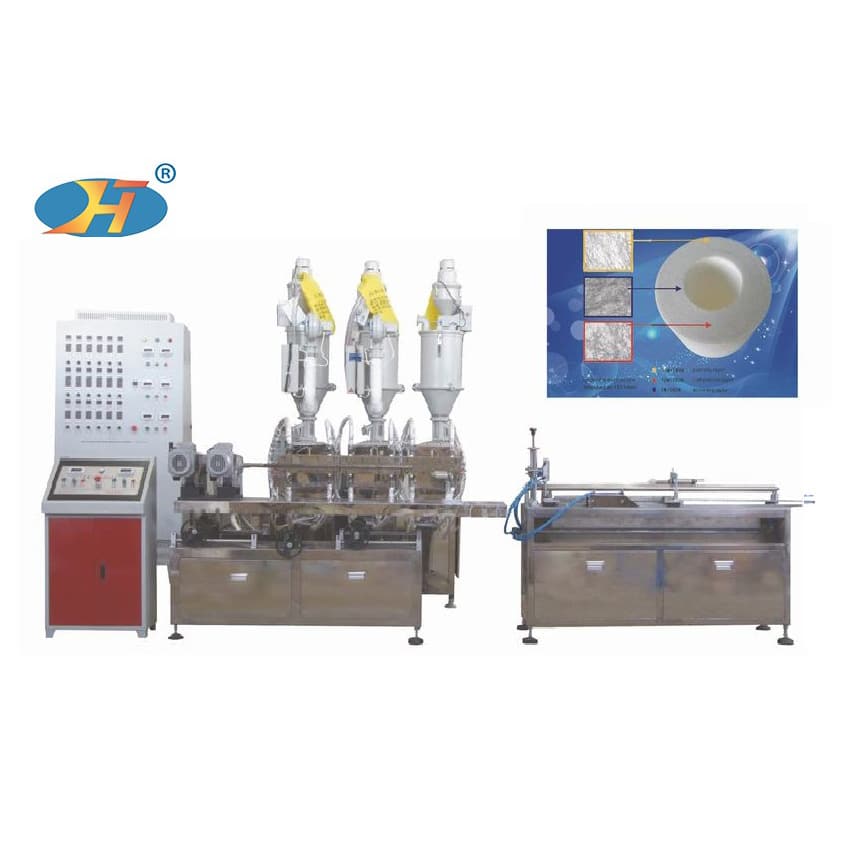
The 3E3M PP Melt Blown Filter Making Machine from HENGTENG Machine represents one of the most advanced solutions in the filtration manufacturing industry. Combining durability, automation, and precision, it supports 24-hour continuous production with excellent stability.
Key Features
- Fully Automatic Control System: PLC + touch-screen interface ensures stable and easy operation.
- High Output & Efficiency: Advanced extrusion system produces uniform and consistent fiber distribution.
- Frequency Conversion Speed Control: Allows adjustable production speeds with reduced energy consumption.
- Long Service Life: Built with stainless steel and precision-engineered components.
- Stable Filtration Accuracy: Produces filters with tight tolerance and strong mechanical strength.
Technical Specifications
| Item | Specification |
|---|---|
| Model | 3E3M PP Melt Blown Filter Machine |
| Production Speed | 0.6 – 0.8 m/min |
| Rated Power | 34 kW/set |
| Control System | Fully Automatic PLC + Frequency Converter |
| Filter Length Range | 10”– 40” (customizable) |
| Material Used | Polypropylene (PP) |
| Operation Mode | Continuous 24-hour operation |
| Cooling Method | Air cooling or water cooling |
Comparison Table: Top 6 PP Filler Making Machines
| Machine | Automation | Output Quality | Energy Efficiency | Best For |
|---|---|---|---|---|
| 3E3M PP Melt Blown Filter Machine | Fully Automatic | ★★★★★ | ★★★★★ | Melt blown filters |
| Twin-Screw Masterbatch Line | Semi/Automatic | ★★★★★ | ★★★★☆ | Filler masterbatch |
| PP Filler Granule Machine | Automatic | ★★★★☆ | ★★★★☆ | High-volume granules |
| Melt Blown Nonwoven Line | Automatic | ★★★★★ | ★★★★☆ | Filter fabrics |
| High-Speed Compounding Line | Automatic | ★★★★☆ | ★★★★★ | Large industrial plants |
| Compact PP Filler Line | Semi-Automatic | ★★★☆☆ | ★★★☆☆ | Small manufacturers |
Benefits of Modern PP Filler Making Machines
Modern pp filler making machines offer numerous advantages, including:
- Higher productivity with fewer operators necessary
- Improved product consistency and filtration accuracy
- Lower energy consumption
- Reduced maintenance costs
- Enhanced safety features and real-time monitoring
How to Choose the Best PP Filler Making Machine
1. Define Your Output Requirements
Determine whether you need melt-blown filters, filler masterbatch, or PP granules.
2. Evaluate Automation Needs
Modern automation = fewer errors, less labor, and higher consistency.
3. Consider Energy Efficiency
Energy-saving technology reduces long-term production cost.
4. Check Material Compatibility
If producing specialty materials, ensure the machine supports temperature-sensitive PP grades.
5. Assess Supplier Reputation
Choose manufacturers known for service, spare parts, and long-term reliability.
Frequently Asked Questions (FAQs)
1. What is the purpose of PP filler making machines?
They produce polypropylene-based fillers, melt-blown fibers, and filter cartridges used across industries.
2. Are fully automatic machines better?
Yes — fully automated systems offer better consistency, faster output, and lower labor costs.
3. What industries use PP filler machines?
Filtration, packaging, medical manufacturing, automotive, and industrial textiles.
4. How long does a PP filler machine last?
High-quality systems often operate reliably for 10+ years with proper maintenance.
5. What materials can be used?
Mainly polypropylene (PP), with additives depending on the final product.