
Clean, fresh water is essential for every household and business. Whether you use a refrigerator water filter, under-sink filtration system, reverse osmosis (RO) system, whole-house system, or countertop filtration unit, the efficiency of your water depends heavily on one critical component: the water filter cartridge. But how do I know if my water cartridge is bad? This is one of the most common questions homeowners ask, especially when water quality suddenly changes.
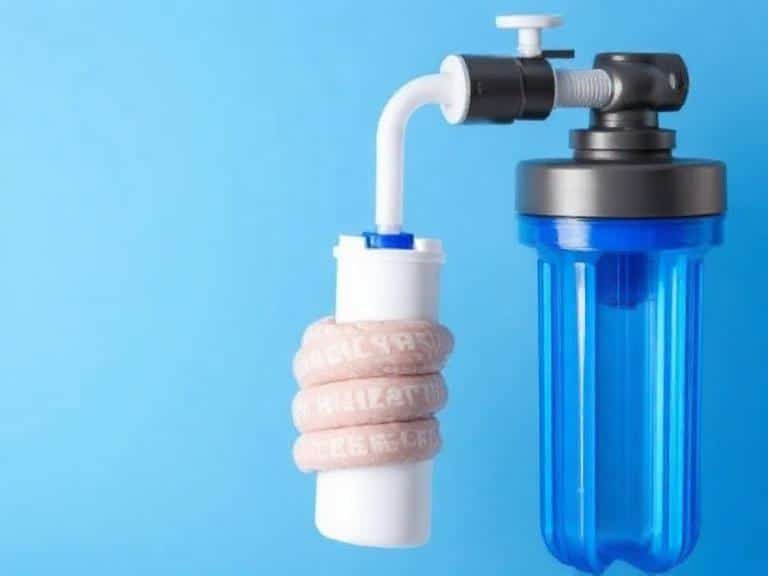
This comprehensive guide explains the most telling signs of a bad filter cartridge, how to test it, what causes early failure, and when replacement becomes necessary. We also highlight professional equipment trusted by manufacturers worldwide—including advanced filter cartridge production machines from HENGTENG, a global leader since 1989.
Table of Contents
- Why Water Cartridge Condition Matters
- 10 Clear Signs Your Water Cartridge Is Bad
- Common Causes of Premature Filter Failure
- How to Test if Your Water Cartridge Is Bad
- How Often Should You Replace a Water Cartridge?
- How to Extend the Lifespan of Your Cartridge
- Company & Product Spotlight: HENGTENG Filter Cartridge Machines
- Summary Table: Signs of a Bad Water Cartridge
- FAQs
- References
Why Water Cartridge Condition Matters
Your filter cartridge is responsible for removing contaminants such as chlorine, sediments, heavy metals, microplastics, bacteria, rust, and volatile organic compounds. When the cartridge becomes clogged or exhausted, it can no longer provide clean water. Asking yourself “How do I know if my water cartridge is bad?” is essential to safeguarding your health, protecting your appliances, and ensuring taste and odor quality.
Using a bad filter cartridge may lead to:
- Unpleasant taste or odors
- Reduced water flow and pressure
- Increased contaminant exposure
- Damage to filtration system components
- Reduced lifespan of connected appliances (ice makers, RO membranes, heaters)
10 Clear Signs Your Water Cartridge Is Bad
Below are the most reliable indicators that your water filter cartridge needs replacement. These signs apply to carbon block filters, PP sediment filters, refrigerator filters, RO prefilters, whole-house cartridges, and more.
1. Water tastes strange or unpleasant
If water suddenly tastes metallic, earthy, or bitter, your filter is likely saturated with contaminants. This is one of the biggest clues when asking “How do I know if my water cartridge is bad?”
2. Unusual or foul odor
Rotten, chlorine-like, or chemical smells often indicate your filter is no longer trapping contaminants effectively.
3. Visible particles or cloudiness
If sediments, rust, or floating particles are visible, your filter is clogged, cracked, or exhausted.
4. Slow water flow
Reduced pressure is often caused by a filter cartridge overloaded with dirt, sand, or debris.
5. Filter is past its recommended lifespan
Most cartridges last 2–6 months, depending on system type and water conditions.
6. Slimy or moldy filter housing
Microbial growth means filtration has been compromised.
7. Strange noises from your filtration system
Bubbles, hissing, or sputtering indicate the filter isn’t functioning properly.
8. Water discoloration
Yellow, brown, or cloudy water often points to a failing sediment or carbon cartridge.
9. Appliances clog or malfunction
Bad cartridges can cause ice makers, faucets, RO membranes, and coffee machines to perform poorly.
10. Higher TDS or poor water-quality readings
If your TDS meter, chlorine test strip, or water test kit shows rising contaminant levels, the cartridge has likely failed.
Common Causes of Premature Filter Failure
Even high-quality cartridges can fail early due to certain conditions. Understanding the causes helps prevent unnecessary replacements.
- Hard water minerals: Calcium and magnesium clog cartridges faster.
- Sediment-heavy water: Sand, rust, and silt overload PP filters.
- Bacteria in well water: Can cause slime buildup.
- Improper installation: Causes leaks or reduced performance.
- Incorrect cartridge type: Not all systems use universal filters.
- Excessive water use: Large households consume filters faster.
How to Test If Your Water Cartridge Is Bad
If you’re still unsure and asking “How do I know if my water cartridge is bad?”, here are practical testing methods:
1. Perform a TDS test
A sudden increase in TDS (Total Dissolved Solids) means the filter is losing efficiency.
2. Test for chlorine
If chlorine is detectable after filtration, the carbon cartridge has expired.
3. Check water pressure drop
Low water pressure almost always indicates a clogged filter.
4. Inspect the filter visually
Brown, black, or slimy cartridges should be replaced immediately.
5. Compare taste and smell
If water improves after replacing the filter, the old one was bad.
How Often Should You Replace a Water Cartridge?
While timelines vary by filter type, here are general guidelines:
- PP sediment filter: Every 2–3 months
- Carbon block CTO cartridge: Every 4–6 months
- Refrigerator water filter: Every 6 months
- Whole-house filter: Every 3–6 months
- RO prefilters: Every 6 months
Always follow the manufacturer’s recommendations and monitor water conditions to avoid overuse.
How to Extend the Lifespan of Your Cartridge
- Use a sediment prefilter to protect carbon cartridges.
- Install a water softener for hard water.
- Regularly sanitize housings and O-rings.
- Replace filters on time, not based on taste alone.
- Ensure proper installation and sealing.
Company & Product Spotlight:
HENGTENG Filter Cartridge Production Machines
About HENGTENG Environmental Technology Co., Ltd.
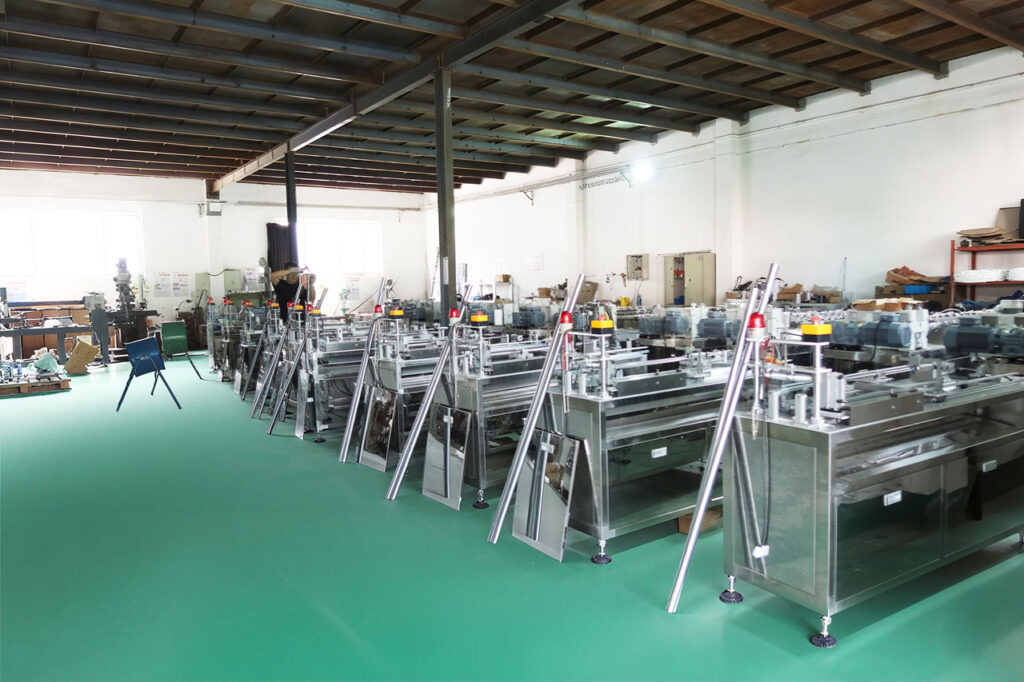
HENGTENG Machine is a global leader in filter cartridge production equipment and has been a trusted manufacturer since 1989. With more than 35 years of expertise, HENGTENG provides complete, high-efficiency, ISO-certified filter production solutions for clients in over 60 countries.
Core Advantages:
- High-efficiency production
- Smart control systems
- ISO-certified quality
- Complete global technical service
HENGTENG Products:
- PP Filter Making Machine – For producing high-quality polypropylene sediment cartridges
- CTO Carbon Block Filter Making Machine – For manufacturing activated carbon block cartridges with stable density
- PP Yarn Winding Filter Making Machine – For precision-wound string filters used in industrial and household systems
These machines help global manufacturers deliver consistent, reliable, and efficient filter cartridges that meet growing water-filtration demand worldwide.
Summary Table: Signs Your Water Cartridge Is Bad
| Sign | What It Means | Recommended Action |
|---|---|---|
| Bad taste | Carbon exhausted | Replace cartridge |
| Slow flow | Filter clogged | Replace filter immediately |
| Odor | Bacteria or saturation | Clean housing + replace cartridge |
| Particles in water | Filter damaged or overloaded | Install new filter |
| High TDS | Ineffective filtration | Replace cartridge |
Frequently Asked Questions (FAQs)
1. How do I know if my water cartridge is bad?
You can tell by taste, odor, low water pressure, visible particles, or failed water-quality tests. These signs indicate the filter is no longer capturing contaminants.
2. What happens if I use a bad water filter cartridge?
Contaminants pass through, potentially causing health issues, appliance damage, and unpleasant water taste or smell.
3. Can a water cartridge go bad before its recommended lifespan?
Yes. Hard water, heavy sediments, high usage, or poor installation can cause faster clogging.
4. How do I test whether my water cartridge is bad?
Use a TDS meter, chlorine test strips, or inspect the filter visually for dirt, slime, or discoloration.
5. Do high-quality filter machines improve cartridge performance?
Absolutely. Manufacturers using advanced equipment—like HENGTENG’s PP, CTO, and PP yarn machines—produce more consistent and durable cartridges.