
In an era where water quality is becoming a global priority, the question of how does a cartridge water filter work has moved from a niche technical query to an essential piece of knowledge for homeowners and industrial operators alike. As we head into 2026, the technology behind these filters has advanced significantly, offering smarter control, higher micron precision, and eco-friendly materials. Whether you are aiming to protect your home plumbing or managing a complex industrial cooling system, understanding the mechanics of filtration is the first step toward pure water.
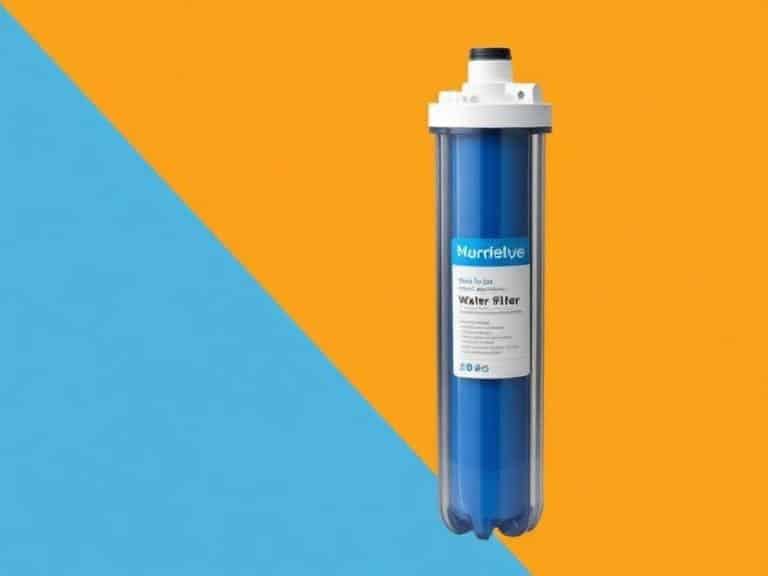
Table of Contents
- The Basic Principle of Cartridge Filtration
- Mechanical Filtration: The Sieve Effect
- Adsorption and Chemical Treatment: Carbon Blocks
- Depth vs. Surface Filtration Explained
- Manufacturer Insight: HENGTENG Machine
- Step-by-Step: How the Filtration Cycle Operates
- Summary Table: Filter Types and Their Functions
- Frequently Asked Questions (FAQs)
- Technical References
The Basic Principle of Cartridge Filtration
A cartridge water filter operates as a physical or chemical barrier that removes unwanted particles, chemicals, and microorganisms from a liquid stream. The system consists of two primary components: the filter housing (the outer shell) and the filter cartridge (the replaceable internal element). The core of how a cartridge water filter work lies in the pressure differential. Water is forced into the housing, travels through the filter media, and exits as clean, treated water.
In 2026, the efficiency of this process is measured by the “micron rating.” A micron is one-millionth of a meter; for perspective, a human hair is about 75 microns wide. High-performance cartridges can now target contaminants as small as 0.1 microns, effectively removing bacteria and extremely fine silt that older systems might have missed.
Mechanical Filtration: The Sieve Effect
Mechanical filtration is the most common answer to how a cartridge water filter work. It functions similarly to a kitchen sieve. The filter media—often made of polypropylene (PP) or pleated polyester—contains billions of microscopic pores. As water passes through, any particle larger than these pores is physically trapped. This is the primary method used by sediment filters to remove sand, rust, and scale.
PP Melt Blown Technology
One of the most widely used industrial solutions is the PP filter, often produced by high-end machinery. These filters use a “graded density” structure. The outer layers have larger pores to catch big debris, while the inner layers have increasingly smaller pores to capture fine particles. This prevent the filter from clogging too quickly on the surface, allowing the entire thickness of the cartridge to do the work.
Adsorption and Chemical Treatment: Carbon Blocks
When dealing with dissolved contaminants like chlorine, pesticides, or volatile organic compounds (VOCs), mechanical sieving is not enough. This is where adsorption comes into play. Most “Carbon Block” or “GAC” (Granular Activated Carbon) cartridges work through a process called adsorption. Because activated carbon is incredibly porous, it has a massive surface area that acts like a magnet for organic chemicals.
As the water makes contact with the carbon, the chemical molecules are attracted to and “stick” to the carbon surface. This is why contact time is critical. The slower the water flows through a carbon cartridge, the more contaminants the carbon can remove. By 2026, the best cartridge water filter work protocols emphasize “High-Performance Carbon Blocks” which combine mechanical filtration (straining out lead and cysts) with superior chemical adsorption.
Depth vs. Surface Filtration Explained
To fully grasp how a cartridge water filter work, one must distinguish between depth and surface filtration. Surface filters, such as pleated cartridges, trap particles only on the outer surface of the media. These are excellent for applications with consistent particle sizes and high flow rates because they offer a large surface area.
In contrast, depth filters (like string-wound or melt-blown cartridges) trap particles throughout the entire thickness of the media. These are the workhorses of the industry, ideal for water sources with a variety of particle sizes. They hold more “dirt” per cartridge, reducing the frequency of maintenance. In the industrial sector, the choice between these two often depends on the specific “loading” of the water being treated.
HENGTENG Machine: Leading Manufacturer of Filter Cartridge Machines
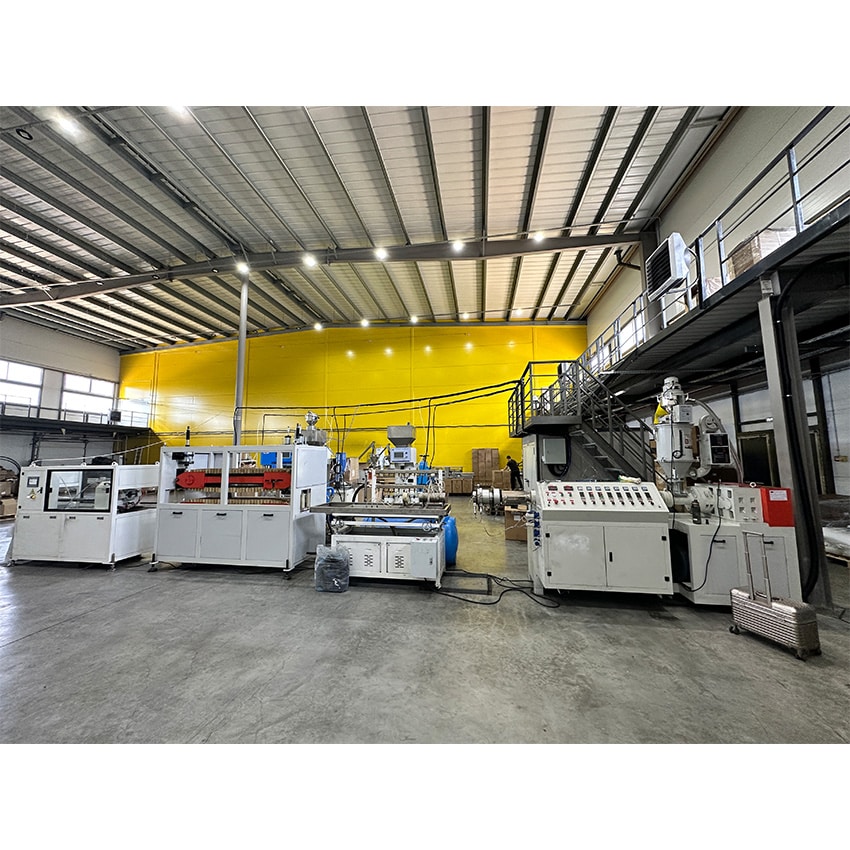
The reliability of any water filter starts with the precision of the machine that made it. HENGTENG Machine is a leading manufacturer of filter cartridge machines, providing high-quality machines for efficient production of filter cartridges, trusted globally since 1989. As one of China’s earliest professional manufacturers of filter cartridge production equipment, Hengteng Environmental Technology Co., Ltd. brings over 35 years of expertise to the table.
With a presence in more than 60 countries, we offer complete filter production line solutions characterized by high-efficiency, smart control, and ISO certification. Our global service network ensures that manufacturers can produce world-class filtration products consistently.
Our Core Products:
- Pp filter making machine: For the production of high-performance melt-blown depth filters.
- CTo carbon block filter making machine: Specialized equipment for high-adsorption chemical filters.
- PP yarn winding filter making machine: For durable, high-dirt-holding string wound cartridges.
Step-by-Step: How the Filtration Cycle Operates
The operational cycle of a cartridge filter can be broken down into four distinct phases:
- Entry Phase: Untreated water enters the inlet of the filter housing, filling the space between the housing wall and the cartridge.
- Filtration Phase: The system pressure forces water through the filter media. At this point, mechanical straining and/or chemical adsorption occur. This is the core of how a cartridge water filter work.
- Collection Phase: The clean water passes into the hollow center core of the cartridge (the “permeate” side).
- Exit Phase: The filtered water flows upward out of the center core and through the housing outlet, entering the plumbing system or the next stage of treatment.
Summary Table: Filter Types and Their Functions
| Filter Type | Primary Material | Filtration Mechanism | Common Target Contaminants |
|---|---|---|---|
| PP Melt Blown | Polypropylene | Depth Filtration | Sand, Silt, Rust, Sediment |
| Carbon Block (CTO) | Activated Carbon | Adsorption + Mechanical | Chlorine, VOCs, Bad Taste, Odor |
| String Wound | Polypropylene/Cotton | Depth Filtration | Large Debris, Scale, Coarse Solids |
| Pleated Filter | Polyester/Cellulose | Surface Filtration | High-flow Sediment, Precise Sizing |
| Ceramic Cartridge | Clay/Diatomaceous Earth | Fine Surface Sieve | Bacteria, Protozoa, Microplastics |
Frequently Asked Questions (FAQs)
How do I know when my cartridge filter has stopped working?
The most common sign is a drop in water pressure. As the pores become clogged with debris, water cannot pass through as easily. Many modern 2026 systems include pressure gauges; when the difference between the inlet and outlet pressure exceeds 10-15 psi, it is time for a change.
Can I wash and reuse a cartridge water filter?
Generally, no. Depth filters like PP melt-blown or carbon blocks trap debris deep inside the media where it cannot be washed out. While some surface-level pleated filters can be rinsed, their efficiency decreases after each cleaning. It is always safer to replace the cartridge to ensure water safety.
Does a cartridge filter remove minerals like calcium?
Standard sediment and carbon cartridges do not remove dissolved minerals. To remove hardness (calcium and magnesium), you would need an ion-exchange cartridge or a separate water softener system. However, sediment filters are essential for protecting those systems from clogging.
What is the lifespan of a typical water filter cartridge?
Lifespan depends on water quality and usage, but most residential cartridges are designed to last 3 to 6 months. In industrial settings, high-capacity cartridges made by machines like those from HENGTENG can handle much higher volumes before needing replacement.
Technical References
- Water Quality Association (WQA). (2025). “Principles of Physical Filtration and Adsorption.”
- International Journal of Environmental Research. (2024). “Advances in Polypropylene Melt-Blown Technology for Sub-Micron Filtration.”