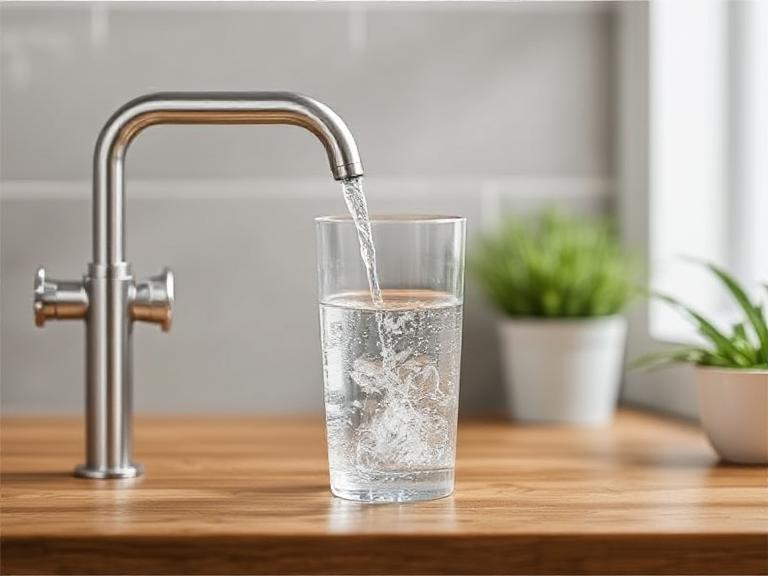

Cholera remains one of the most significant threats to global public health, particularly in regions where infrastructure for clean water and sanitation is compromised. Caused by the bacterium Vibrio cholerae, this waterborne disease can lead to severe dehydration and death within hours if left untreated. For humanitarian organizations, disaster relief teams, and households in vulnerable areas, identifying the best water filter for cholera is not merely a matter of convenience; it is a life-saving necessity.
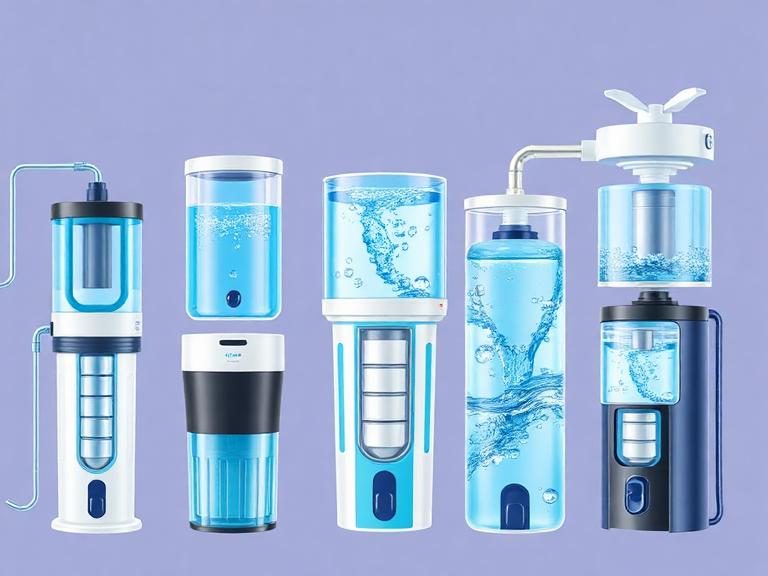
As a leading manufacturer of filter cartridge machines since 1989, HENGTENG Machine has spent decades analyzing the microscopic filtration requirements necessary to trap pathogens. From our experience, the effectiveness of a filter against bacteria depends entirely on the integrity of the filter media and the precision of the manufacturing process. In this guide, we evaluate the top filtration technologies and specific products that set the standard for cholera prevention.
Table of Contents
Understanding Cholera and Filtration Requirements
To identify the best water filter for cholera, one must first understand the size of the enemy. Vibrio cholerae is a comma-shaped bacterium approximately 0.5 to 0.8 micrometers in diameter and 1.4 to 2.6 micrometers in length. While this is significantly larger than viruses, it is small enough to bypass substandard sediment filters.
We recommend a filtration threshold of no more than 0.2 microns (absolute) to ensure a high log-reduction of bacteria. This mechanical exclusion is the most reliable method for field use, as it does not rely on chemical contact time or power sources. Furthermore, the use of activated carbon—specifically high-quality blocks produced by a CTO carbon block filter making machine—can help improve the taste and remove organic contaminants that often accompany bacterial outbreaks.
Review: The 6 Best Water Filter for Cholera Solutions
1. Hollow Fiber Membrane Gravity Systems
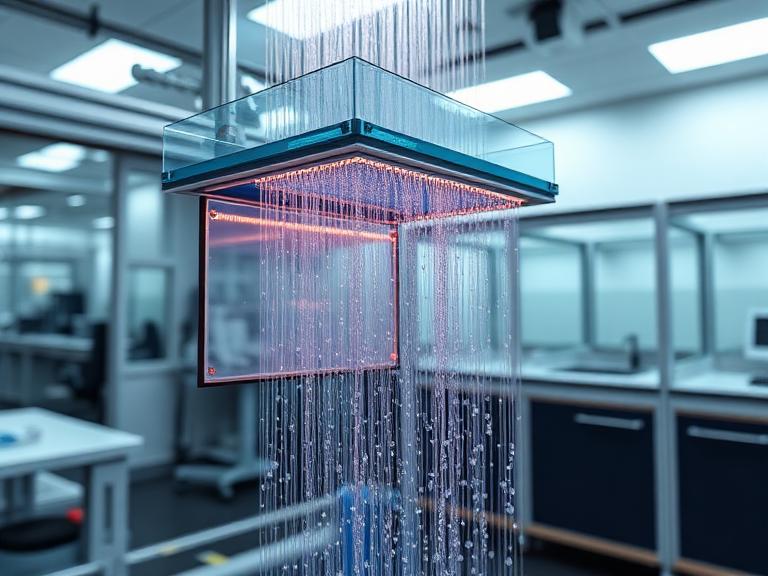
Gravity-fed systems using hollow fiber membranes are often considered the best water filter for cholera in community settings. These filters work by passing water through thousands of tiny tubes with pores sized at 0.1 microns. This mechanical barrier effectively blocks 99.9999% of bacteria.
From our experience, the longevity of these systems depends on the pre-filtration stage. Using a PP filter making machine to produce high-density melt-blown cartridges as a first stage can prevent the expensive hollow fibers from clogging with silt or sand, thereby extending the system’s life in high-turbidity environments.
2. Ceramic Siphon and Countertop Filters
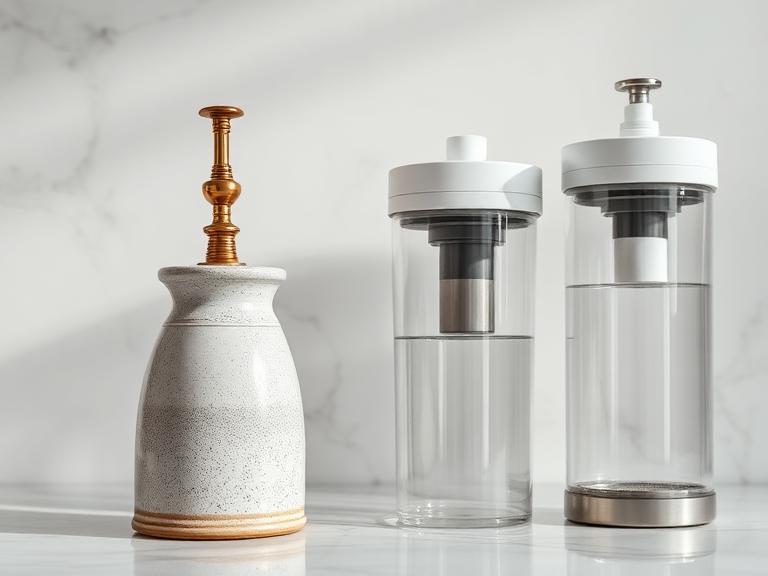
Ceramic filters have been a staple in disaster relief for decades. High-grade ceramic elements are manufactured with a controlled pore structure that naturally excludes Vibrio cholerae. Many of these filters are impregnated with silver to prevent bacterial regrowth on the element surface.
We recommend ceramic filters for household use because they are scrubbable. When the flow rate slows, the user can physically remove the outer layer of clogged material, restoring performance. This makes them a cost-effective long-term solution for cholera-prone regions.
3. High-Performance Carbon Block Cartridges
While carbon is primarily used for chemical removal, advanced carbon block technology can be engineered for cyst and bacteria reduction. When produced using a sophisticated CTO carbon block filter making machine, these filters achieve a high density that provides a secondary barrier against pathogens while removing the chlorine taste often found in treated emergency water supplies.
4. Ultrafiltration (UF) Pressure Systems
Ultrafiltration units operate under higher pressure than gravity systems and can remove both bacteria and some viruses. These are often the best water filter for cholera when integrated into larger building-wide systems or portable motorized units. The use of multiple stages, including yarn-wound cartridges from a PP yarn winding filter making machine, is essential to protect the UF membrane from larger particulates.
5. Portable Squeeze Filters
For individuals and mobile workers, portable squeeze filters using 0.1-micron absolute membranes are indispensable. These are lightweight and provide immediate access to safe water. From our experience, these are highly effective for cholera, provided the user adheres to strict backwashing protocols to maintain the integrity of the membrane.
6. Reverse Osmosis (RO) Systems
RO is the most comprehensive filtration technology available. It removes virtually all contaminants, including bacteria, viruses, and dissolved salts. While often overkill for cholera alone, in areas where water is also contaminated by heavy metals or high salinity, an RO system is the gold standard. HENGTENG Machine provides the PP filter making machines necessary to create the essential pre-filters that keep RO membranes functioning at peak efficiency.
The Manufacturing Factor: Why Filter Quality Matters
The “best” filter is only as good as the machine that made it. At HENGTENG Machine, we have observed that inconsistent pore distribution in a filter cartridge is the leading cause of bacterial breakthrough. If a PP melt-blown filter has “thin spots” due to poor temperature control or unstable airflow during production, it cannot be trusted to stop cholera.
We recommend that organizations sourcing filters for disease prevention verify the ISO certification of the manufacturer. Our PP filter making machines and CTO carbon block filter making machines are designed with smart control systems to ensure that every cartridge produced meets strict micron-rating specifications. This level of consistency is what separates a standard sediment filter from a true life-saving barrier.
Selection Criteria for Emergency Filtration
When selecting the best water filter for cholera, consider the following technical parameters:
- Micron Rating: Must be 0.2 microns or smaller.
- Flow Rate: Must meet the daily needs of the population without discouraging use.
- Ease of Maintenance: Can the filter be backwashed or cleaned in the field?
- Pre-filtration: Does the system include a sacrificial stage (like a PP yarn winding filter) to protect the primary membrane?
Summary Comparison Table
| Filter Type | Cholera Removal Rate | Primary Advantage | Maintenance Level | Best Use Case |
|---|---|---|---|---|
| Hollow Fiber | 99.9999% | High flow, no chemicals | Moderate (Backwashing) | Community/Groups |
| Ceramic | 99.99% | Durable, scrubbable | High (Manual cleaning) | Low-income households |
| Carbon Block (CTO) | High (Specialized) | Taste improvement | Low (Replacement) | Urban/Pre-treated water |
| Ultrafiltration | 99.999% | Virus + Bacteria removal | Moderate | Medical facilities |
| Squeeze/Portable | 99.9999% | Ultra-lightweight | Frequent backwashing | Disaster responders |
| Reverse Osmosis | 99.9999% | Total purification | Low (Auto-flush) | Fixed infrastructure |
Frequently Asked Questions
Can a standard carbon filter remove cholera?
Not typically. Standard GAC (Granular Activated Carbon) filters are designed for taste and odor. Only high-density carbon blocks or those combined with a sub-micron membrane can reliably trap cholera bacteria. From our experience, carbon should always be a secondary stage to a 0.2-micron mechanical filter.
How often should filters be replaced in a cholera-prone area?
This depends on water turbidity. If the water is muddy, a filter may clog in days. We recommend using a multi-stage approach. By using a PP yarn winding filter as a pre-filter, you can protect the final stage, reducing the overall cost of replacement parts during an outbreak.
Does boiling water work better than a filter for cholera?
Boiling is 100% effective at killing Vibrio cholerae, but it requires fuel and time for the water to cool. In many crisis zones, fuel is scarce. A high-quality filter provides safe water instantly without the need for energy, making it the more practical choice for many.
References
- World Health Organization (WHO) – Cholera Prevention and Control Fact Sheets. (Accessed 2026).
- Centers for Disease Control and Prevention (CDC) – Water Treatment Methods for Disaster Situations.
- International Organization for Standardization (ISO) – ISO 11133: Microbiology of food, animal feed and water.
- HENGTENG Machine Internal Lab Reports on Melt-Blown Filter Pore Consistency (1989-2026).
Expert Conclusion: Protecting a population from cholera requires a multi-layered defense. While there are many options, the best water filter for cholera is one that combines 0.1-micron mechanical exclusion with robust pre-filtration to handle real-world water conditions. As a manufacturer, HENGTENG Machine remains committed to providing the high-precision equipment necessary to produce these life-saving tools globally.