
Introduction: The Backbone of Industrial Filtration
In the vast and highly regulated world of liquid processing, the purity of the final product is dictated entirely by the efficiency of the separation technology employed. Whether a facility is processing municipal drinking water, manufacturing active pharmaceutical ingredients, or clarifying chemical solvents, particulate removal is a non-negotiable step. At the very core of this global necessity lies a deceptively simple yet highly engineered component: the polypropylene filter cartridge.
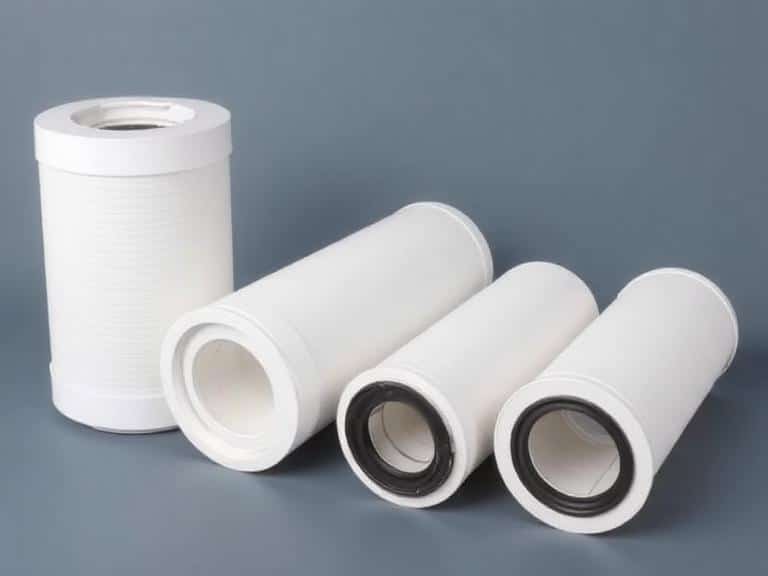
Table of Contents
- Introduction: The Backbone of Industrial Filtration
- Defining the Polypropylene Filter Cartridge
- How Does a Polypropylene Filter Cartridge Work?
- Key Industrial Applications
- The Manufacturing Perspective: How They Are Made
- The HENGTENG Machine Advantage in Filter Production
- Summary Table: Polypropylene Filter Cartridge Types
- Frequently Asked Questions (FAQs)
- Industry References
From our experience consulting with plant managers and process engineers globally, there is often a misunderstanding regarding the complexity behind these filters. Many view them as simple commodities. However, as the leading manufacturer of filter cartridge machines, HENGTENG Machine understands that the micro-structure of a polypropylene filter cartridge determines the operational uptime, differential pressure drops, and overall financial viability of a fluid processing plant. In this comprehensive guide, we will dissect exactly what a polypropylene filter cartridge is, how depth filtration physics apply to its structure, and why the machinery used to produce it is just as critical as the polymer itself.
Defining the Polypropylene Filter Cartridge
At its most fundamental level, a polypropylene filter cartridge is a cylindrical fluid filtration element constructed entirely from polypropylene (PP) resin. It is designed to be housed within a pressure vessel (filter housing) where fluid is forced from the outside of the cylinder to the inner core, trapping suspended solids, sediments, dirt, rust, and biological particulates within its matrix along the way.
Material Composition and Chemical Compatibility
We recommend polypropylene for the vast majority of standard industrial filtration applications due to its exceptional thermoplastic properties. Polypropylene is a hydrophobic, highly crystalline polymer. When spun into a polypropylene filter cartridge, it exhibits an extraordinarily broad chemical compatibility profile. It is highly resistant to corrosive acids, strong alkalis, and many organic solvents. Unlike cellulose or cotton filters, a 100 percent pure polypropylene filter cartridge is immune to bacterial attack and will not rot or degrade in aqueous environments.
Structural Integrity Without Binders
One of the defining characteristics of a high-quality melt-blown polypropylene filter cartridge is the absence of any adhesives, binders, resins, or lubricants. During the manufacturing process, the continuous micro-fibers are thermally bonded to one another. From our experience, this thermal bonding is critical. It ensures that the filter matrix remains rigid under differential pressure without shedding fibers or leaching undesirable chemicals into the filtered downstream fluid. This makes the pure polypropylene filter cartridge FDA-compliant and highly sought after in the food, beverage, and semiconductor industries.
How Does a Polypropylene Filter Cartridge Work?
To truly answer what a polypropylene filter cartridge is, one must understand the fluid dynamics occurring within its walls. These elements do not act merely as a surface sieve; they function as a complex, three-dimensional labyrinth.
The Science of Depth Filtration
The standard melt-blown polypropylene filter cartridge operates on the principle of depth filtration. Instead of capturing particles only on the exterior surface, the fluid is forced through a tortuous path of varying pore sizes throughout the depth of the cylinder’s wall. High-efficiency cartridges are manufactured with a graded pore structure. The outermost layers consist of loosely packed, larger fibers that capture coarse particulates (like sand and large scale). As the fluid travels deeper toward the inner core, the fibers become increasingly fine and tightly packed, capturing microscopic contaminants.
We recommend this graded density structure because it prevents premature blinding. If a filter only captured dirt on its surface, it would clog immediately. By distributing the contaminant load throughout the entire depth of the polypropylene filter cartridge, the service life of the element is drastically extended, and the pressure drop across the housing is minimized.
Micron Ratings and Contaminant Capture
A polypropylene filter cartridge is typically rated by its micron size, which designates the size of the particle it can reliably intercept. Ratings commonly range from 1 micron (capturing extremely fine silt and some bacteria) up to 100 microns (capturing large visible debris). Understanding whether a filter has a nominal or absolute micron rating is essential. A nominal rating means the filter captures a high percentage (usually around 85 percent) of particles at that size, whereas an absolute rating guarantees 99.9 percent efficiency. Achieving an absolute rating requires incredibly precise manufacturing equipment.
Key Industrial Applications
The versatility of the polypropylene filter cartridge makes it ubiquitous across numerous sectors. We constantly see our clients deploying these filters in the following critical areas:
- Reverse Osmosis Pre-filtration: In massive desalination plants, a polypropylene filter cartridge acts as the primary defense mechanism, removing silt and sediment that would otherwise permanently foul expensive RO membranes.
- Food and Beverage: Used extensively for clarifying syrups, edible oils, bottled water, and alcoholic beverages. The lack of chemical binders ensures the taste and odor profiles of the beverages remain untouched.
- Chemical Processing: Because of its resistance to strong acids and bases, the polypropylene filter cartridge is used to filter plating solutions, petrochemicals, and aggressive industrial solvents.
- Electronics and Pharmaceuticals: High-purity environments require absolute filtration to achieve ultra-pure water (UPW) standards necessary for semiconductor wafer washing.
The Manufacturing Perspective: How They Are Made
As industry experts, we must emphasize that not every polypropylene filter cartridge is created equal. The performance of the cartridge is a direct consequence of the machinery used to produce it. Precise control over polymer extrusion, temperature, and winding tension dictates the final porosity and structural strength.
The Melt-Blown Extrusion Process
The most common type of polypropylene filter cartridge is the melt-blown variant. Polypropylene resin pellets are fed into a heated extruder. As the polymer melts, it is forced through specialized dies while high-velocity hot air stretches the polymer stream into microscopic fibers. These continuous fibers are sprayed onto a rotating central mandrel, cooling and interweaving to form the cylindrical filter. To achieve the crucial graded density, the machine must intelligently adjust the extrusion rate, air velocity, and distance to the mandrel dynamically. This requires highly sophisticated automation.
The Yarn Winding Alternative
Another popular format is the string-wound polypropylene filter cartridge. In this method, polypropylene yarn is continuously wound around a central rigid core. The pattern of the winding dictates the micron rating. This type of filter is exceptionally robust and can handle very high dirt-holding capacities, making it ideal for highly turbid fluids.
The HENGTENG Machine Advantage in Filter Production
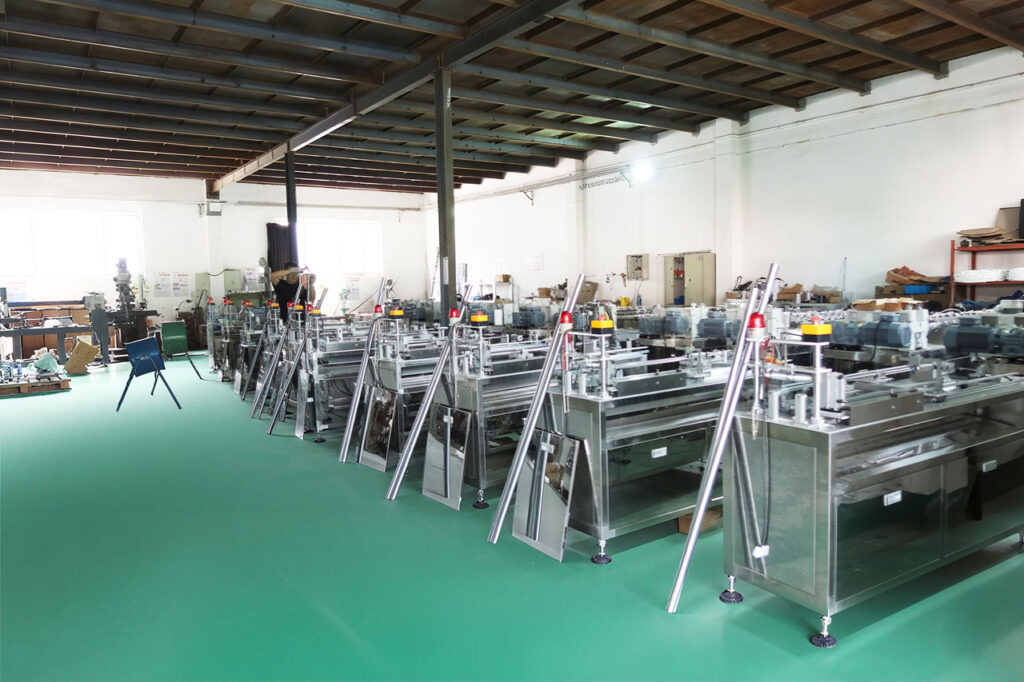
At HENGTENG Machine, we have dedicated our engineering prowess to perfecting this exact manufacturing process. Established as one of China’s earliest professional manufacturers of filter cartridge production equipment, we have been trusted globally since 1989. With over 35 years of experience, our ISO Certified facilities provide complete filter production line solutions to clients in more than 60 countries.
From our experience, the key to producing a world-class polypropylene filter cartridge lies in equipment reliability and software control. Our portfolio reflects this commitment to High-efficiency and Smart Control:
- PP filter making machine: Our state-of-the-art melt-blown production lines feature automated thickness and density controls, ensuring every polypropylene filter cartridge produced meets strict absolute or nominal micron specifications without manual intervention.
- PP yarn winding filter making machine: Designed for high-speed, precise yarn tensioning, our string-wound machines create perfect geometric patterns, ensuring uniform filtration across the entire cartridge depth.
- CTO carbon block filter making machine: While discussing polypropylene, it is vital to note that PP filters are often used in tandem with carbon block filters (CTO) for chlorine and odor removal. Our comprehensive equipment lines cover this critical secondary filtration step as well, offering a complete solution for water purification businesses.
We provide comprehensive Global Service, ensuring that whether your factory is in Europe, the Americas, or Southeast Asia, your filter production remains uninterrupted and highly profitable.
Summary Table: Polypropylene Filter Cartridge Types
To assist plant engineers in selecting the correct filtration media, we have compiled a responsive reference table comparing the core formats of polypropylene filtration.
| Cartridge Type | Manufacturing Method | Primary Advantage | Ideal Application | Required Machinery |
|---|---|---|---|---|
| Melt-Blown Polypropylene Filter Cartridge | Thermal extrusion and fiber spinning | High purity, no binders, graded density | RO pre-filtration, Food & Beverage, UPW | HENGTENG PP filter making machine |
| String-Wound Polypropylene Filter Cartridge | Geometric yarn winding over a core | High dirt holding capacity, excellent flow rate | High turbidity water, chemical processing | HENGTENG PP yarn winding filter making machine |
| Pleated Polypropylene Filter Cartridge | Pleating of flat PP media sheets | Massive surface area, highly accurate micron rating | Pharmaceuticals, fine chemical clarification | Pleating and ultrasonic welding lines |
Frequently Asked Questions (FAQs)
What is the typical lifespan of a polypropylene filter cartridge?
From our experience, the lifespan of a polypropylene filter cartridge is entirely dependent on the flow rate and the contaminant load of the fluid being processed. Instead of measuring by time, engineers monitor the differential pressure (pressure drop) across the filter housing. We recommend replacing the cartridge when the differential pressure reaches between 1.5 to 2.5 bar (22 to 36 psi), depending on the specific manufacturer’s guidelines, to prevent filter structural collapse.
Can you clean and reuse a polypropylene filter cartridge?
We recommend against attempting to clean and reuse a standard melt-blown polypropylene filter cartridge. Because it is a depth filter, the contaminants are lodged deep within the complex fiber matrix, not just on the surface. Backwashing or chemical cleaning cannot effectively dislodge these particles. Attempting to reuse them often leads to severe pressure drops and potential contamination bleed-through. They are designed to be cost-effective, disposable consumables.
Why choose a polypropylene filter cartridge over a cotton or cellulose filter?
Polypropylene offers vastly superior chemical and biological resistance. Cellulose and cotton filters are susceptible to microbial attack and will degrade or rot over time when exposed to water. Furthermore, a high-quality polypropylene filter cartridge contains no binders or glues, meaning it will not leach any foreign chemicals into your clean fluid stream, which is critical for food and beverage safety.
How does the manufacturing machine affect the quality of the polypropylene filter cartridge?
The manufacturing machine controls the temperature, extrusion rate, and cooling velocity of the polymer. If a machine lacks smart control, the resulting polypropylene filter cartridge will have inconsistent pore sizes, leading to poor filtration efficiency and short lifespans. Investing in highly controlled, automated equipment like the HENGTENG PP filter making machine ensures continuous, repeatable quality and structural integrity.
Industry References
To further your understanding of industrial filtration protocols, fluid dynamics, and polymer sciences related to the manufacturing of a polypropylene filter cartridge, we recommend consulting the following authoritative industry organizations: