
In the complex and highly technical field of water purification and industrial fluid processing, understanding the foundational components of filtration is absolutely critical. Among these components, the pp sediment filter stands as the primary line of defense in nearly every multi-stage filtration system globally. Whether deployed in a compact residential reverse osmosis (RO) system or a massive municipal water treatment facility, the pp sediment filter performs the essential task of removing suspended solids, particulate matter, dirt, rust, and silt from liquids.
As the leading manufacturer of filter cartridge machines, HENGTENG Machine has dedicated decades to advancing the engineering behind filtration manufacturing. Since 1989, we have observed the evolution of polymer science and melt-blown technology. To truly answer the question of what is a pp sediment filter, one must examine its material composition, its unique physical structure, its operational mechanics, and the sophisticated machinery required to produce it reliably. In this authoritative guide, we will break down everything industry professionals, distributors, and end-users need to know about the pp sediment filter.
Table of Contents
- Summary Table: PP Sediment Filter Overview
- What is a PP Sediment Filter?
- How Does a PP Sediment Filter Work?
- Understanding Micron Ratings
- Key Applications of a PP Sediment Filter
- Manufacturing a High-Quality PP Sediment Filter
- The Importance of Smart Control and ISO Certification
- Expert Buying and Maintenance Guide
- Frequently Asked Questions (FAQs)
- References
Summary Table: PP Sediment Filter Overview
To provide an immediate technical overview, we have compiled the core specifications and characteristics of a standard pp sediment filter in the table below.
| Specification | Details |
|---|---|
| Primary Material | 100% Pure Polypropylene (PP) Resin |
| Manufacturing Process | Melt-blown extrusion or yarn winding |
| Common Micron Ratings | 1, 5, 10, 20, 50, and 100 Microns |
| Structure | Gradient depth filtration (larger pores outside, smaller pores inside) |
| Target Contaminants | Sand, silt, rust, dirt, scale, and suspended particulates |
| Chemical Compatibility | Excellent resistance to acids, alkalis, and organic solvents |
| Operating Temperature | Typically up to 60 Celsius (140 Fahrenheit) |
What is a PP Sediment Filter?
A pp sediment filter is a cylindrical filtration cartridge manufactured primarily from polypropylene, a robust and chemically inert thermoplastic polymer. The primary function of a pp sediment filter is to physically block and retain particulate matter present in a fluid stream. Unlike carbon filters that rely on chemical adsorption to remove chlorine and odors, a pp sediment filter operates purely on mechanical screening.
Polypropylene is chosen as the foundational material for several critical reasons. First, it is entirely safe for food and beverage contact, releasing no harmful chemicals or synthetic fibers into the water supply. Second, it possesses extraordinary chemical resistance, allowing a pp sediment filter to be used in aggressive industrial chemical filtration without degrading. Finally, polypropylene can be melted and extruded into incredibly fine microfibers, which are essential for creating the dense matrices required for high-efficiency filtration.
How Does a PP Sediment Filter Work?
The operational brilliance of a high-quality pp sediment filter lies in its structural design, specifically its utilization of gradient depth filtration. When examining a cross-section of a well-manufactured pp sediment filter, you will notice that the density of the polypropylene fibers is not uniform. The outer layers of the filter are loosely packed, while the inner core near the center tube is densely packed.
As contaminated water flows from the outside of the pp sediment filter toward the inner core, the larger particles, such as coarse sand and pipe scale, are trapped in the outer layers. As the water penetrates deeper into the filter, progressively smaller particles, such as fine silt and microscopic rust, are captured by the tighter fiber matrix. This gradient structure ensures that the entire depth of the pp sediment filter is utilized for contaminant retention, drastically extending the service life of the cartridge and preventing premature surface blinding.
Understanding Micron Ratings
A pp sediment filter is classified by its micron rating, which indicates the physical size of the particles it can effectively intercept. A micron is one-millionth of a meter. For context, a human hair is roughly 70 microns in diameter. A 5-micron pp sediment filter will trap particles that are invisible to the naked eye. In multi-stage systems, water typically passes through a higher micron pp sediment filter (like 20 or 50 microns) before reaching a finer pp sediment filter (like 1 or 5 microns) to ensure maximum efficiency and protect sensitive downstream membranes.
Key Applications of a PP Sediment Filter
Due to their exceptional dirt-holding capacity and chemical compatibility, a pp sediment filter is ubiquitous across multiple industries.
- Residential Water Purification: Acting as the first stage in under-sink RO systems, a pp sediment filter protects delicate carbon blocks and RO membranes from physical fouling.
- Food and Beverage Production: Used extensively to clarify liquids, remove particulate matter from municipal water feeds, and ensure product consistency.
- Industrial Chemical Processing: The high chemical resistance of polypropylene makes a pp sediment filter ideal for filtering acids, alkalis, and electroplating solutions.
- Pharmaceuticals and Electronics: Utilized as pre-filters for ultra-pure water systems to dramatically reduce the particulate load on highly sensitive micro-filtration systems.
Manufacturing a High-Quality PP Sediment Filter
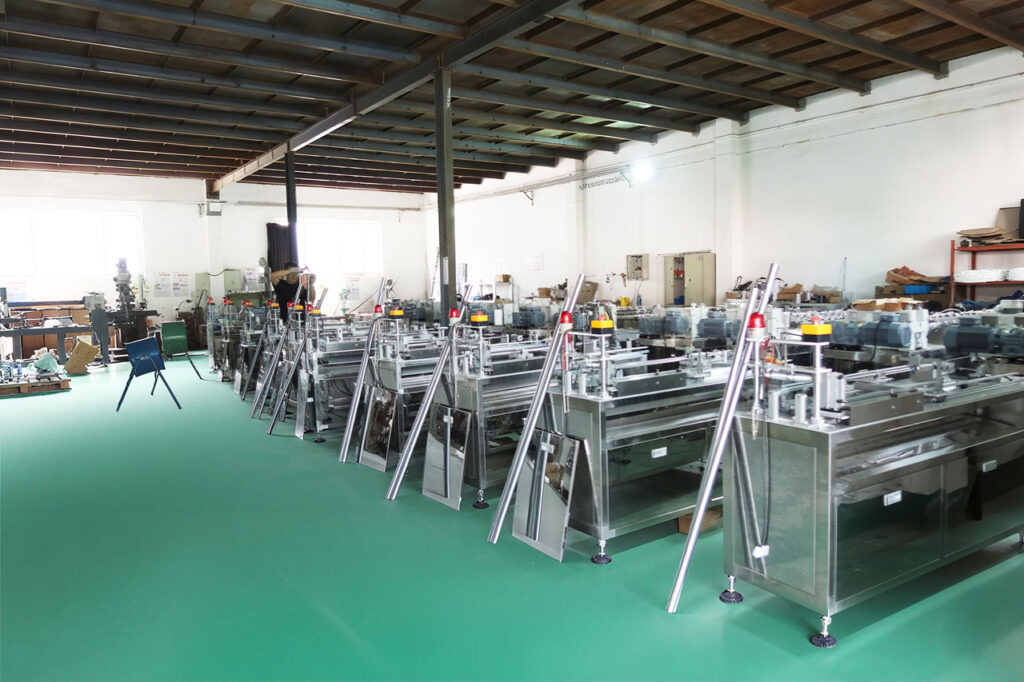
The structural integrity and filtration efficiency of a pp sediment filter are entirely dependent on the precision of the manufacturing equipment. This is the domain where Hengteng Environmental Technology Co., Ltd. excels globally. We have been a leading manufacturer of filter cartridge machines since 1989. With over 35 years of experience, we provide complete filter production line solutions to global clients in more than 60 countries.
To produce a standard melt-blown pp sediment filter, pure polypropylene resin is fed into an extruder. The resin is melted and forced through precision nozzles while high-velocity hot air stretches the molten polymer into continuous, ultra-fine microfibers. These fibers are then blown onto a rotating central spindle. By precisely controlling the speed of the spindle, the temperature of the polymer, and the velocity of the air, our advanced PP filter making machine creates the perfect gradient density structure required for optimal depth filtration.
Furthermore, the water purification industry requires diverse solutions. While the melt-blown pp sediment filter is the most common, string-wound filters are also highly effective for specific high-temperature and high-sediment load applications. Our PP yarn winding filter making machine utilizes smart control technology to wind polypropylene yarn around a core with exact geometric precision, creating diamond-shaped cavities that trap sediment efficiently.
Following the sediment filtration stage, water typically moves to carbon filtration. Recognizing the need for integrated production facilities, HENGTENG Machine also engineers the industry-leading CTO carbon block filter making machine, allowing our clients to produce the complete suite of pre-filtration cartridges seamlessly.
The Importance of Smart Control and ISO Certification
Not all filters are created equal. A poorly manufactured pp sediment filter will suffer from fiber shedding, bypass channeling, and rapid pressure drops. From our experience, the only way to eliminate these defects is through automation and strict quality management. HENGTENG Machine integrates high-efficiency, smart control PLC systems into all our manufacturing lines. This ensures absolute consistency in fiber diameter, cartridge weight, and micron rating across millions of production cycles.
Furthermore, as an ISO Certified organization, Hengteng Environmental Technology Co., Ltd. adheres to the strictest international standards of engineering and quality assurance. When our global partners utilize our machinery to produce a pp sediment filter, they do so with the confidence that their end product will meet the rigorous demands of municipal, commercial, and residential markets.
From our experience, manufacturers who invest in high-quality automated production lines see a drastic reduction in raw material waste and customer reject rates. The precision of the extrusion directly dictates the dirt-holding capacity of the final pp sediment filter.
Expert Buying and Maintenance Guide
Whether you are setting up a water treatment facility or maintaining a home RO system, selecting and maintaining a pp sediment filter requires practical knowledge. We recommend the following guidelines:
- Verify the Weight and Density: A quality pp sediment filter should feel rigid and dense. If the filter is easily compressible by hand, it lacks the necessary fiber density and will likely collapse under water pressure.
- Monitor Pressure Drop: As a pp sediment filter traps dirt, the water pressure exiting the filter will naturally drop. We recommend replacing the filter when you notice a pressure drop of 10 to 15 psi, or a visible reduction in water flow, to prevent damage to booster pumps.
- Visual Inspection: A standard melt-blown pp sediment filter is bright white. When it turns dark brown, orange, or black, its core is saturated, and it must be discarded. Do not attempt to wash and reuse a melt-blown pp sediment filter, as this forces contaminants deeper into the matrix.
- Match Micron Ratings to the Source: For municipal water, a 5-micron pp sediment filter is standard. For well water with heavy silt, we recommend a two-stage approach: a 50-micron pleated or wound filter followed by a 5-micron melt-blown pp sediment filter.
Frequently Asked Questions (FAQs)
References
- American Water Works Association (AWWA) – Standards for Particulate Filtration. View AWWA Standards
- Water Quality Association (WQA) – Understanding Depth Filtration Mechanics. View WQA Guidelines