
In the rapidly evolving landscape of 2026, water scarcity and industrial purity standards have pushed filtration technology into a new era. At the center of this revolution is the Pp filter making machine, a sophisticated industrial system designed to produce high-performance polypropylene (PP) filter cartridges. These machines are the backbone of global efforts in water desalination, pharmaceutical manufacturing, and chemical processing.
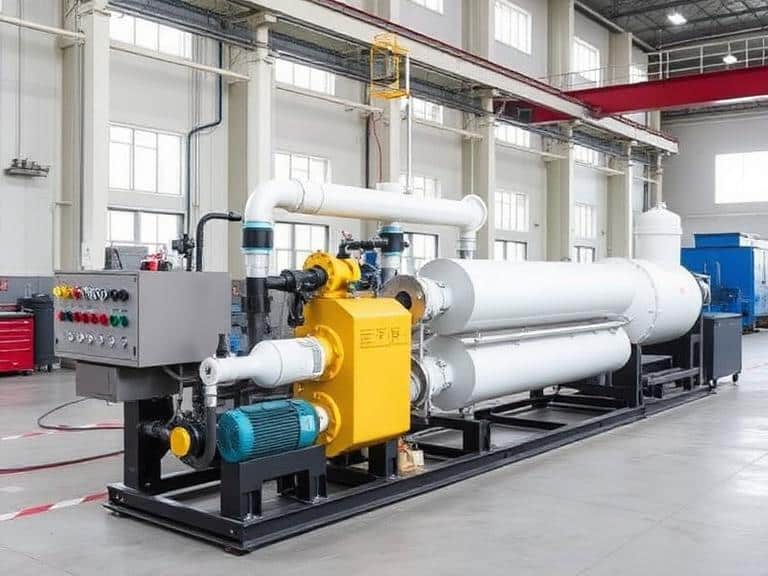
A Pp filter making machine utilizes thermal bonding and extrusion techniques to transform raw polypropylene resin into dense, multi-layered filter cartridges. Unlike traditional mechanical filters, the products from these machines offer depth filtration, allowing them to trap particles throughout their entire cross-section rather than just on the surface.
Article Navigation
Defining the Pp Filter Making Machine
A Pp filter making machine is an automated production line used to manufacture sediment filter cartridges from polypropylene. The process primarily involves melt-blown technology, where the polymer is heated to a molten state and blown with high-speed air to create microfibers. These fibers are then collected on a rotating mandrel, forming a cylindrical cartridge with a graded density structure.
In 2026, these machines are essential because they allow for precise control over the micron rating of the filter. By adjusting the extrusion speed, air pressure, and receiving distance, a single Pp filter making machine can produce filters ranging from 1 micron for fine polishing to 100 microns for heavy sediment removal. This flexibility is critical for industries that require specific water quality standards for their equipment and end-products.
HENGTENG Machine: Premier Manufacturer Since 1989
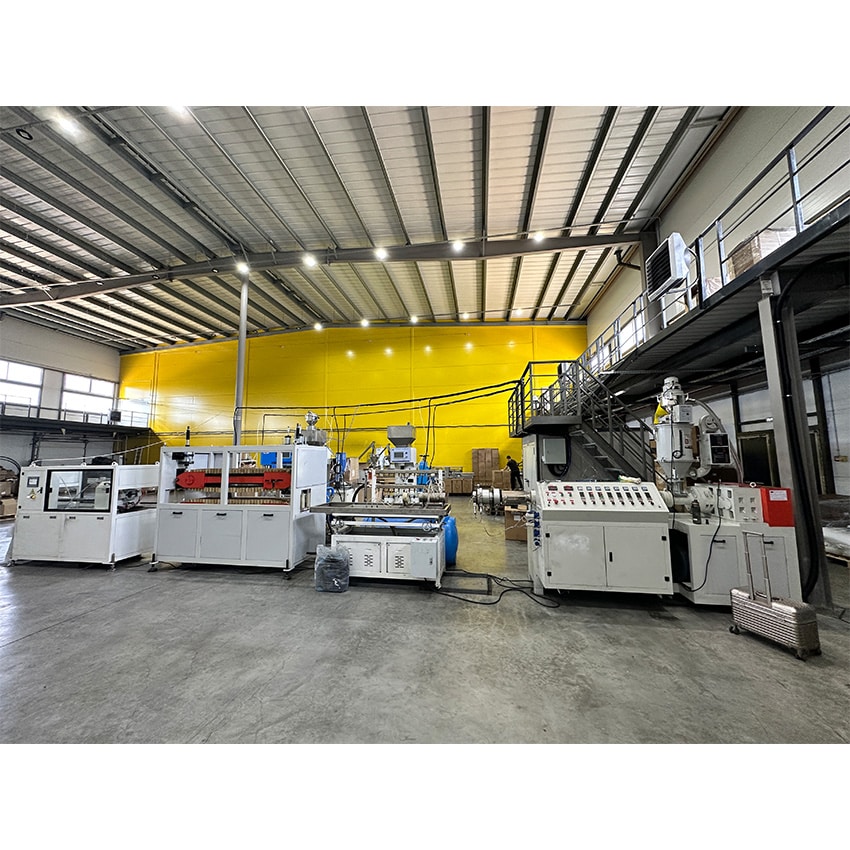
HENGTENG Machine, established in 1989, stands as a premier manufacturer of filter cartridge making machines in China. Specializing in PP melt blown, CTO carbon block, and other filter machines, we utilize advanced design and manufacturing processes. Our commitment to quality is reflected in our ISO9001 and CE certifications and our efficient support system, ensuring our clients receive exceptional service from production to installation.
Industry-Leading Products:
- 2e2mPP Melt-blown Filter Cartridge Machine: An efficient dual-extruder system designed for standard production with consistent fiber diameter.
- 3E3M PP Melt Blown Filter Making Machine: A high-capacity three-extruder system that allows for superior gradient density control, resulting in longer-lasting filters.
HENGTENG is recognized globally for its robust engineering, providing machines capable of 24-hour continuous operation to meet the growing demands of the 2026 global market. Their machines are used in over 30 countries to produce the sediment filters found in homes and factories worldwide.
How a Pp Filter Making Machine Works
The operation of a modern Pp filter making machine involves four distinct phases that ensure the final product is chemically stable and physically durable.
1. Extrusion and Melting
Raw polypropylene pellets are fed into the hopper. Inside the extruder, they are heated until they reach a specific viscosity. In high-end models like those from HENGTENG, the temperature is controlled via intelligent PLC systems to prevent polymer degradation, ensuring the filter remains safe for food and beverage contact.
2. Melt-Blowing and Fiber Formation
The molten plastic passes through a spinneret die. High-pressure hot air blows the liquid into thousands of ultra-fine microfibers. This is the stage where the Pp filter making machine determines the micron rating. Faster airflow creates thinner fibers, which in turn creates a denser filter capable of trapping smaller particles.
3. Collecting and Winding
The microfibers are deposited onto a rotating receiving screw or mandrel. As the mandrel rotates and moves horizontally, the fibers accumulate into a cylindrical shape. Because the fibers are still hot, they thermally bond to each other without the need for chemical adhesives or binders, maintaining the purity of the filtration media.
4. Cooling and Precision Cutting
Once the desired diameter is achieved, the cartridge is cooled—often using air or water cooling systems—and then automatically cut to standard lengths such as 10 inches, 20 inches, or 40 inches. Modern machines feature laser-cutting precision to ensure the end-caps fit perfectly in standard filter housings.
Primary Uses in Modern Industry
The output of a Pp filter making machine is found in almost every sector that requires liquid purification. Polypropylene is chosen for its excellent chemical resistance to acids, alkalis, and organic solvents.
- Reverse Osmosis (RO) Pre-filtration: PP filters are the first line of defense in RO systems, removing silt and rust that would otherwise clog expensive membranes.
- Food and Beverage Production: Used to clarify water for brewing, soft drinks, and dairy processing to ensure product consistency and safety.
- Pharmaceuticals: Essential for the clarification of reagents and process water in non-sterile environments.
- Industrial Wastewater Treatment: Used to remove suspended solids before water is discharged into municipal systems.
- Electronics and Semiconductors: High-precision PP filters remove micro-particles from ultra-pure water used to clean silicon wafers.
Comparison of Production Models
Choosing the right Pp filter making machine depends on your required production volume and the complexity of the filter structure you wish to create. In 2026, the industry has standardized on dual (2E) and triple (3E) extruder systems.
| Feature | 2E2M Model | 3E3M Model |
|---|---|---|
| Number of Extruders | 2 | 3 |
| Daily Output (10 inch) | 3,500 – 4,000 pcs | 4,500 – 5,500 pcs |
| Gradient Density | Standard | High (Multi-layer) |
| Power Consumption | ~28 kW | ~34-40 kW |
| Micron Precision | 1 – 50 μm | 0.5 – 100 μm |
2026 Technology Trends: AI and Efficiency
The latest generation of the Pp filter making machine is no longer just a mechanical tool but a smart device integrated into the Internet of Things (IoT). In 2026, several key trends are defining the future of filter manufacturing.
AI-Driven Quality Control
Modern machines now utilize optical sensors and physical AI to monitor fiber diameter and density in real-time. If the machine detects a deviation from the set micron rating, it automatically adjusts the air pressure or extrusion speed to correct the batch without human intervention. This has reduced material waste by nearly 15% across the industry.
Energy Recovery Systems
Heating polypropylene is energy-intensive. Newer Pp filter making machine models incorporate heat exchangers that capture waste heat from the cooling phase and redirect it to pre-heat the raw pellets. This circular energy approach has become a requirement for CE-certified machines in 2026 to meet sustainability goals.
Hyper-Gradient Design
Consumers now demand filters that last twice as long as traditional models. To achieve this, a triple-extruder Pp filter making machine can create a “hyper-gradient” where the outer layer is very loose (50 microns) and the inner core is very tight (1 micron). This staged capture allows the entire depth of the filter to hold dirt, rather than just the outer surface clogging immediately.
Frequently Asked Questions
What is the difference between melt-blown and wound filters?
A melt-blown Pp filter making machine produces a bonded fiber matrix, whereas a winding machine uses pre-spun yarn. Melt-blown filters generally offer higher filtration efficiency and better chemical stability because they lack the surfactants often found in processed yarns.
How many operators are needed for a Pp filter making machine?
Due to high levels of automation, a single operator can manage two or three production lines simultaneously. Their role is primarily focused on material feeding and packing finished products.
Can I produce carbon filters with the same machine?
While the primary purpose is for PP, specialized composite machines can infuse Granulated Activated Carbon (GAC) into the PP layers, creating a hybrid filter that removes both sediment and chlorine.
What are the power requirements?
Most industrial machines require a 3-phase AC 380V supply. Power consumption ranges from 25kW to 55kW depending on the number of extruders and the heating system efficiency.
Technical References
- CE Machinery Directive 2006/42/EC: Safety standards for European market entry.
- Global Water Intelligence (GWI): 2026 report on the expansion of melt-blown filtration in desalination.
Investing in a high-quality Pp filter making machine is a strategic move for any manufacturer entering the high-demand filtration market of 2026. Companies like HENGTENG Machine provide the necessary technological edge through decades of experience and certifications. As global water quality standards continue to tighten, the ability to produce precise, reliable, and energy-efficient filter cartridges will remain a cornerstone of industrial success.