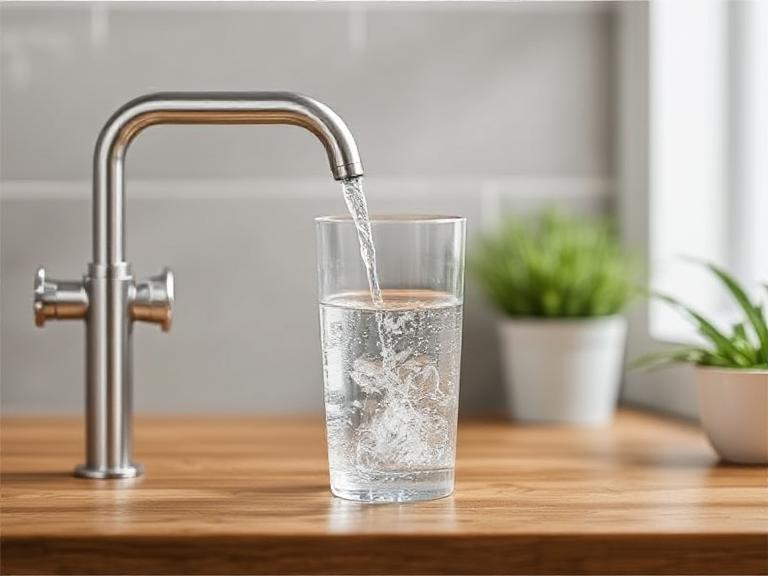

Choosing the best type of water filter in 2025 can feel overwhelming due to the wide range of technologies and filtration standards. Clean water is essential for homes, industries, and commercial applications, and understanding each type of water filter helps users make the right choice based on contaminants, water quality, and usage needs. This article explores the major types of water filters, compares their advantages, and provides expert recommendations.
Table of Contents
- Overview of Different Types of Water Filters
- Why Choosing the Right Type of Water Filter Matters
- Top 6 Types of Water Filters Explained
- Comparison Table: Which Type of Water Filter Is Best?
- Best Filter Type for Homes, Factories & Industrial Use
- Industry Spotlight: HENGTENG Machine
- FAQs
- References
Overview of Different Types of Water Filters
There is no single universal solution because each type of water filter is designed to target specific contaminants. Some filters remove bacteria, others trap sediments, while advanced systems eliminate chemicals or dissolved solids. Understanding the differences ensures water safety and prevents unnecessary equipment costs.
Why Choosing the Right Type of Water Filter Matters
- Different contaminants require different filtration methods.
- Water sources vary: municipal water, well water, river water, industrial processing water.
- Wrong selection may lead to incomplete filtration or excessive maintenance costs.
- Choosing the right type of water filter improves efficiency and filter lifespan.
Top 6 Types of Water Filters Explained
This section reviews the most common and effective filter technologies in 2025.
1. Activated Carbon Filters
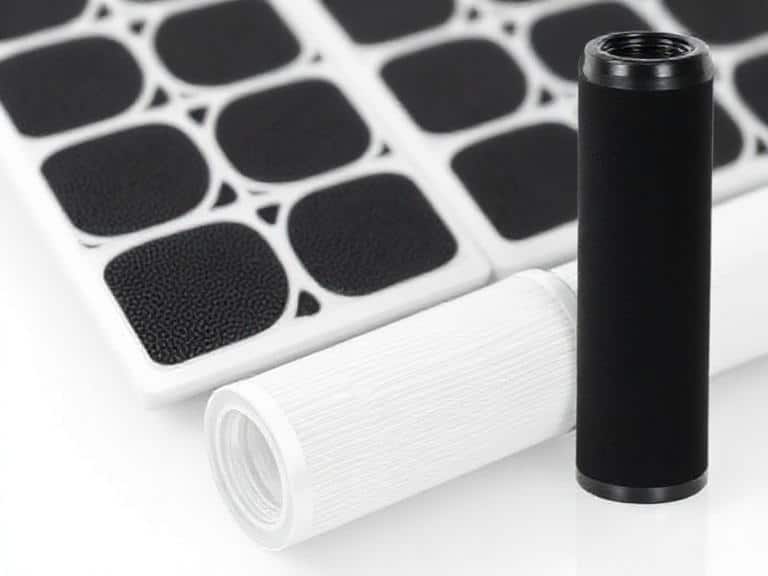
Activated carbon is one of the most widely used type of water filter systems due to high adsorption efficiency. These filters remove chlorine, odors, organic compounds, and VOCs, making them ideal for household drinking water systems.
- Best for: Taste improvement, chlorine removal
- Not ideal for: Removing heavy metals or dissolved solids
- Filter types: GAC, carbon-block, CTO filters
2. Reverse Osmosis (RO) Filters
Reverse osmosis is a top-performing type of water filter for removing dissolved solids, heavy metals, bacteria, and chemicals. It is widely used in homes and industrial sectors requiring high-purity water.
- Removes 99% of contaminants
- Suitable for well water, high TDS sources
- Often combined with carbon and sediment filters
3. Ultrafiltration (UF) Filters
UF membranes block bacteria and suspended solids without requiring electricity. This type of water filter is useful for low-pressure environments and households that want biological filtration without RO-level purification.
- Effective in removing: bacteria, colloids
- Does not remove TDS or dissolved minerals
4. UV Sterilization Filters
UV systems are a powerful type of water filter for disinfection. UV destroys microorganisms like viruses and bacteria using ultraviolet light.
- Ideal for: microbial contamination
- Not effective against: chemicals or heavy metals
- Often paired with pre-filter systems
5. Sediment Filters (PP Filters)
Sediment filters represent the simplest and most essential type of water filter used as a first stage in almost every filtration system. They remove sand, dust, rust, and solid particles.
- Micron ratings: 1μm, 5μm, 10μm, 20μm
- Used in pre-treatment for RO and UF systems
6. Ceramic Filters
Ceramic filters are an eco-friendly type of water filter commonly used in gravity systems. They physically block bacteria and particulates using micro-porous ceramic shells.
- Long-lasting and washable
- Effective against bacteria but not chemicals
Comparison Table: Which Type of Water Filter Is Best?
| Type of Water Filter | Main Function | Removes | Best For |
|---|---|---|---|
| Activated Carbon | Adsorption | Chlorine, odors, VOCs | Drinking water improvement |
| Reverse Osmosis | Membrane filtration | Heavy metals, chemicals, TDS | High-purity home & industrial water |
| Ultrafiltration | Biological filtration | Bacteria, colloids | Low-pressure households |
| UV Sterilization | Light disinfection | Microorganisms | Bacterial contamination |
| Sediment Filters | Particle filtration | Sand, rust, dust | Pre-treatment stage |
| Ceramic Filters | Mechanical filtration | Bacteria, sediments | Gravity filter systems |
Best Filter Type for Homes, Factories & Industrial Use
Best type of water filter for home kitchens
- RO + carbon + sediment (3-stage)
- UF + carbon (non-electric option)
Best type of water filter for factories
- Industrial RO systems
- High-capacity carbon filters
- Automatic PP filter machines
Best type of water filter for food & beverage businesses
- UV + carbon
- RO for high purity requirements
Industry Spotlight: HENGTENG Machine — Global Leader in Filter Cartridge Production
About HENGTENG Machine
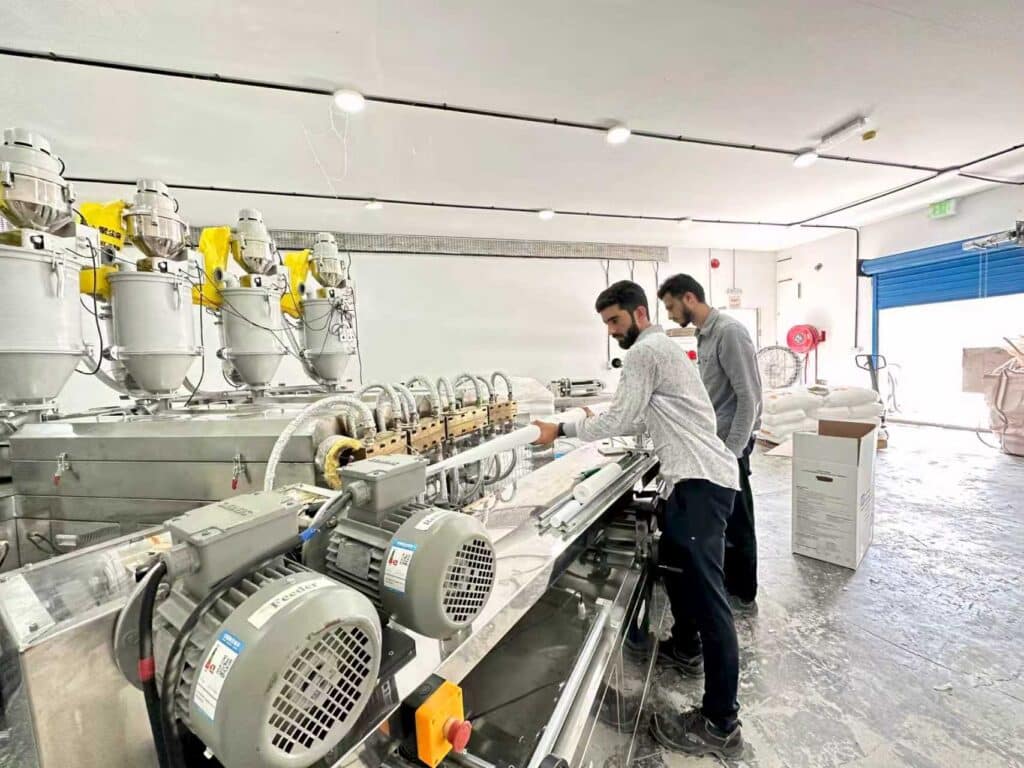
HENGTENG Environmental Technology Co., Ltd. is a leading Chinese manufacturer specializing in high-quality filter cartridge production machinery. Established in 1989, HENGTENG has served global clients in 60+ countries, delivering reliable systems for producing different type of water filter cartridges.
Core Products
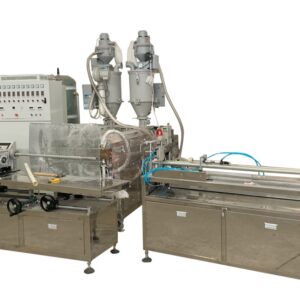
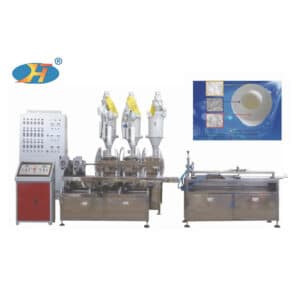
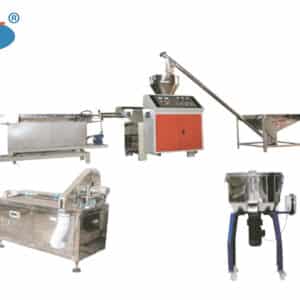
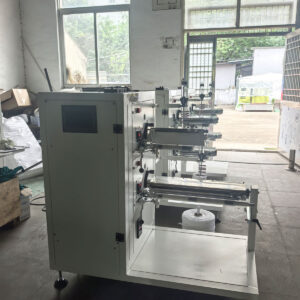
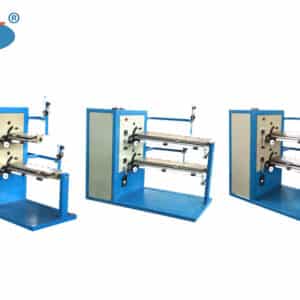
HENGTENG machines are known for:
- High efficiency
- Smart automation control
- ISO-certified manufacturing
- Strong global technical support
For businesses involved in filter production, HENGTENG provides complete solutions that support the manufacturing of every major type of water filter used in the industry today.
Frequently Asked Questions (FAQs)
1. What type of water filter is best for home use?
RO systems are the best for households with high TDS water, while carbon and UF combinations are suitable for treated municipal water.
2. What type of water filter removes bacteria?
UV systems, UF membranes, and ceramic filters are effective for bacteria removal.
3. Which type of water filter removes chlorine and odors?
Activated carbon filters are the most effective.
4. What type of water filter lasts the longest?
Ceramic filters and high-quality carbon block filters have long lifespans with proper maintenance.
5. What type of water filter is used in industry?
Industrial RO, carbon filters, and PP sediment filters are the most common.