
In the realm of fluid management and purification, one of the most persistent inquiries we receive from facility managers, distributors, and end-users is: How long do water filters last? Understanding the lifecycle of filtration media is not merely a matter of maintenance scheduling; it is a critical component of operational efficiency, cost management, and health safety. When a filter cartridge is pushed beyond its engineered capacity, the consequences range from catastrophic pressure drops in industrial pipelines to the reintroduction of harmful contaminants into drinking water supplies.
At Hengteng Environmental Technology Co., Ltd., we approach this question with unparalleled authority. As a leading manufacturer of filter cartridge machines, trusted globally since 1989, we do not just use filters; we engineer the high-quality machines that produce them. With over 35 years of experience, our ISO Certified, smart control equipment provides complete filter production line solutions to clients in more than 60 countries. Because we understand the exact microscopic architecture of these cartridges—from the tension of wound yarn to the extrusion parameters of carbon blocks—we possess a definitive understanding of their operational limits.
In this comprehensive, professional guide, we will dissect the variables that dictate filter longevity. We will explore the specific lifespans of different filter types, examine the signs of media exhaustion, and provide actionable insights into maximizing the efficiency of your filtration systems based on the structural integrity of the cartridges themselves.
Table of Contents
- Core Variables: What Determines How Long Do Water Filters Last?
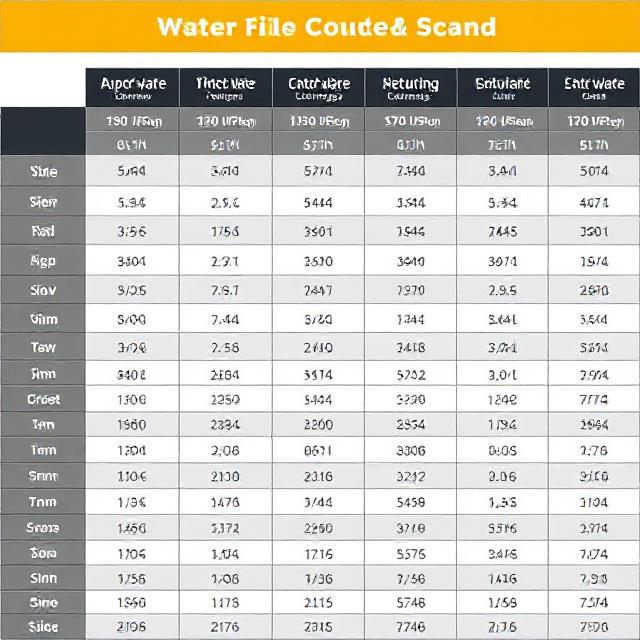
- Summary Table: Average Lifespan by Filter Type
- The Lifecycle of PP Melt Blown Filters
- The Lifecycle of CTO Carbon Block Filters
- The Lifecycle of PP Yarn Wound Filters
- Critical Indicators: When to Replace Your Cartridges
- Expert Strategies to Maximize Filter Lifespan
- Frequently Asked Questions (FAQs)
- Industry References
Core Variables: What Determines How Long Do Water Filters Last?
It is impossible to assign a universal expiration date to all filtration media. When addressing how long do water filters last, we must first isolate the operational variables. From our experience, the longevity of a cartridge is dictated by a complex interplay of environmental and mechanical factors. A filter processing municipal tap water in a residential home will perform vastly differently than the exact same filter processing heavy particulate well water in an agricultural setting.
The primary factor is the influent water quality. Water containing high levels of suspended solids, silt, rust, or turbidity will physically blind a filter much faster than relatively clean water. The second factor is the total volume of water processed. A filter rated for 10,000 gallons may last a family of four for six months, but an industrial boiler system might exhaust that same capacity in a matter of days. Finally, the structural integrity of the filter itself plays a massive role. Cartridges produced on low-quality machinery often suffer from uneven density gradients, leading to premature localized clogging (channeling), drastically reducing their effective lifespan.
Summary Table: Average Lifespan by Filter Type
To provide a clear, high-level overview, we have compiled a summary table detailing the average operational lifespans of the most common cartridge types, assuming standard municipal water quality and average usage rates.
| Filter Cartridge Type | Primary Function | Average Lifespan (Time) | Average Lifespan (Volume) |
|---|---|---|---|
| PP Melt Blown Filter | Sediment, rust, and large particulate removal | 3 to 6 Months | 10,000 to 15,000 Gallons |
| CTO Carbon Block Filter | Chlorine, odor, and VOC reduction | 6 to 9 Months | 15,000 to 20,000 Gallons |
| PP Yarn Wound Filter | High dirt-holding capacity for heavy sediment | 4 to 8 Months | 12,000 to 18,000 Gallons |
| Reverse Osmosis (RO) Membrane | Dissolved solids and heavy metal rejection | 24 to 36 Months | Dependent on pre-filtration |
The Lifecycle of PP Melt Blown Filters
Polypropylene (PP) melt blown filters act as the first line of defense in most multi-stage purification systems. Their primary role is to trap physical sediment. When asking how long do water filters last in this category, we must look at the extrusion process. These filters are created by blowing molten polypropylene resin into a fibrous web. If the manufacturing equipment is sub-standard, the filter will compress under water pressure, blinding the surface immediately.
At HENGTENG Machine, we engineer the industry-leading PP filter making machine. Our smart control systems ensure a precise, multi-layered density gradient—tighter at the core and looser on the exterior. This structural perfection allows the entire depth of the filter to capture particles, rather than just the surface. From our experience, a properly manufactured melt blown cartridge will reliably last 3 to 6 months in a standard residential environment before the pressure drop indicates exhaustion.
The Lifecycle of CTO Carbon Block Filters
Chlorine, Taste, and Odor (CTO) filters operate through adsorption rather than purely mechanical trapping. Activated carbon has a massive internal surface area full of microscopic pores that chemically bind to contaminants like chlorine and volatile organic compounds (VOCs). Determining how long do water filters last when dealing with carbon blocks requires monitoring the exhaustion of these binding sites. Once the carbon is fully saturated, the water will simply bypass the media, and the taste of chlorine will return.
We recommend replacing CTO filters every 6 to 9 months to prevent bacterial growth within the saturated carbon. The longevity of these filters is highly dependent on the compression and heating phases during manufacturing. Cartridges produced using our state-of-the-art CTO carbon block filter making machine benefit from highly uniform carbon distribution and precise binder activation. This high-efficiency manufacturing process prevents water channeling, ensuring the fluid makes maximum contact with the carbon, thereby extending the effective lifespan of the cartridge to its absolute chemical limit.
The Lifecycle of PP Yarn Wound Filters
For environments dealing with heavy, coarse sediment—such as well water systems, agricultural irrigation, or pre-filtration for industrial cooling towers—string wound filters are the industry standard. These filters utilize a specialized winding pattern that creates diamond-shaped chambers, offering an exceptionally high dirt-holding capacity. If you are questioning how long do water filters last in harsh, high-turbidity applications, yarn wound filters are often the most resilient option.
The secret to their longevity lies in the precision of the winding tension. Produced by our advanced PP yarn winding filter making machine, these cartridges maintain a strict structural matrix that resists deformation even under high differential pressure. We consistently observe that professionally wound cartridges can last 4 to 8 months in demanding environments, safely trapping massive volumes of mud, sand, and scale before requiring replacement.
Critical Indicators: When to Replace Your Cartridges
While timeline estimates are helpful, relying solely on a calendar is an imperfect science. To truly optimize your filtration system, you must be able to read the physical indicators of media exhaustion. We recommend monitoring the following critical signs:
- Significant Pressure Drop: This is the most objective metric. As sediment fills the pores of a PP melt blown or yarn wound filter, the resistance to flow increases. If your system features pressure gauges, a drop of 10 to 15 PSI across the filter housing is a definitive sign that the cartridge is blinded and must be changed.
- Reduction in Flow Rate: In residential settings without pressure gauges, a noticeable decrease in water volume at the faucet or showerhead is the primary indicator that the physical filtration media is clogged.
- Changes in Taste or Odor: If you begin to detect the smell of chlorine, a metallic taste, or an earthy odor, your CTO carbon block filter has exhausted its adsorption capacity and requires immediate replacement.
- Visual Inspection: Many sediment filters are housed in clear sumps. If the white polypropylene material has turned dark brown, heavily rusted, or is coated in a thick layer of slime, its operational life has concluded.
Expert Strategies to Maximize Filter Lifespan
For industrial operators and homeowners alike, frequently changing cartridges drives up operational costs. By implementing strategic system designs, you can significantly extend how long do water filters last. The most effective strategy is the implementation of stepped pre-filtration.
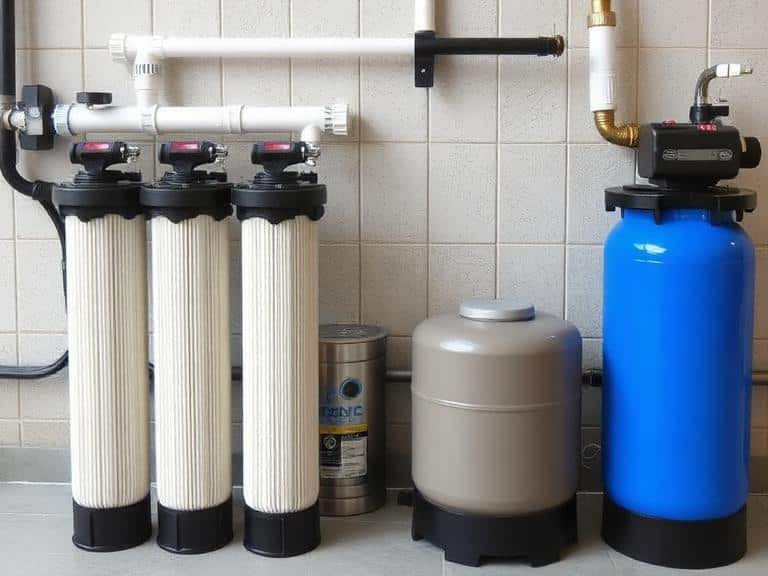
Do not force a single 1-micron filter to do all the work. If your water source contains heavy sediment, install a 20-micron PP yarn wound filter as the first stage, followed by a 5-micron PP melt blown filter, and finally your CTO carbon block. By capturing the large debris first, you protect the microscopic pores of your finer filters, allowing them to last exponentially longer. Furthermore, ensuring that your filters are manufactured on high-efficiency, ISO Certified machinery guarantees that you are not losing operational days to poor structural integrity.
Frequently Asked Questions (FAQs)
Industry References
1. Water Quality Association (WQA). (2025). “Guidelines for the Lifecycle and Replacement of Point-of-Use Filtration Media.”
2. The Journal of Industrial Fluid Management. (2024). “Adsorption Kinetics and Saturation Rates of CTO Carbon Block Filters in Municipal Systems.”