
In the vast and complex world of fluid filtration, selecting the correct micron rating is paramount to achieving optimal water quality and protecting downstream equipment. Whether you are designing a municipal water treatment facility, setting up a residential well water system, or manufacturing filter cartridges, understanding the precise capabilities of your filtration media is critical. A frequently specified component in these systems is the 20 micron filter. But what exactly does this mean, and how does it function in practical applications?
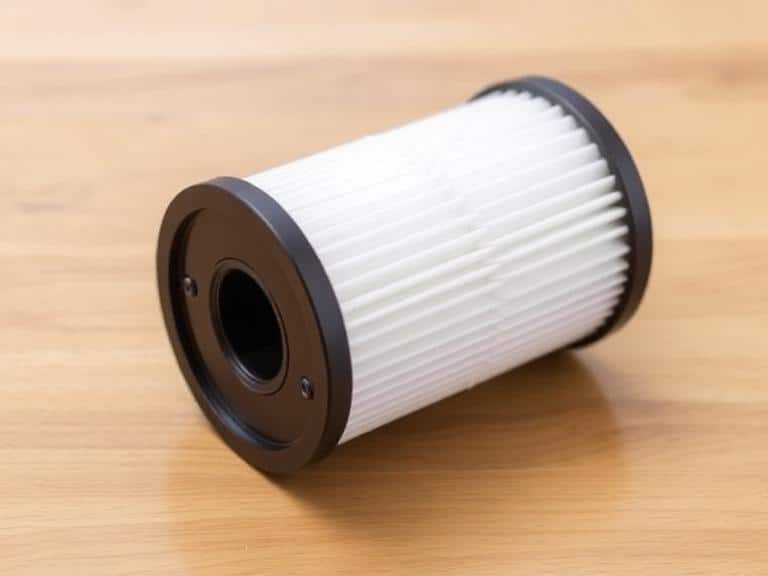
From our experience at HENGTENG Machine, having manufactured the machinery that produces these exact filters for decades, we recognize that a 20 micron filter serves a highly specific and vital role in the filtration hierarchy. It acts as the perfect balance between robust flow rates and effective particulate capture. In this authoritative guide, we will explore the science behind micron ratings, examine the materials and manufacturing processes used to create a 20 micron filter, and provide expert recommendations on when and where to deploy them.
Table of Contents
- 1. Understanding the Micron Rating System
- 2. What Exactly is a 20 Micron Filter?
- 3. Materials and Manufacturing of a 20 Micron Filter
- 4. Industrial and Residential Applications
- 5. Comparing Filtration: 5 Micron vs 20 Micron
- 6. Flow Rates and Pressure Drop (Delta P)
- 7. Summary Table: 20 Micron Filter Profile
- 8. Frequently Asked Questions (FAQs)
- 9. Authoritative References
1. Understanding the Micron Rating System
Before diving into the specifics of a 20 micron filter, it is essential to define what a “micron” actually is. A micron, short for micrometer, is a unit of length equal to one-millionth of a meter (0.001 millimeters). To put this microscopic measurement into perspective, a single strand of human hair is approximately 70 to 90 microns in diameter. The naked human eye can generally only see particles that are 40 microns or larger. A white blood cell is about 25 microns across.
In the filtration industry, a micron rating dictates the size of the pores in the filter media. This rating indicates the size of the particles that the filter is capable of capturing and removing from the fluid stream. Ratings are generally divided into two categories: nominal and absolute. A nominal 20 micron filter will capture approximately 85% of particles that are 20 microns or larger. An absolute 20 micron filter will capture 99.9% of particles at that size. Understanding this distinction is vital when setting up a multi-stage filtration system.
2. What Exactly is a 20 Micron Filter?
A 20 micron filter is a specialized filtration cartridge designed to trap and hold physical particulates, sediments, and debris that are 20 microns or larger in diameter. Because 20 microns is half the size of the smallest particle visible to the human eye, a 20 micron filter is highly effective at clarifying water that appears cloudy or turbid. It intercepts fine sand, silt, rust flakes, suspended scale, and larger organic matter.
From our experience in filter manufacturing, we recommend deploying a 20 micron filter as a pre-filter in a staged filtration setup. By capturing the heavier, more abundant particulate matter early in the fluid stream, a 20 micron filter protects finer, more delicate downstream filters (such as 1 micron or 5 micron cartridges) from premature clogging. This strategic placement extends the lifecycle of the entire filtration array and reduces maintenance costs significantly.
3. Materials and Manufacturing of a 20 Micron Filter
The efficiency and dirt-holding capacity of a 20 micron filter depend heavily on the material composition and the manufacturing technique utilized to produce it. At HENGTENG Machine, we engineer advanced equipment to handle various filtration materials. For a comprehensive look at what goes into these cartridges, we suggest reading our cartridge filter materials guide. The most common constructions for a 20 micron filter include:
PP Melt Blown Filters
Polypropylene (PP) melt blown cartridges are the industry standard for sediment filtration. Our specialized PP melt blown machines extrude microscopic polymer fibers, layering them to create a dense, depth-filtration matrix. A high-quality melt blown 20 micron filter utilizes graded density—meaning the outer layers capture larger particles, while the inner core captures the exact 20 micron particles. This maximizes the filter’s service life.
String Wound Filters
String wound filters are created by tightly winding polypropylene or cotton yarn around a central core. The tension and pattern of the winding determine the micron rating. A string wound 20 micron filter offers excellent dirt-holding capacity for heavily contaminated water, such as agricultural well water.
Pleated Polyester Filters
Pleated filters offer surface filtration rather than depth filtration. By folding a synthetic fabric into pleats, the filter gains a massive surface area. A pleated 20 micron filter is often washable and reusable, making it a cost-effective choice for municipal pre-filtration.
While discussing materials, it is also worth noting alternative filtration technologies. For those interested in non-polymer media, you can explore our guide on how to make a ceramic water filter, though ceramics are generally utilized for sub-micron, microbiological filtration rather than the 20 micron sediment stage.
4. Industrial and Residential Applications
The versatility of a 20 micron filter makes it ubiquitous across multiple sectors. Its primary advantage is that it cleans the water without causing a massive restriction in water pressure, which is a common issue with tighter micron ratings.
Whole-House Well Water Systems
For residential properties drawing water from a private well, a 20 micron filter is an absolute necessity. Well water frequently carries fine sand, clay, and iron rust. Installing a 20 micron filter as the first line of defense prevents these abrasives from entering the home’s plumbing, protecting water heaters, washing machines, and sensitive fixtures.
Reverse Osmosis (RO) Pre-Filtration
Industrial and commercial RO membranes are highly sensitive and extremely expensive to replace. A 20 micron filter is standard in the pre-treatment phase, ensuring that coarse particulates do not reach and foul the RO membrane. To understand how this fits into different housing sizes, we advise consulting our water filter cartridge sizes chart.
Food and Beverage Processing
In brewing, distilling, and food processing, a 20 micron filter is used to clarify liquids without stripping away essential flavor compounds. It effectively removes suspended solids and cloudiness while maintaining optimal fluid flow rates through the production line.
5. Comparing Filtration: 5 Micron vs 20 Micron
A frequent question we receive from system designers and end-users alike involves choosing between a 5 micron and a 20 micron filter. From our professional standpoint, this is not an “either/or” scenario, but rather a question of staging and water chemistry.
A 5 micron filter provides a much finer level of filtration, capturing particles that are four times smaller than those caught by a 20 micron filter. However, if you place a 5 micron filter into a heavily sedimented water supply without pre-filtration, it will blind (clog) almost immediately, resulting in a severe pressure drop. We strongly recommend using a 20 micron filter as stage one, followed by a 5 micron filter as stage two. For a deep dive into this topic, read our expert analysis on the 5 micron vs 20 micron water filter debate. If your system is already optimized and you are sourcing finer cartridges, review our selections for the best 5 micron water filters 2025.
6. Flow Rates and Pressure Drop (Delta P)
When selecting a 20 micron filter, you must account for fluid dynamics. As water passes through the filter media, a natural resistance occurs, resulting in a pressure drop (often referred to as Delta P or ΔP). Because the pores of a 20 micron filter are relatively large compared to sub-micron filters, the initial pressure drop is minimal. This allows for high flow rates (gallons per minute or GPM), making it ideal for whole-house applications where multiple water fixtures may be running simultaneously.
However, as the 20 micron filter captures dirt, the pores become obstructed, and the Delta P increases. From our experience manufacturing filter machinery, we know that depth filters (like melt blown PP) handle this buildup better than surface filters because they trap particles throughout the entire thickness of the media wall, not just on the outer surface.
7. Summary Table: 20 Micron Filter Profile
| Specification / Feature | 20 Micron Filter Details |
|---|---|
| Particle Size Captured | 20 Microns and larger (Invisible to naked eye) |
| Target Contaminants | Fine sand, silt, rust flakes, scale, suspended solids |
| Common Materials | Melt Blown PP, String Wound Yarn, Pleated Polyester |
| System Placement | Pre-filtration (Stage 1 or Stage 2) |
| Flow Rate Impact | Minimal restriction; supports high GPM |
| Best Applications | Well water, whole-house systems, RO pre-treatment |
8. Frequently Asked Questions (FAQs)
Can a 20 micron filter remove bacteria or viruses?
No. Bacteria typically range from 0.2 to 2 microns in size, and viruses are even smaller. A 20 micron filter is designed strictly for physical sediment and particulate removal. Microbiological purification requires sub-micron filtration, UV light, or chemical treatment.
How often should I replace my 20 micron filter?
Replacement intervals depend entirely on the turbidity (dirtiness) of your incoming water and your daily water usage. On average, in a residential whole-house system, a 20 micron filter should be replaced every 3 to 6 months. A noticeable drop in water pressure is the best indicator that the filter has reached its capacity.
Does a 20 micron filter remove chlorine or bad tastes?
A standard PP melt blown or string wound 20 micron filter will not remove dissolved chemicals, chlorine, or odors. Chemical removal requires a CTO carbon block filter. However, using a 20 micron filter to remove dirt before the water reaches the carbon block ensures the carbon pores do not get clogged with mud, maximizing chemical absorption.
9. Authoritative References
To further understand the science of water filtration, fluid dynamics, and micron ratings, we recommend consulting the following authoritative organizations and guidelines:
- U.S. Environmental Protection Agency (EPA): Ground Water and Drinking Water Standards
- NSF International: Water Treatment and Filtration Systems Testing and Certification
- Water Quality Association (WQA): Industry Standards for Water Treatment Technologies
Choosing the right filtration media is a delicate science. A 20 micron filter is the unsung hero of fluid processing, taking the brunt of heavy contamination to ensure clean water delivery and the longevity of sensitive equipment. At HENGTENG Machine, we remain dedicated to engineering the state-of-the-art machinery required to produce these critical components, ensuring that global water treatment standards are met with unmatched precision and quality.