
In the complex sector of industrial fluid management and residential water purification, precise particulate removal is non-negotiable. Engineers, plant managers, and equipment operators frequently ask: what is MPP filter technology, and why does it dominate the pre-filtration market? The term MPP filter stands for Melt-blown Polypropylene filter. It is a highly engineered depth filtration cartridge designed to intercept and retain suspended solids, rust, sediment, and microscopic particulate matter from liquid streams.
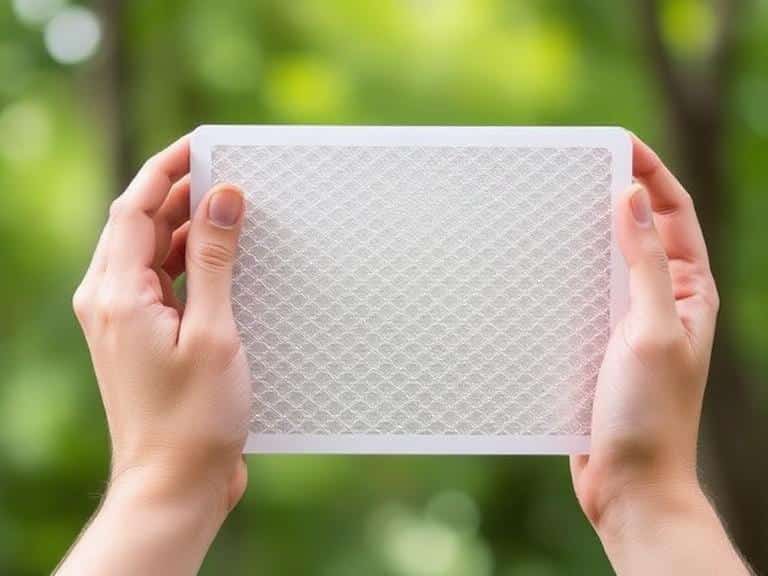
From our experience engineering the precision machinery that manufactures these exact cartridges, we understand that an MPP filter is far more than a simple plastic sponge. It is a carefully calibrated gradient density matrix. Millions of micro-fibers are thermally bonded together without the use of chemical adhesives or binders. This creates an exceptionally pure filtration medium that is biologically inert and highly resistant to chemical degradation. We recommend the deployment of an MPP filter as the primary line of defense in reverse osmosis (RO) systems, food and beverage processing, and heavy industrial wastewater treatment.
Table of Contents
- 1. What is an MPP Filter: Core Definition and Mechanics
- 2. The Engineering Behind MPP Filter Manufacturing
- 3. Structural Advantages of the MPP Filter
- 4. Primary Industrial and Residential Applications
- 5. Selecting the Right MPP Filter Manufacturing Equipment
- 6. MPP Filter Maintenance and Replacement Protocols
- 7. Summary Table: MPP Filter Specifications
- 8. Frequently Asked Questions (FAQs)
- 9. Authoritative References
1. What is an MPP Filter: Core Definition and Mechanics
To fully answer what is MPP filter technology, one must look at the science of depth filtration. Unlike surface filters (such as pleated paper or nylon mesh) which trap particles only on their outermost layer, an MPP filter utilizes its entire physical depth to capture contaminants. The filter is constructed entirely from polypropylene (PP) resin, a thermoplastic polymer known for its immense chemical resistance to acids, alkalis, and organic solvents.
An MPP filter operates on the principle of gradient density. The outer layers of the cartridge feature a looser fiber matrix with larger pore sizes, designed to catch large sediment like sand and rust flakes. As the fluid travels deeper toward the inner core of the MPP filter, the fiber matrix becomes progressively tighter, capturing microscopic particles down to 1 micron or less. This gradient structure prevents the MPP filter from blinding (clogging) prematurely, significantly extending its service life and holding capacity compared to uniform-density filters.
2. The Engineering Behind MPP Filter Manufacturing
The operational success of an MPP filter is entirely dependent on the precision of the machinery used to produce it. At HENGTENG Machine, we have spent decades perfecting this melt-blown process. The production begins by feeding raw polypropylene pellets into a heated extruder. The polymer is melted into a highly viscous liquid and forced through a precision-machined die head containing hundreds of microscopic spinneret holes.

As the liquid polymer exits the die, high-velocity hot air stretches and attenuates the polymer into ultra-fine microfibers. These fibers are then blown onto a rotating central spindle. Because the fibers are still in a semi-melted state when they contact the spindle, they self-bond at their intersection points. We recommend utilizing equipment with smart control systems to precisely regulate the extrusion temperature and air pressure, as these variables directly dictate the micron rating of the final MPP filter. For a deeper technical understanding of this machinery, we invite you to read our comprehensive pp melt blown filter machine guide.
3. Structural Advantages of the MPP Filter
Why do facility engineers consistently specify the MPP filter over alternative technologies like string-wound or resin-bonded cartridges? The advantages are rooted in the physical properties of the melt-blown process.
- No Chemical Binders: Because an MPP filter is thermally bonded, it contains no glues, resins, or wetting agents. This guarantees that no chemical leachates will contaminate the filtered fluid, making the MPP filter safe for FDA-regulated food and beverage processing.
- High Void Volume: The melt-blown structure provides an incredibly high void volume (the amount of open space within the filter matrix). This allows the MPP filter to hold a massive amount of dirt while maintaining a very low pressure drop across the system.
- Structural Integrity: The self-bonding nature of the fibers ensures that the MPP filter will not experience media migration. Inferior filters may shed fibers into the downstream fluid under high pressure, but a quality MPP filter maintains its structural integrity even under severe pressure fluctuations.
4. Primary Industrial and Residential Applications
The versatility of the MPP filter makes it an indispensable component across a multitude of global industries. In residential applications, an MPP filter is almost always the first stage of any under-sink or whole-house water purification system. By removing abrasive sediments, the MPP filter protects expensive downstream components like carbon blocks and delicate reverse osmosis membranes from premature fouling.
In municipal and emergency water treatment, the role of the MPP filter is critical. By stripping out suspended particulate matter, the filter ensures that downstream ultraviolet (UV) sterilization or chlorination works effectively against pathogens. To understand how mechanical filtration integrates with pathogen control, you can review our insights on the best water filters for cholera.
Industrially, the MPP filter is deployed heavily in the chemical manufacturing sector. Its resistance to corrosive agents allows it to filter plating solutions, petrochemicals, and industrial solvents without degrading. Furthermore, in the microelectronics industry, a high-purity MPP filter is utilized to clarify the ultrapure water (UPW) required for semiconductor wafer washing.
5. Selecting the Right MPP Filter Manufacturing Equipment
For entrepreneurs and industrial suppliers looking to produce their own consumables, investing in reliable manufacturing equipment is critical. An MPP filter is a high-demand consumable; a machine that suffers from frequent downtime or produces inconsistent micron ratings will quickly destroy a supplier’s reputation.
From our experience, we recommend partnering with manufacturers who provide end-to-end solutions, including installation, operator training, and localized support. At HENGTENG Machine, our high-efficiency systems are ISO Certified and backed by global service. If you are evaluating the capital expenditure required to enter the filtration market, consult our detailed breakdown of the pp spun filter cartridge machine price. Furthermore, you can compare our decades of legacy and technical specifications against the pp filter making machine manufacturers worldwide.
6. MPP Filter Maintenance and Replacement Protocols
An MPP filter is designed as a disposable consumable. Because the particulate matter becomes deeply embedded within the thermal matrix of the gradient density core, an MPP filter cannot be washed, backwashed, or reused. Attempting to clean an MPP filter will only force contaminants deeper into the core or damage the microfibers, resulting in immediate bypass of unfiltered fluid.
We recommend establishing a strict replacement protocol based on differential pressure (Delta-P). When the pressure drop across the MPP filter housing reaches 1.0 to 1.5 bar (15 to 22 psi), the filter has reached its maximum holding capacity and must be replaced. Relying on a visual inspection is fundamentally flawed, as the outer layers of the MPP filter may appear clean while the inner core is completely blinded. For standard consumer replacement workflows, the logic is very similar to standard appliance maintenance; you can read our keurig water filter replacement steps to understand general residential cartridge change-out procedures.
7. Summary Table: MPP Filter Specifications
To assist plant managers and procurement specialists, we have summarized the core operational parameters of a standard industrial MPP filter produced by HENGTENG Machine equipment.
| Specification Parameter | Standard MPP Filter Properties |
|---|---|
| Filter Media Material | 100% Melt-Blown Polypropylene (PP) |
| Micron Rating Options | 1, 5, 10, 20, 50, 100 Microns |
| Standard Lengths | 10″, 20″, 30″, 40″ (Customizable) |
| Maximum Operating Temperature | 80°C (176°F) |
| Recommended Change-out Pressure Drop | 1.0 – 1.5 Bar (15 – 22 PSI) |
| Chemical Compatibility | Excellent against Acids, Alkalis, and Solvents |
| Filtration Architecture | Gradient Density Depth Filtration |
8. Frequently Asked Questions (FAQs)
What does MPP stand for in filtration?
MPP stands for Melt-blown Polypropylene. It refers to the specific thermal manufacturing process where polypropylene resin is melted and blown by high-velocity air into microfibers to create a gradient density depth filter cartridge.
Can I clean and reuse an MPP filter?
No. From our experience, an MPP filter is strictly a single-use consumable. Because it utilizes depth filtration, contaminants are permanently trapped deep within the microscopic fiber matrix. Washing the outside will not remove the internal blockages and will likely damage the structural integrity of the filter.
What is the difference between an MPP filter and a string wound filter?
While both are depth filters, an MPP filter is thermally bonded and provides a highly consistent, precise micron rating without the risk of media migration. A string wound filter is made by winding yarn around a core; it is better for exceptionally high-temperature applications or highly viscous fluids, but it cannot match the precise particle retention and chemical purity of a melt-blown MPP filter.
9. Authoritative References
To ensure your filtration systems meet international health and safety standards, we recommend reviewing guidelines published by the following authoritative organizations regarding water purity and material safety:
- NSF International – For standards related to the health effects of drinking water treatment components (NSF/ANSI 42 and 53) and material safety for polypropylene filters.
- United States Environmental Protection Agency (EPA) – For guidelines on municipal and residential groundwater treatment, particulate removal, and safe drinking water regulations.
- Water Quality Association (WQA) – For industry best practices, certification programs, and technical educational resources regarding point-of-use and point-of-entry water filtration systems.