
In the highly competitive water purification industry, operating an outdated extrusion line is financial suicide. Profit margins are strictly dictated by raw material yield, energy consumption, and the reduction of manual labor on the factory floor. If your production line requires constant manual adjustment by technicians, you are bleeding capital. We consistently see buyers focused purely on initial capital expenditure, completely ignoring the operational cost of running legacy equipment.
Direct Answer: What Defines a Modern Machine?
The defining Features of a Modern Water Filter Making Machine revolve entirely around automation, precision, and energy efficiency. A contemporary production line replaces manual mechanical adjustments with sophisticated Programmable Logic Controllers (PLCs), utilizes multi-zone temperature regulation to prevent polymer degradation, and employs dynamic gradient density controls to manufacture high-performance depth filters in a single, continuous step. Whether you are producing polypropylene melt-blown elements or activated carbon blocks, upgrading to a modern system is the only way to achieve the strict dimensional tolerances and high-volume output required by global water treatment markets.
Quick Answer: Core Advantages
- What it solves: Eliminates inconsistent filter micron ratings and reduces raw material waste by up to 15%.
- Best application: High-volume, 24/7 manufacturing of PP spun cartridges or CTO carbon blocks for residential, commercial, and industrial markets.
- Key feature to demand: Always specify a PLC-driven automated cutting system and independent temperature zoning.
- The ROI factor: Modern machines reduce energy consumption by up to 30% per cartridge produced compared to equipment built prior to 2018.
Table of Contents
- What It Is
- The 7 Key Features of a Modern Water Filter Making Machine
- How It Works
- Benefits of Upgrading
- Limitations to Consider
- Who Should Use It & Who Does Not Need It
- Common Procurement Mistakes
- Commercial Buying Considerations
- Summary & Comparison Tables
- Expert Recommendation
- The Bottom Line
- Frequently Asked Questions
What It Is
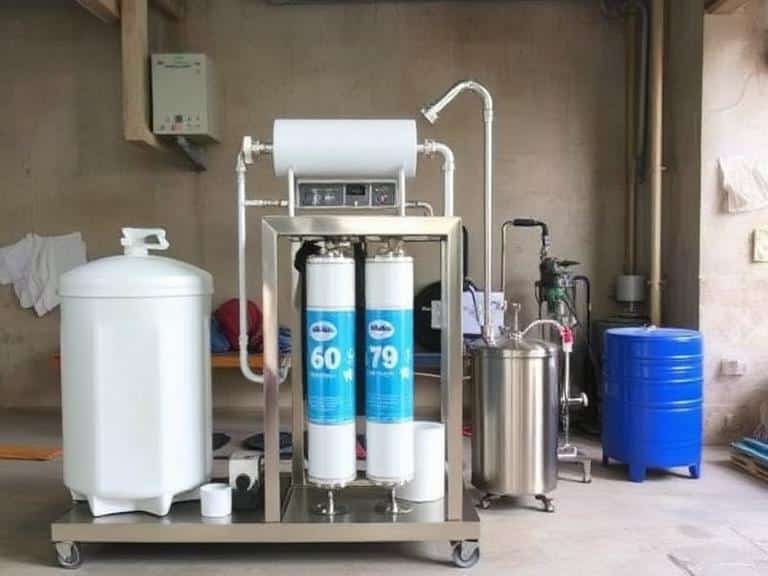
A water filter making machine is a heavy-duty industrial extrusion system designed to transform raw petrochemical resins or activated carbon powders into dense, porous filtration media. To understand exactly what is pp spun filter cartridge manufacturing, you must look at polymer physics. The machine melts polypropylene granules, extrudes them through microscopic spinnerets via high-velocity hot air, and collects the resulting microfibers on a rotating spindle. Similarly, a cto carbon block filter machine uses a tightly controlled heating and extrusion process to bind activated carbon powder with polyethylene resin binders into a solid, highly adsorptive cylinder.
The 7 Key Features of a Modern Water Filter Making Machine
From our experience engineering production lines worldwide, the following seven features are non-negotiable if you wish to remain competitive and profitable in the current manufacturing landscape.
1. Advanced PLC Automation and Touch-Screen Interfacing
Legacy machines required operators to physically adjust valves, belts, and gears, leading to massive inconsistencies between production shifts. A modern machine is controlled entirely by an industrial PLC (Programmable Logic Controller) featuring components from top-tier brands like ABB, Omron, or Schneider. This allows the operator to set the desired micron rating, filter length, and production speed from a centralized touch-screen interface. The machine autonomously adjusts the screw speed and air pressure to hit precise specifications.
2. Dynamic Gradient Density Control
In most professional situations, a depth filter must possess a gradient density—meaning the outer layers are loose to catch large sediment, while the inner core is dense to trap microscopic particulates. Modern machines utilize synchronized variable-frequency drives (VFDs) on the receiving spindle to continuously alter the fiber packing density on the fly. This produces a true gradient structure that dramatically increases the dirt-holding capacity and lifespan of the cartridge, separating premium filters from cheap alternatives.
3. Precision Multi-Zone Temperature Regulation
Polymers like polypropylene have a strict thermal degradation window. If the extruder is too cold, the machine jams; if it is too hot, the plastic burns, oxidizes, and loses its structural integrity. Modern lines feature multiple independent heating zones across the extruder barrel, utilizing solid-state relays for pinpoint accuracy. This ensures a perfectly homogeneous melt flow without damaging the chemical properties of the raw material.
4. Intelligent Extrusion and Spinneret Engineering
The heart of a pp melt blown filter making machine is the extrusion die and spinneret. Modern dies are forged from specialized alloy steels and laser-drilled with hundreds of microscopic orifices. They are engineered for uniform pressure distribution, ensuring that every single fiber extruded is of a consistent diameter. This completely eliminates “shot” (unmelted polymer beads) and weak spots in the filter wall.
5. Automated In-Line Cutting and Finishing
Halting production to manually cut filters to length destroys efficiency. Modern lines feature servo-controlled flying saws or pneumatic cutting blades that slice the continuous filter tube into exact 10-inch, 20-inch, 30-inch, or 40-inch lengths without stopping the extrusion process. This guarantees perfect, burr-free ends that fit seamlessly into standard industry filter housings without requiring secondary manual trimming.
6. High-Yield Energy Efficiency Systems
For commercial users, electrical energy consumption is the highest ongoing operational expense. Older machines wasted massive amounts of heat and air pressure. Contemporary systems utilize heavily insulated heating ovens, highly efficient roots blowers for air compression, and optimized AC motors. A modern machine can cut the kilowatts required per filter by up to 30%, directly padding your bottom line.
7. Commercial-Grade Stainless Steel Construction
Water filter manufacturing often takes place in humid or chemically demanding industrial environments. The best modern machines discard cheap painted carbon steel frames in favor of heavy-duty 304 or 316 stainless steel and robust aluminum alloys. This prevents rust from contaminating the clean production area and ensures the machine frame does not warp or crack under continuous 24/7 high-speed vibration.
How It Works
To grasp the efficiency of these systems, you must understand the continuous workflow. For a standard melt-blown line, an auto-loader pulls food-grade PP granules from a silo into a hopper. The single-screw extruder melts the plastic, pushing it forward into the die head. Simultaneously, a roots blower forces compressed air through a heating oven. This hot, high-pressure air shoots out alongside the molten polymer, stretching and attenuating it into ultra-fine microfibers.
These fibers are blown onto a receiving cart’s rotating spindle. As the spindle rotates and pulls away from the die, the fibers bond together purely through thermal self-adhesion—no chemical glues or binding agents are used. The continuous cylindrical filter then travels into the automated cutter, drops into a collection bin, and is immediately ready for packaging. The process is completely seamless from raw bead to finished cartridge.
Benefits of Upgrading
The operational benefits of utilizing a modern machine are massive. You achieve absolute product consistency, allowing you to confidently supply major municipal and industrial clients who demand strict quality control records. Labor costs plummet because one single operator can manage multiple automated lines simultaneously. Furthermore, you gain incredible formulation flexibility. By simply adjusting the PLC parameters, the exact same machine can produce a high-flow 50-micron filter in the morning and a precise 1-micron filter in the afternoon.
Limitations to Consider
We recommend approaching your investment with a clear view of the limitations. Modern PLC-driven machines carry a significantly higher initial capital cost compared to manual, second-hand equipment. They also require stable, high-amperage three-phase industrial power to operate the heavy extruders and air heaters safely. Finally, while the machines are highly automated, diagnosing a software or sensor fault requires an operator with basic technical literacy, meaning you cannot rely on completely unskilled labor to manage the factory floor.
Who Should Use It & Who Does Not Need It
For commercial users: Any enterprise looking to become a regional or global supplier of water purification consumables must utilize modern equipment. If you want to compete with the top industrial filter cartridge manufacturers, you simply cannot rely on outdated, low-yield machinery.
Who does not need it: Small retail water shops that simply assemble residential RO systems using imported parts do not need a full-scale filter manufacturing machine. The volume required to achieve a return on investment means this equipment is strictly for dedicated manufacturing facilities running at least one full shift per day.
Common Procurement Mistakes
In our testing and consulting with global clients, the most devastating mistake is prioritizing the absolute lowest machine price over the total cost of ownership. Cheap machines utilize substandard heating elements that cause rapid temperature fluctuations. A 10-degree drop in die temperature will instantly change the micron rating of your filter, resulting in entire batches being rejected by your quality control department.
Another common mistake is failing to understand the difference between CTO and UDF filters when buying carbon equipment. A CTO machine extrudes a solid block and requires heavy heating and immense pressure capabilities, whereas a UDF machine simply fills a plastic shell with granular carbon. Buying the wrong machinery type will halt your business plan entirely before it even begins.
Commercial Buying Considerations
When requesting a quote for a new production line, we strongly advise examining the internal electrical components. Ask the manufacturer to specify the brand of the PLC, the VFDs, and the extruder motor. Demand a machine that includes an automated alert system to monitor the production line for blockages or unexpected temperature drops.
For heavy-duty applications, rigorously evaluate the cooling system on carbon block machines, as you cannot use direct water cooling on carbon blocks (it causes immediate mildew and ruins the batch). Ensure the manufacturer provides comprehensive on-site installation, operational training, and a long-term warranty on the core extruder screw and precision die head.
Summary & Comparison Tables
Quick Summary Table: Manufacturing Machine Types
| Machine Type | Primary Raw Material | Finished Product Format | Best Industry Use Case |
|---|---|---|---|
| PP Melt Blown | Polypropylene (PP) Resin Granules | Coreless Spun Cylinder | High-volume sediment, sand, and particulate removal. |
| CTO Carbon Block | Activated Carbon + PE Binder Powder | Extruded Solid Carbon Block | Chlorine, heavy odor, and VOC reduction. |
| PP Yarn Winding | Continuous Polypropylene Yarn | String-Wound Cartridge on Core | High-temperature industrial fluid and chemical filtration. |
If you are exploring the string-wound segment, reading a comprehensive pp yarn making machine review is absolutely essential, as winding requires distinct mechanical tensioners completely different from the thermodynamics of melt-blowing.
Comparison Table: Legacy vs. Modern Filter Machines
| Machine Feature | Legacy Equipment (Pre-2018) | Modern Equipment (2026 Standards) |
|---|---|---|
| Control System Architecture | Manual dials, analog relays, and mechanical switches. | Fully automated PLC with centralized Touch-Screen UI. |
| Filter Density Control | Static, single-density only. | Dynamic, multi-layer variable gradient density. |
| Labor Requirement | 2 to 3 operators per single extrusion line. | 1 operator can manage 2 to 3 lines simultaneously. |
| Cutting & Finishing System | Manual cutting or semi-automatic stopping required. | Automated in-line continuous flying cutter (no stopping). |
| Chassis & Frame Material | Painted carbon steel (highly prone to rust and wear). | 304/316 Stainless Steel & Heavy Aluminum alloys. |
Pros and Cons Table: Investing in Modern Machinery
| Pros of Upgrading to Modern Equipment | Cons of Upgrading to Modern Equipment |
|---|---|
| Drastic reduction in raw material waste and rejected product batches. | Significantly higher initial capital expenditure required. |
| Ability to reliably produce strict FDA/EC compliant filters for global export. | Requires highly stable industrial three-phase electricity to operate. |
| Lower energy consumption per unit drastically increases profit margins. | Machine operators require specialized technical and software training. |
| Fully automated continuous 24-hour operation capabilities. | Factory footprint requirements are significant due to in-line cooling and cutting. |
Expert Recommendation
The HENGTENG Machine Advantage
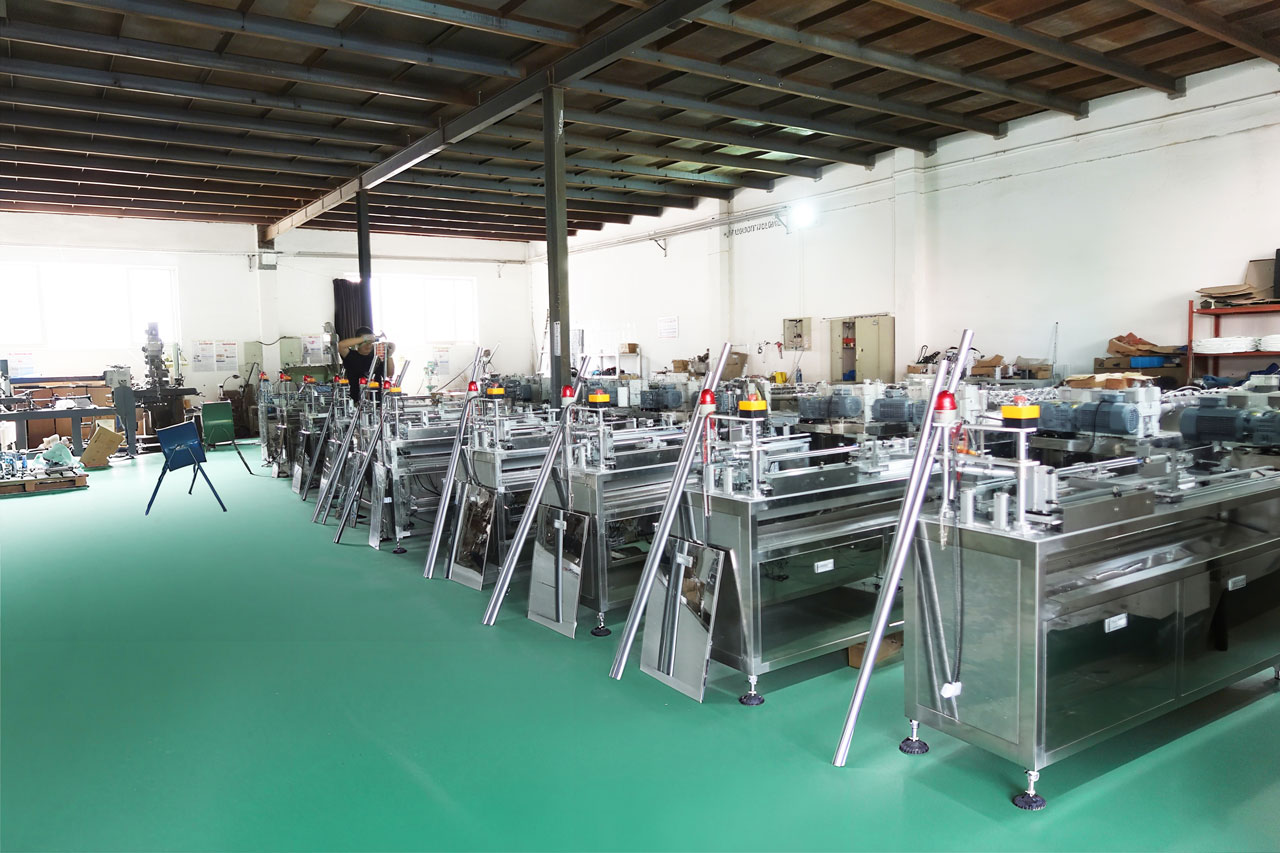
In most professional situations, partnering with an experienced machinery manufacturer is the difference between running a profitable factory and managing an expensive warehouse. Hengteng Environmental Technology Co., Ltd. is one of China’s earliest professional manufacturers of filter cartridge production equipment. With over 35 years of experience, we provide complete filter production line solutions to global clients in more than 60 countries.
We recommend investing heavily in fully automated extrusion lines. The upfront cost is rapidly absorbed by the elimination of labor inefficiencies and material waste. Our CTO Carbon Block machines and PP Melt Blown machines are engineered with premium ABB and Omron electronics, ensuring your production runs reliably 24 hours a day without catastrophic downtime. Whether you are expanding an existing plant or building a brand new facility, HENGTENG provides the turnkey installation, rigorous testing, and comprehensive technical training required to guarantee your operational success.
The Bottom Line
Automation is Mandatory, Not Optional
The Features of a Modern Water Filter Making Machine are no longer luxury upgrades; they are absolute commercial necessities. To produce water filters that meet modern regulatory standards, you must possess absolute control over polymer extrusion, temperature stability, and fiber density. By upgrading to a modern, PLC-driven manufacturing line from a reputable builder like HENGTENG Machine, you secure higher manufacturing yields, lower operational costs, and the capability to dominate your local and export markets with superior filtration products.
Frequently Asked Questions
How many filters can a modern PP melt blown machine produce per day?
A modern automated PP melt blown filter making machine, such as the 3E3M model, can easily produce between 3,500 and 4,800 standard 10-inch filter cartridges in a 24-hour continuous production cycle, depending entirely on the required filter weight, micron rating, and density.
Do modern filter machines require special raw materials?
Modern PP spun machines use standard Melt Flow Index (MFI) polypropylene granules, typically MFI 1200 or 1500. CTO carbon block machines require specific mesh sizes of activated carbon (usually coal or coconut shell-based) blended with a high-density polyethylene (HDPE) or ultra-high-molecular-weight polyethylene (UHMWPE) binder powder.
Are filters made on modern machines compliant with food safety standards?
Yes, provided the manufacturer utilizes 100% virgin food-grade polypropylene or certified activated carbon and ensures the machinery is kept clean. A modern machine utilizing stainless steel contact parts easily produces filters that comply with stringent FDA CFR Title 21 and European EC/1935/2004 food contact regulations.
Authoritative References
- U.S. Food and Drug Administration (FDA) – CFR Title 21 guidelines regarding safe polymer processing and acceptable food contact materials in filtration manufacturing.
- Water Quality Association (WQA) – Global standards for residential, commercial, and industrial water treatment product certification and performance metrics.
- International Organization for Standardization (ISO) – ISO 9001:2015 standards outlining the strict quality management systems required for advanced machinery manufacturing and operation.