
In the highly competitive water purification industry, the foundation of your profitability does not lie solely in your sales and marketing capabilities; it is fundamentally anchored in the reliability, efficiency, and technological sophistication of your manufacturing equipment. Entering the filtration market or expanding your current production capacity requires a substantial capital expenditure. From our experience outfitting factories for top-tier industrial filter cartridge manufacturers, the difference between a highly profitable enterprise and a continuous operational nightmare comes down to the machinery you select on day one.
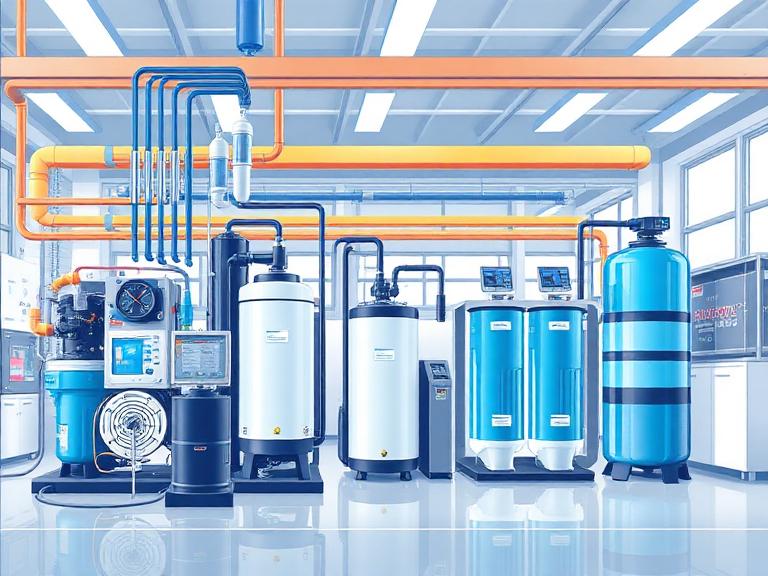
The global demand for clean water is escalating exponentially, driving massive demand for PP melt blown filters, CTO carbon blocks, and string wound cartridges. However, the market is flooded with substandard, poorly engineered equipment that promises high yields but delivers inconsistent micron ratings, frequent mechanical breakdowns, and severe raw material wastage. In this comprehensive, practitioner-led guide, we dissect the absolute critical realities of Buying Water Filter Making Machine. We will bypass the generic sales pitches and focus strictly on the mechanical truths, operational economics, and strategic considerations necessary to dominate your local and international markets.
Quick Answer: What You Must Know Before Purchasing
Before buying a water filter making machine, you must ruthlessly evaluate your required production capacity, the exact filter specifications your market demands (e.g., precise micron retention), and your facility’s infrastructural capabilities (power, cooling, and space). Do not buy based on initial capital cost alone. You must calculate the Total Cost of Ownership (TCO), factoring in energy consumption—which represents the highest ongoing operational cost in thermal extrusion processes—and the long-term availability of spare parts. For commercial users aiming for consistency and high margins, we recommend fully automated systems utilizing premium alloy extruders and integrated quality control sensors.
Table of Contents
- What It Is and How It Works: The Machinery Explained
- Quick Summary Table: Types of Filter Machines
- The 10 Critical Things to Know Before Buying
- Comparison Table: PP Melt Blown vs. CTO Carbon Block
- Core Benefits and Structural Limitations
- Who Should Buy This Equipment (And Who Should Not)
- Common Mistakes We See Buyers Make
- Pros and Cons: In-House Manufacturing vs. Outsourcing
- Strategic Buying Considerations & Factory Requirements
- Buying Guide Table: Matching Scale to Machinery
- Expert Recommendation: The Hengteng Standard
- The Bottom Line
- Frequently Asked Questions (FAQ)
What It Is and How It Works: The Machinery Explained
A water filter making machine is an industrial-grade manufacturing system designed to convert raw materials—such as polypropylene (PP) resin chips, activated carbon powder, or specialized yarns—into uniform, highly porous cylindrical cartridges used in residential, commercial, and industrial water purification.
How it works depends entirely on the specific filtration technology you intend to produce. For instance, if you are wondering what is pp spun filter cartridge manufacturing, it involves a complex process called “melt blowing.” The machine takes raw PP chips, melts them inside a high-temperature extruder (often reaching 250°C to 300°C), and forces the molten plastic through specialized spinnerets. High-velocity hot air then blows these micro-fibers onto a rotating receiving spindle, winding them into a dense, multi-layered gradient cylinder capable of trapping sediment, rust, and particulates.
Alternatively, the production of CTO (Chlorine, Taste, and Odor) carbon blocks relies on an entirely different mechanism. A cto carbon block filter machine mixes fine activated carbon powder with a thermoplastic binder (like PE). This mixture is fed into a heated extrusion barrel where it is compressed and baked into a solid, highly porous block, which is then cooled and cut to precise lengths. Understanding these mechanical differences is paramount before allocating your capital.
Quick Summary Table: Types of Filter Machines
| Machine Type | Primary Function & Output | Ideal Target Market | Complexity Level |
|---|---|---|---|
| PP Melt Blown Machine | Produces sediment depth filters from melted polypropylene. | First-stage pre-filtration for RO systems, industrial water treatment. | High (requires precise temperature & airflow control) |
| CTO Carbon Block Extruder | Extrudes compressed activated carbon and binder into solid blocks. | Chemical filtration, chlorine removal, residential under-sink systems. | Moderate to High (requires exact binder-to-carbon ratios) |
| String Wound Machine | Winds PP or cotton yarn tightly around a central core. | High-temperature industrial applications, heavy sediment loads. | Moderate |
| Ceramic Filter Machine | Molds and fires diatomaceous earth and ceramics. | Gravity filters, heavy bacteria and cyst removal. | Very High (kiln firing required) |
The 10 Critical Things to Know Before Buying Water Filter Making Machine
In most professional situations, a catastrophic machinery purchase is the result of neglecting the underlying physics and economics of filter manufacturing. From our experience outfitting factories globally, here are the ten non-negotiable factors you must evaluate.
1. Actual Output vs. Theoretical Capacity
Manufacturers often advertise the absolute maximum theoretical output of a machine. However, real-world production capacity is significantly lower due to maintenance downtime, raw material changeovers, and cooling periods. In our testing, you should calculate your ROI based on 75% to 80% of the manufacturer’s stated maximum capacity. If you need to produce 5,000 cartridges a day, buy a machine rated for at least 6,500.
2. Extrusion Stability and Temperature Control
The heart of any pp melt blown filter making machine is the extruder. If the heating zones fluctuate by even a few degrees, the viscosity of the melted polymer changes. This results in inconsistent fiber diameters, destroying the micron rating of your filter. We recommend insisting on PID (Proportional-Integral-Derivative) temperature controllers and high-grade alloy screws that ensure perfectly uniform melting.
3. Energy Consumption is Your True Cost
Filter manufacturing is an energy-intensive process. Heating polymers to 300°C and powering massive air compressors requires massive electrical draw. A cheap machine with poor thermal insulation will bleed heat, causing your electricity bills to skyrocket, erasing any savings you made on the initial purchase price. Always request the kWh consumption per kilogram of output before buying.
4. The Importance of Raw Material Compatibility
Not all PP chips or carbon powders are created equal. Your machine must be robust enough to handle slight variations in raw material Melt Flow Index (MFI) or particle size. If a machine requires a highly specific, hyper-expensive grade of raw material to function without jamming, it will severely limit your supply chain flexibility and increase your ongoing operational costs.
5. Automation vs. Labor Costs
For beginners and smaller operations, semi-automatic machines might seem attractive due to lower upfront costs. However, for commercial users and heavy-duty applications, human error in cutting, weighing, or unloading will lead to high defect rates. Fully automated lines with robotic unloading and automatic cutting drastically reduce your reliance on skilled manual labor, offering a much faster long-term ROI.
6. Precision in Filter Specifications
The market demands highly specific micron ratings (e.g., 1-micron, 5-micron, 10-micron). Your machine must possess the mechanical precision to adjust the gradient density of the filter on the fly. If you cannot reliably prove that your 1-micron filter actually stops 1-micron particles, commercial distributors will reject your entire batch.
7. Factory Footprint and Utility Requirements
Buying a water filter making machine is not plug-and-play. You must prepare your facility. These machines require high-voltage three-phase industrial power, heavy-duty industrial water chillers for the cooling tanks (especially for CTO extrusion), and commercial-grade air compressors. Underestimating the infrastructural upgrades required is a massive, costly mistake.
8. Availability of Wear Parts
Screws, barrels, spinnerets, and cutting blades are consumable wear parts. They will degrade. Before purchasing, verify that the manufacturer uses standardized, internationally available components (like Siemens motors, Omron electronics, or SKF bearings). If your machine relies on proprietary, hard-to-source parts, a simple breakdown could halt your production for weeks.
9. Total Cost of Ownership (TCO)
Stop buying cheap, unverified machines. The TCO includes the purchase price, shipping, installation, energy consumption over five years, operator wages, raw material waste percentages, and maintenance. A machine that costs 30% more upfront but reduces your raw material waste by 5% and your energy bill by 15% is infinitely more profitable.
10. Manufacturer Expertise and After-Sales Support
You are not just buying steel; you are buying a long-term technical partnership. Does the manufacturer offer on-site installation and operator training? Do they have a proven track record? When you are struggling to calibrate the density of a new filter design, you need a manufacturer with decades of processing knowledge, not just a middleman broker.
Comparison Table: PP Melt Blown vs. CTO Carbon Block Machines
| Feature / Requirement | PP Melt Blown Machine | CTO Carbon Block Machine |
|---|---|---|
| Raw Material | Polypropylene (PP) Resin Chips | Activated Carbon Powder + PE Binder |
| Core Mechanism | High-heat melting and high-velocity air blowing | Compression, heating, and extrusion |
| Cooling Requirement | Ambient air or light water misting on the spindle | Intense water chilling bath post-extrusion |
| Primary Market Value | High volume, low margin consumable (Pre-filtration) | Medium volume, higher margin (Chemical/Taste removal) |
| Environmental Control | Requires excellent ventilation for polymer fumes | Requires extreme dust control for carbon powder |
Core Benefits and Structural Limitations
The Strategic Benefits of In-House Production
Controlling your own manufacturing line yields massive strategic advantages. Firstly, it allows you to aggressively dictate your profit margins by cutting out overseas suppliers and exorbitant shipping costs for bulky, lightweight filters. Secondly, it grants you absolute quality control; you never have to worry about a supplier secretly switching to a cheaper grade of raw material. Finally, it enables agility. If a local industrial client requires a highly specific length, diameter, or micron rating, you can retool and deliver within days, not months.
Limitations to Acknowledge
The limitations are primarily structural and financial. Operating a pp yarn making machine review or a melt-blown line requires a dedicated, industrialized space. The noise levels, heat generation, and requirement for heavy utilities make it impossible to run in a light-commercial warehouse. Furthermore, the learning curve for optimizing machine parameters—balancing extruder RPM with air pressure to achieve perfect micron gradients—takes months of trial and error for novice operators.
Who Should Buy This Equipment (And Who Should Not)
For Commercial Users & Regional Distributors: If you are currently importing and selling thousands of filter cartridges per month, transitioning to in-house manufacturing is the logical next step. The equipment will pay for itself rapidly by eliminating import duties and international freight costs, allowing you to dominate your regional market on price and speed of delivery.
Who Does Not Need It: If you are an individual looking into how to build your own water filter for residential or survival use, or a very small retail shop selling a few dozen filters a week, industrial manufacturing machinery is a massive misallocation of capital. Stick to importing from reliable wholesalers until your volume justifies the six-figure investment in infrastructure.
Common Mistakes We See Buyers Make
In our 35 years of industry experience, the most devastating mistake we witness is ignoring the difference between CTO and UDF filters when planning a facility. Buyers will purchase a CTO extrusion line thinking it can easily be swapped to produce UDF (Granular Activated Carbon) filters. It cannot. They are entirely different mechanical processes.
Another common failure is under-sizing the industrial water chiller. CTO extrusion requires immediate, rapid cooling to lock the binder and carbon matrix into a solid block. If the cooling water is too warm, the block expands, loses its structural integrity, and becomes completely useless. Never cut corners on your auxiliary cooling and air compression equipment.
Pros and Cons: In-House Manufacturing vs. Outsourcing
| Strategy | Major Pros | Major Cons |
|---|---|---|
| In-House Manufacturing (Buying Machines) | Maximum profit margins; absolute quality control; rapid R&D and customization; zero international shipping delays. | High initial capital expenditure; requires industrial facilities; steep technical learning curve; ongoing maintenance costs. |
| Outsourcing (Buying Pre-Made Filters) | Low barrier to entry; predictable per-unit costs; zero machinery maintenance; requires minimal warehouse space. | Vulnerable to supply chain shocks; razor-thin margins; inability to verify raw material quality; high shipping costs. |
Strategic Buying Considerations & Factory Requirements
Before you sign a purchase order, you must conduct a severe audit of your facility. A standard 2-line PP melt blown machine requires a minimum of 60 to 80 square meters of floor space, not including raw material storage. The ceiling height must accommodate the vertical extrusion towers (often exceeding 4 meters).
Furthermore, evaluate the electrical grid. These machines utilize massive heater bands and heavy-duty AC motors. A facility lacking a robust three-phase power supply (380V/50Hz or customized to your local grid) will require a highly expensive electrical upgrade before you can even turn the machine on. Finally, ensure your facility has proper exhaust and ventilation; heating polymers releases fumes that must be safely evacuated to meet occupational safety standards.
Buying Guide Table: Matching Scale to Machinery
| Business Scale | Production Goal (Cartridges/Day) | Recommended Machine Configuration | Estimated Utility Setup |
|---|---|---|---|
| Entry-Level Local Supplier | 1,500 – 3,000 | 1-2 Nozzle PP Melt Blown Line (Semi-Auto) | Standard 3-phase, basic air compressor, ambient cooling. |
| Mid-Market Regional Manufacturer | 4,000 – 8,000 | 3E3M (3 Extruders, 3 Molds) Fully Auto PP Line | Upgraded transformer, heavy-duty rotary screw compressor. |
| Enterprise / Heavy-Duty | 10,000+ Multi-Type | Integrated PP Auto Line + CTO Extrusion Line | Industrial 20-ton water chiller, silo raw material feeding. |
Expert Recommendation: The Hengteng Standard
Why We Recommend Partnering with Hengteng Machine
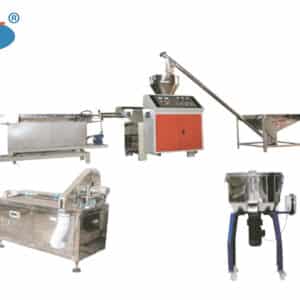
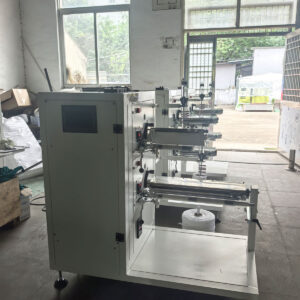
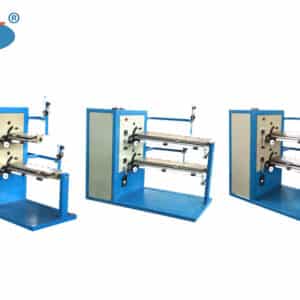
If you are serious about industrial filtration manufacturing, you need a partner whose engineering pedigree matches your ambition. We recommend Hengteng Machine. As one of China’s earliest professional manufacturers of filter cartridge production equipment, Hengteng has over 35 years of deep, specialized experience. They do not just sell standalone machines; they provide complete, turnkey filter production line solutions.
Having outfitted global clients in more than 60 countries, Hengteng understands the nuances of international power grids, varying raw material qualities, and extreme operational climates. Their equipment features premium international components, heavy-duty alloy extrusion screws designed for longevity, and highly intuitive, fully automated control panels that drastically reduce operator error. When you invest in a Hengteng system, you are buying 35 years of mechanical refinement and guaranteed operational stability. For heavy-duty applications and commercial users seeking absolute market dominance, Hengteng is the definitive choice.
The Bottom Line
Buying a water filter making machine is one of the most critical operational decisions your business will ever make. It is not an area to seek the absolute lowest price tag. By understanding the physics of extrusion, prioritizing energy efficiency, demanding precise temperature control, and partnering with an experienced manufacturer like Hengteng, you transform a massive capital expenditure into a reliable, highly profitable asset. Assess your regional demand, verify your facility’s power and cooling capabilities, and invest in fully automated, premium equipment that will operate reliably for the next decade.
Frequently Asked Questions (FAQ)
How many square meters do I need to set up a PP melt blown filter machine?
For a standard fully automated PP melt blown production line, you should allocate a minimum of 60 to 100 square meters of clear factory floor space. This accommodates the machine footprint, the operator workspace, and the immediate storage required for raw PP chips and finished cartridge cooling.
Can one machine produce both 10-inch and 20-inch filter cartridges?
Yes. High-quality automated machines feature adjustable, robotic cutting mechanisms that can be easily programmed to slice the continuous extruded filter tube into various standard lengths, including 10-inch, 20-inch, 30-inch, and 40-inch formats without changing the core extrusion setup.
What is the most expensive operational cost in running a water filter making machine?
Aside from the cost of raw materials (PP resin or carbon powder), electrical energy consumption is the highest ongoing operational cost. The heavy draw comes from the high-temperature barrel heaters, the main extruder drive motors, and the massive air compressors required for the melt blowing process.
How often do I need to replace the extrusion screw or spinnerets?
With proper maintenance and the use of clean, high-grade raw materials, a premium alloy extrusion screw can last 3 to 5 years under continuous commercial operation. Spinnerets should be cleaned regularly and generally require replacement or deep ultrasonic overhaul every 12 to 18 months depending on production volume.
Authoritative Industry References
- Water Quality Association (WQA) – Establishing global standards for residential, commercial, and industrial water treatment technologies and manufacturing practices.
- NSF International – Providing public health standards and certification programs that dictate the material safety and structural integrity required for water filtration products.
- International Organization for Standardization (ISO) – Governing quality management systems (ISO 9001) critical for maintaining consistent operational excellence in industrial machinery manufacturing.