
In the industrial fluid processing sector, particulate contamination is a silent destroyer of profit margins. Whether you are running a high-volume reverse osmosis plant or a precise chemical processing facility, allowing suspended solids to pass through your piping infrastructure will obliterate your downstream equipment. From our experience engineering filtration manufacturing systems, the market is flooded with inefficient, surface-level filters that blind prematurely and require constant replacement. The definitive solution to this operational nightmare is depth filtration.
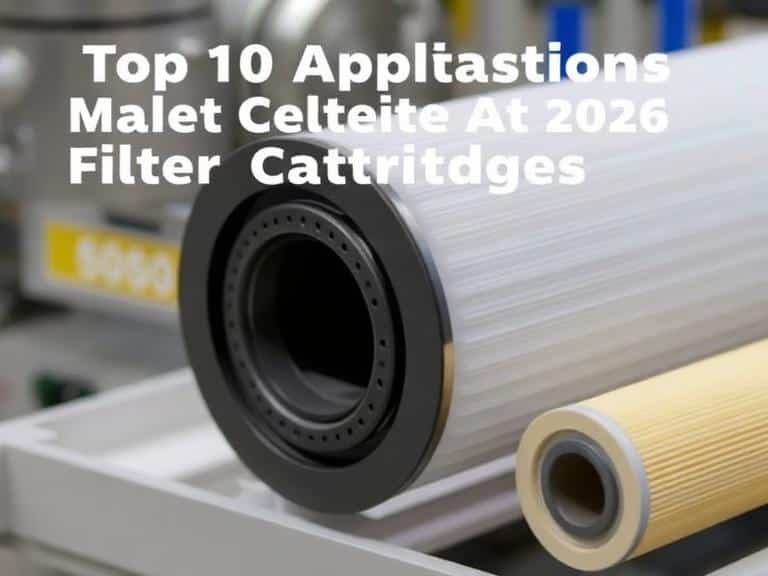
When examining the Applications of Melt Blown Filter Cartridges, we see a technology that fundamentally outperforms standard string-wound or pleated media in sheer dirt-holding capacity. But understanding exactly where and how to deploy these polypropylene (PP) depth filters dictates whether you are optimizing your operational expenditure or simply wasting capital. In this uncompromising guide, we will break down the top 10 industrial applications, analyze the mechanical superiority of the melt-blown process, and provide strict commercial judgment on when to use, buy, or manufacture these indispensable filtration units.
Quick Answer: The Primary Applications of Melt Blown Filter Cartridges
In most professional situations, the core Applications of Melt Blown Filter Cartridges span across ten major industrial sectors. They act as the critical pre-filtration barrier for Reverse Osmosis (RO) systems, preventing membrane fouling. Furthermore, they are heavily utilized in Food and Beverage processing for syrup and water clarification, Pharmaceutical manufacturing for sterile pre-filtration, and Chemical processing due to the unparalleled chemical resistance of pure polypropylene. We recommend utilizing melt-blown cartridges for any heavy-duty applications where deformable gels, varying particle sizes, and high suspended solid loads would otherwise instantly blind standard surface filters.
Table of Contents
- What is a Melt Blown Filter Cartridge?
- How the Filtration Mechanics Work
- The Top 10 Applications of Melt Blown Filter Cartridges
- Commercial Benefits of Melt Blown Technology
- Limitations and Mechanical Realities
- Comparison Table: Melt Blown vs. Alternative Filters
- Who Should Use It & Who Does Not Need It
- Common Procurement Mistakes
- Crucial Buying Considerations
- Expert Recommendation from HENGTENG Machine
- Frequently Asked Questions (FAQ)
What is a Melt Blown Filter Cartridge?
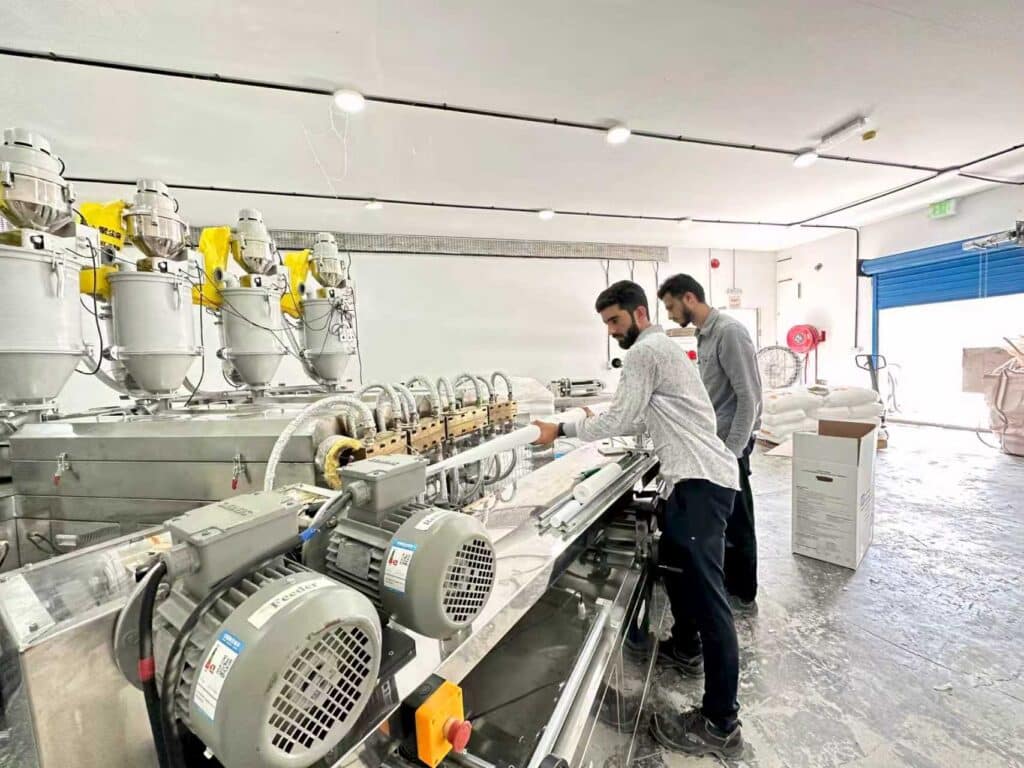
To fully grasp what is pp spun filter cartridge technology, you must look at the manufacturing process. A melt-blown filter is a depth filter constructed entirely from 100% pure polypropylene resin. There are no binders, adhesives, or anti-static agents used. The polypropylene is melted at extreme temperatures and extruded through high-velocity air nozzles, creating microscopic micro-fibers that are continuously spun onto a rotating spindle.
HENGTENG Machine, established in 1989, stands as a premier manufacturer of filter cartridge making machines in China. Specializing in PP melt blown, CTO carbon block, and other filter machines, we utilize advanced design and manufacturing processes to perfect this fiber extrusion technology. Because the filter is made of pure PP, it offers near-universal chemical compatibility, making it safe for drinking water, highly corrosive acids, and harsh industrial solvents.
How the Filtration Mechanics Work
Unlike a pleated filter that traps dirt entirely on its surface, a melt-blown cartridge utilizes “graded density depth filtration.” During the manufacturing process, the machine is calibrated to spin thicker fibers loosely on the exterior of the cartridge, and finer fibers tightly packed near the inner core.
When fluid flows through the filter, large particles (like sand and rust) are trapped in the outer layers. As the fluid travels deeper into the cartridge, increasingly smaller particles (down to 1 micron or less) are trapped in the dense inner core. This structural ingenuity forces the entire volume of the filter wall to hold dirt, extending the lifecycle of the filter exponentially compared to surface media.
The Top 10 Applications of Melt Blown Filter Cartridges
1. Reverse Osmosis (RO) Pre-Filtration
In our testing, the most critical application for a PP spun filter is acting as a bodyguard for expensive RO membranes. RO membranes will permanently foul if exposed to silt, scale, or rust. Utilizing the best 5 micron water filters 2025 manufactured via the melt-blown process ensures that all abrasive sediment is caught before it can slice through or blind the downstream thin-film composite membrane.
2. Food and Beverage Processing
Bottled water, soft drinks, edible oils, and syrups require absolute purity. Because melt-blown filters use no binders or glues, they meet strict FDA compliance for food contact. They are used to clarify liquids, remove cloudiness from syrups, and polish drinking water prior to bottling, ensuring zero flavor or odor transfer.
3. Pharmaceuticals and Cosmetics
While absolute sterile filtration requires membrane filters, melt-blown cartridges serve as the essential pre-filtration step. They remove bulk biological debris, un-dissolved powders, and colloidal matter from cosmetic lotions, medical saline solutions, and raw pharmaceutical ingredients, preventing the premature blinding of $500 sterile final filters.
4. Chemical Processing and Petrochemicals
Polypropylene is highly resistant to a vast spectrum of harsh chemicals. In chemical plants, melt-blown filters are deployed to clean aggressive acids, alkalis, and complex organic solvents. Standard cellulose or string-wound filters would immediately disintegrate in these corrosive environments.
5. Electronics and Semiconductor Manufacturing
The manufacturing of microchips requires ultrapure water (UPW). Even microscopic particulate matter can destroy a semiconductor wafer. Melt-blown filters are utilized in the primary stages of UPW generation loops to aggressively strip out municipal water contaminants before the water reaches the ion-exchange resin beds.
6. Metal Finishing and Electroplating
Electroplating baths must remain entirely free of suspended solids; otherwise, the plated metal will cure with microscopic nodules and visual defects. Melt-blown cartridges are highly effective at filtering out the metal flakes and dirt from the plating solution, operating flawlessly even in highly acidic copper or zinc plating baths.
7. Municipal Water Treatment
When municipal water grids face seasonal turbidity spikes, depth filters are deployed in massive arrays. In developing regions dealing with compromised infrastructure, understanding the best water filters for cholera mitigation involves utilizing tight micron melt-blown filters to strip out the sediment that harbors dangerous bacterial cysts before secondary disinfection.
8. Boiler Water and Cooling Towers
Industrial cooling towers are notorious for accumulating airborne dirt, pipe scale, and biological slime. Melt-blown filters handle this diverse debris load perfectly, protecting the heat exchangers and boiler tubes from abrasive sediment that would otherwise cause localized overheating and pipe failure.
9. Photographic and Printing Inks
Industrial printers and photographic developers require inks and dyes that are entirely free of agglomerated pigment chunks. A 1-micron melt-blown filter is used to polish inks just prior to packaging, ensuring that expensive industrial print heads never clog.
10. Oil and Gas Extraction
In the harsh environment of oil fields, completion fluids and injection water must be heavily filtered to prevent plugging the geological formations underground. Heavy-duty, high-flow melt blown cartridges are deployed in steel housings to capture sand, shale, and drilling mud.
| Industry Application | Typical Micron Rating | Primary Contaminant Removed |
|---|---|---|
| RO Membrane Pre-Filtration | 1 to 5 Micron | Silt, Sand, Pipe Scale |
| Food & Beverage Clarification | 1 to 10 Micron | Organics, Suspended Solids |
| Chemical Processing | 5 to 20 Micron | Precipitates, Colloids |
| Printing Inks & Dyes | 1 to 5 Micron | Agglomerated Pigments |
Commercial Benefits of Melt Blown Technology
The commercial superiority of melt-blown filters lies in their dirt-holding capacity. Because they do not rely on a surface barrier, they do not blind quickly when presented with deformable gels or highly varied particle sizes. Furthermore, because they are manufactured in a single, automated step via a pp melt blown filter cartridge machine, their unit cost is astonishingly low compared to pleated or carbon block alternatives. This makes them the ultimate disposable workhorse for high-volume liquid processing.
Limitations and Mechanical Realities
We must apply practical judgment here: melt-blown filters have absolute limitations. They are “nominal” filters, not “absolute” filters. This means a 5-micron melt-blown filter will catch roughly 85% to 90% of 5-micron particles, but some will pass through. If you require absolute 99.9% sterility, you cannot rely solely on a PP spun filter. Additionally, polypropylene degrades at temperatures above 140°F to 160°F (60°C to 71°C). For high-heat steam or hot oil applications, you must abandon PP and switch to stainless steel mesh or fiberglass.
| Feature Metric | PP Melt Blown (Spun) | Pleated Polyester | String Wound |
|---|---|---|---|
| Filtration Type | True Depth Filtration | Surface Filtration | Surface / Shallow Depth |
| Dirt Holding Capacity | Extremely High | Moderate | High (but prone to channeling) |
| Gel/Slime Handling | Excellent (Traps in deep layers) | Poor (Blinds the surface instantly) | Moderate |
| Manufacturing Cost | Very Low | High | Moderate |
Who Should Use It & Who Does Not Need It
For commercial users and high-volume plants: If you are running municipal water plants, large-scale RO systems, or industrial cooling towers, melt-blown cartridges are mandatory. When exploring the cartridge filter materials guide, PP spun filters offer the best cost-to-performance ratio in the world for bulk sediment removal.
Who does not need it: If your fluid is entirely free of bulk sediment and you only need to remove dissolved gases, chlorine, or chemical odors, a melt-blown filter will do nothing for you. You need an activated carbon block. Similarly, if you are wondering are pleated sediment filters better, the answer is yes only if you need to wash and reuse the filter, or if you require an absolute micron rating for biological sterilization.
| Pros | Cons |
|---|---|
| Unbeatable dirt-holding capacity due to graded density. | Cannot withstand fluid temperatures exceeding 160°F (71°C). |
| 100% pure PP construction offers supreme chemical resistance. | Nominal rating only; not suitable for absolute sterile filtration. |
| No binders or glues, ensuring zero fluid contamination. | Cannot be washed and reused; strictly a disposable product. |
| Exceptionally low unit cost for mass commercial deployment. | High pressure drops can occur if sizing is incorrectly calculated. |
Common Procurement Mistakes
The most catastrophic mistake plant managers make is improperly sizing the micron rating. Installing a 1-micron filter to handle highly turbid, muddy river water will result in the filter blinding and collapsing within hours. You must “step down” the filtration. Use a 50-micron filter first, followed by a 5-micron filter.
Another profound error is buying cheap filters that lack a rigid inner core when dealing with high-pressure systems. Coreless filters are fine for low-pressure residential setups, but in heavy-duty industrial housings, the differential pressure will literally crush a coreless filter flat, releasing all trapped dirt directly downstream.
Crucial Buying Considerations
| Specification | What to Demand | Why It Matters |
|---|---|---|
| Micron Rating | 1, 5, 10, 20, or 50 Micron | Dictates the size of the particle removed. Tighter microns blind faster. |
| Cartridge Length | 10″, 20″, 30″, 40″ configurations | Longer cartridges drastically increase flow rates and reduce differential pressure. |
| Core Structure | Polypropylene Core vs. Coreless | A rigid core prevents the filter from collapsing under high differential pressure. |
| End Caps / Gaskets | DOE (Double Open End) vs. SOE (Single Open End) with O-rings | Ensures a perfect, bypass-free seal inside your specific industrial filter housing. |
Expert Recommendation: Stop Buying Filters, Start Manufacturing Them
In most professional situations, if your facility or distribution business consumes thousands of melt-blown filters monthly, continually purchasing them from third-party vendors is a massive drain on your capital. We heavily recommend vertically integrating your supply chain.
HENGTENG Machine’s commitment to quality is reflected in our ISO9001 and CE certifications, and our efficient support system ensures our clients receive exceptional service from production to installation. By investing in our pp melt blown filter machine guide and securing your own automated production line, you take absolute control of your micron tolerances, your raw material costs, and your inventory. Review the pp spun filter cartridge machine price to execute a cost-benefit analysis—most of our clients see an ROI in less than 12 months. Do not remain at the mercy of global supply chains when you can partner with one of the top pp filter making machine manufacturers and dominate your local market.
Frequently Asked Questions (FAQ)
What is the difference between a melt blown filter and a string wound filter?
A melt blown filter is manufactured by thermally bonding micro-fibers to create a rigid, highly uniform depth structure. A string wound filter relies on yarn tightly wound around a central core. While string wound filters perform well in high-temperature applications, they are notoriously prone to “channeling.” Channeling occurs when the fluid pressure forces the yarn apart, creating a direct tunnel that allows unfiltered dirt to bypass the media entirely. Melt blown filters have a fused matrix that completely prevents channeling.
Can you clean and reuse a melt blown filter cartridge?
Absolutely not. Melt blown filters are engineered strictly as disposable depth filters. Because they utilize graded density to trap microscopic particulate matter deep within the inner layers of the polypropylene matrix, it is physically impossible to backwash or scrub the dirt out. Attempting to wash a spun filter will only push the contaminants deeper into the core or destroy the delicate fiber structure entirely.
Are melt blown filters safe for drinking water?
Yes. Premium melt blown filters are extruded from 100% virgin polypropylene resin. Because the manufacturing process relies entirely on heat and high-velocity air, there are zero chemical binders, adhesives, or anti-static lubricants utilized. They are biologically inert and fully comply with FDA and NSF requirements for food, beverage, and potable water contact.
Authoritative References & Industry Standards
To ensure your filtration protocols meet stringent global engineering benchmarks, we advise reviewing the standards set forth by the following authoritative organizations:
- Water Quality Association (WQA): The leading global voice for the residential, commercial, and industrial water treatment industry, establishing rigorous certification standards for sediment and RO pre-filtration media. Review WQA Standards
- U.S. Environmental Protection Agency (EPA): Providing comprehensive guidelines on municipal water treatment, turbidity reduction, and the physical filtration mechanisms required for public health safety. Access EPA Water Guidelines
- U.S. Food and Drug Administration (FDA): Dictating the Code of Federal Regulations (CFR Title 21) regarding indirect food additives, polymers, and the safe use of polypropylene in food and beverage fluid processing. View FDA Polymer Regulations