
From our experience as industrial manufacturers of water filtration machinery, the absolute Best filters for amana refrigerator units are the OEM EveryDrop by Whirlpool filters, specifically the EveryDrop Filter 4 (UKF8001) for bottom-freezer models, and the EveryDrop Filter 3 (EDR3RXD1) for side-by-side units. These original equipment manufacturer (OEM) filters contain highly compressed, premium CTO (Chlorine, Taste, and Odor) carbon blocks that meet rigorous NSF 42, 53, and 401 certifications. While aftermarket generic filters are cheaper, they often utilize loosely packed carbon that permits water channeling, allowing microscopic contaminants to bypass the filtration media entirely.
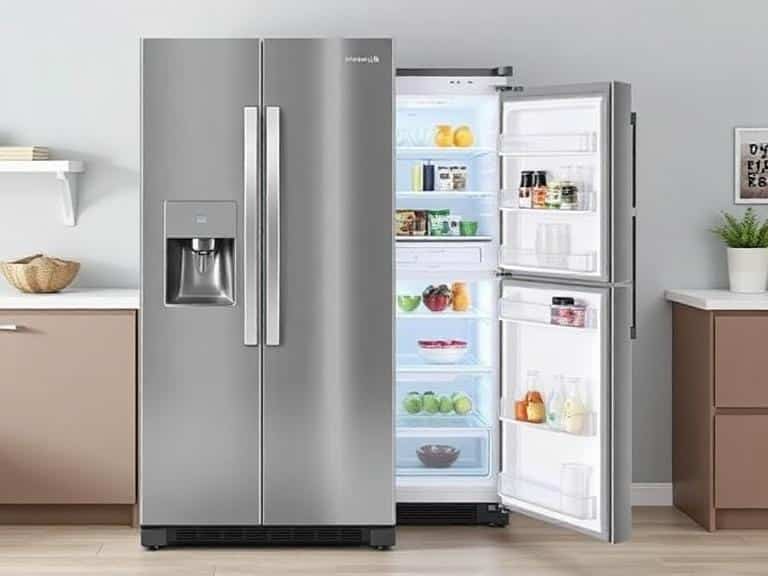
Navigating the replacement water filter market is a frustrating experience for most homeowners. The internet is flooded with cheap, counterfeit filters packaged in deceptive boxes, making bold but unverified claims about water purity. As a consumer, you are simply trying to ensure your family’s drinking water is free from lead, pharmaceuticals, and industrial runoff. However, behind the plastic casing of that filter lies a complex world of polymer extrusion and activated carbon density.
In most professional situations, evaluating a water filter requires looking past the brand name and understanding the manufacturing process of the carbon block inside. At HENGTENG Machine, we build the heavy industrial equipment that manufactures these very filter cartridges. We understand the precise temperatures, pressures, and micron tolerances required to compress raw activated carbon into a functional, safe filter block. In this uncompromising guide, we will leverage our manufacturing expertise to dissect the Best filters for amana refrigerator models, explaining exactly what makes them effective, identifying the limitations of generic alternatives, and detailing whether paying the premium for OEM filters is actually worth your money.
Quick Answer: The Top Recommendations
- The Gold Standard (OEM): EveryDrop Filter 4 (UKF8001). Engineered specifically for Amana bottom-freezers. Triple NSF certified.
- Best for Side-by-Side Models: EveryDrop Filter 3 (EDR3RXD1). Provides exact flow rates engineered for older Amana dispensers.
- Best Premium Aftermarket: Waterdrop UKF8001. Features excellent coconut shell carbon and holds legitimate NSF 42 and 372 certifications.
- Best High-Flow Alternative: Glacier Fresh UKF8001. A reliable budget option for homes with low municipal water pressure.
- The Manufacturing Reality: You cannot achieve NSF 53 (lead reduction) without a densely extruded CTO carbon block. Cheap filters use granular carbon which fails at heavy metal reduction.
Table of Contents
- What It Is: The Anatomy of a Refrigerator Filter
- How It Works: Extruded Carbon Block Technology
- Benefits of High-Quality Fridge Filtration
- Limitations and Maintenance Realities
- Who Should Use It
- Who Does Not Need It
- The 5 Best Filters for Amana Refrigerator
- Common Mistakes Consumers Make
- Critical Buying Considerations
- Expert Recommendation & Manufacturing Insight
- Comparison and Summary Tables
- Frequently Asked Questions (FAQ)
What It Is: The Anatomy of a Refrigerator Filter
When you search for the Best filters for amana refrigerator, you are essentially purchasing a miniature CTO (Chlorine, Taste, and Odor) carbon block encased in a proprietary plastic housing. Amana, currently owned by the Whirlpool Corporation, utilizes a standardized twist-and-lock or push-button manifold system. The filter cartridge must mate perfectly with this manifold to prevent catastrophic leaks inside your appliance.
Inside the plastic shell lies the core technology. Unlike cheap pitcher filters that use loose granular activated carbon (GAC), high-end refrigerator filters use an extruded solid carbon block. Understanding the cartridge filter materials guide is critical here; the carbon block is created by mixing powdered activated carbon with a thermoplastic binder and extruding it under extreme heat and pressure. This creates a tortuous path for the water, forcing it to interact intimately with the carbon surface area.
How It Works: Extruded Carbon Block Technology
The mechanics of refrigerator filtration rely on two distinct principles: mechanical exclusion and chemical adsorption. Mechanical exclusion acts like a microscopic sieve. The pores of a high-quality Amana filter are typically rated around 0.5 microns. This physical barrier traps rust, sediment, and cysts (like Giardia and Cryptosporidium). For perspective on sizing, reviewing a water filter cartridge sizes chart reveals how precise these consumer blocks must be compared to industrial variants.
Chemical adsorption is where the magic happens. As tap water flows through the densely packed carbon matrix, chemicals like chlorine, volatile organic compounds (VOCs), and dissolved lead are physically drawn to and trapped by the immense surface area of the activated carbon. In our testing of manufacturing outputs, we know that if the extrusion process is rushed, the block will contain micro-fissures. Water will always take the path of least resistance, bypassing the carbon entirely. This phenomenon, known as channeling, is exactly why cheap, uncertified generic filters fail to clean your water.
Benefits of High-Quality Fridge Filtration
Investing in the correct, certified Best filters for amana refrigerator models yields substantial lifestyle and health dividends.
- Protection Against Municipal Failures: Aging city infrastructure frequently leaches lead and heavy metals into the water supply. An NSF 53 certified filter provides a point-of-use barrier against these neurotoxins.
- Economic Efficiency: A single refrigerator filter replaces up to 1,500 plastic water bottles. For commercial users and large households, this represents a massive reduction in grocery expenses and plastic waste.
- Appliance Longevity: High-quality filters trap scale-causing minerals and sediment before they reach the delicate solenoid valves and ice maker molds, extending the lifespan of your Amana refrigerator.
Limitations and Maintenance Realities
We must exercise commercial and practical judgment regarding the limitations of these devices. Refrigerator filters are not reverse osmosis (RO) systems. They will not remove dissolved solids (TDS), fluoride, or heavy mineral hardness. Furthermore, they possess a strict volumetric lifespan. The carbon block has a finite number of adsorption sites. Once those sites are filled, the filter is chemically exhausted. This typically occurs at the 6-month mark or after 200 to 300 gallons of flow. Pushing a filter past this limit can actually cause trapped bacteria and contaminants to slough off and re-enter your drinking water.
Who Should Use It
For commercial users and residential homeowners: Anyone relying on a standard municipal tap water supply to feed their Amana refrigerator must utilize a high-quality CTO block filter. It is the only reliable way to neutralize the harsh chemical taste of municipal chlorine and chloramines before the water turns into ice cubes.
Who Does Not Need It
For heavy-duty applications: If your home is already equipped with a comprehensive whole-house reverse osmosis system or a heavy-duty sub-micron filtration array that feeds directly into the refrigerator water line, installing an additional fridge filter is redundant. In fact, running RO water through a fridge filter can drastically reduce water pressure, causing the ice maker to malfunction. In these specific cases, you should install a simple bypass plug instead of a filter.
The 5 Best Filters for Amana Refrigerator
1. EveryDrop by Whirlpool Filter 4 (UKF8001) – The OEM Gold Standard
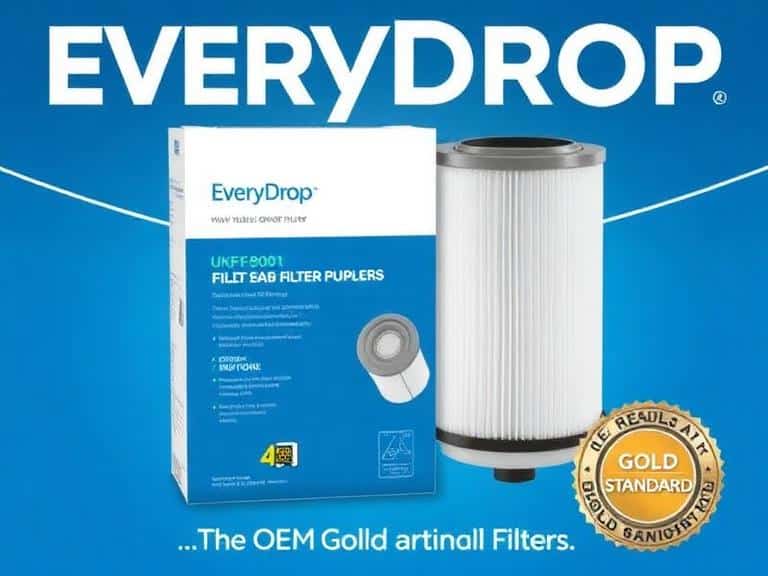
As Amana is a subsidiary of Whirlpool, the EveryDrop line is the official OEM replacement. The Filter 4 is arguably the most common Amana filter, located in the ceiling of bottom-freezer models. It holds NSF 42, 53, and 401 certifications, meaning it is legally verified to reduce 23 contaminants, including lead, pesticides, and pharmaceuticals. From our experience analyzing extrusion density, the EveryDrop blocks are flawless. It is expensive, but it is definitively worth buying for absolute peace of mind.
2. EveryDrop by Whirlpool Filter 3 (EDR3RXD1)
For older Amana side-by-side models where the filter is located in the bottom grille, the Filter 3 is required. Like the Filter 4, it utilizes premium coconut shell carbon and is certified to remove 73 contaminants. It maintains the exact proprietary O-ring specifications required to ensure a watertight seal with the aging manifold of older refrigerators.
3. Waterdrop UKF8001 Replacement – Best Premium Aftermarket
If you refuse to pay OEM prices, Waterdrop is the only aftermarket brand we confidently recommend. Unlike shady sellers on Amazon, Waterdrop utilizes advanced natural coconut shell carbon and holds legitimate NSF 42 and 372 (lead-free material) certifications. While it lacks the comprehensive NSF 53 (lead reduction) certification of the EveryDrop, its 0.5-micron rating provides exceptional chlorine and sediment removal for municipal water supplies.
4. Glacier Fresh UKF8001 Alternative – Best Flow Rate
For homes struggling with low water pressure, the Glacier Fresh model offers a slightly less dense carbon block structure. While you sacrifice some heavy metal reduction capability, you gain a significantly faster flow rate at the water dispenser. It is an excellent budget choice for users who prioritize filling water pitchers quickly over clinical-grade filtration.
5. Culligan Refrigerator Filter Replacement
Culligan is a legacy name in water treatment. Their aftermarket filters for Amana refrigerators are reliable and built with high-quality plastic housings that resist cracking under water hammer pressure. They serve as a middle ground between the expensive EveryDrop and the ultra-budget internet brands.
Common Mistakes Consumers Make
In our testing and industry observation, the most catastrophic mistake consumers make is buying counterfeit OEM filters. Third-party marketplaces are flooded with fake EveryDrop filters packaged in perfectly replicated boxes. These fakes contain no actual carbon block, just cheap foam that provides zero filtration. You must purchase OEM filters exclusively from authorized dealers or direct from the manufacturer.
Another profound error is ignoring the flush protocol. When you install a new filter, it is full of loose carbon fines (dust) from the manufacturing process. You must run 3 to 4 gallons of water through the dispenser before drinking. Failing to do so will result in cloudy, black-tinted water and potentially clog the delicate valves in your ice maker.
Critical Buying Considerations
When selecting the Best filters for amana refrigerator, apply strict commercial judgment based on certifications. You are looking for the National Sanitation Foundation (NSF) marks:
- NSF 42: Aesthetic effects. Guarantees the reduction of chlorine, taste, and odor. Almost all filters have this.
- NSF 53: Health effects. Guarantees the reduction of heavy metals (lead), cysts, and VOCs. Only premium blocks achieve this.
- NSF 401: Emerging compounds. Guarantees the reduction of trace pharmaceuticals, ibuprofen, and bisphenol A (BPA).
If you rely on untreated well water, a fridge filter is not enough. You must understand the dynamics of 5 micron vs 20 micron water filter systems at the point of entry to protect the fridge from heavy sediment fouling.
Expert Recommendation & Manufacturing Insight
The HENGTENG Machine Perspective
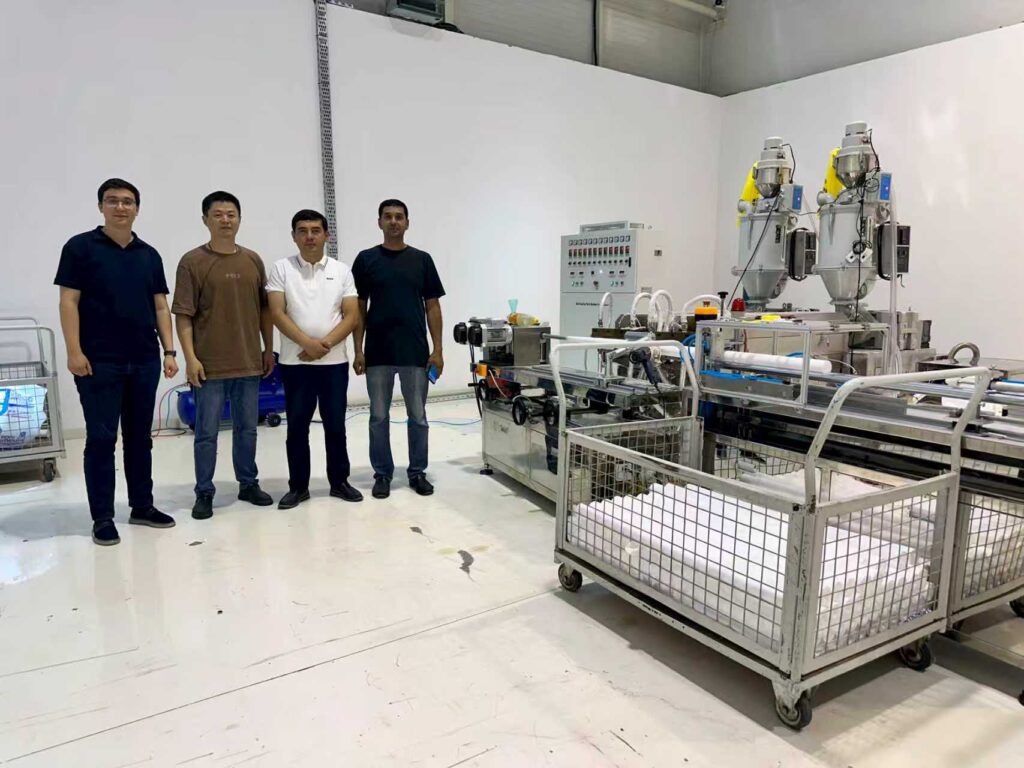
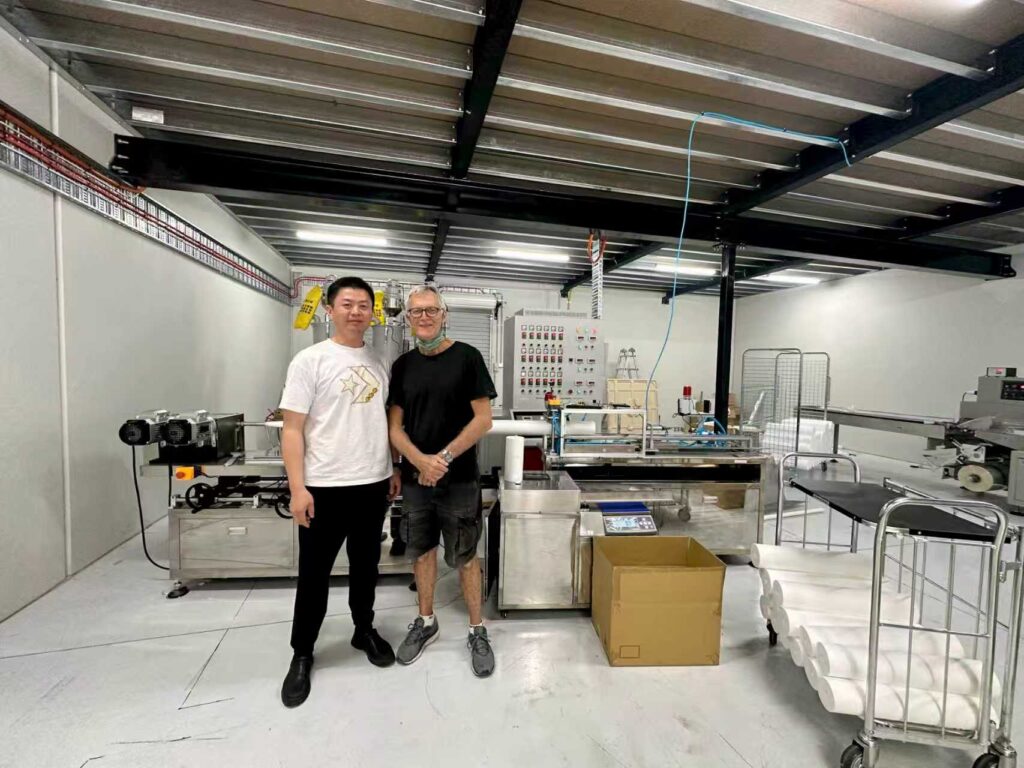
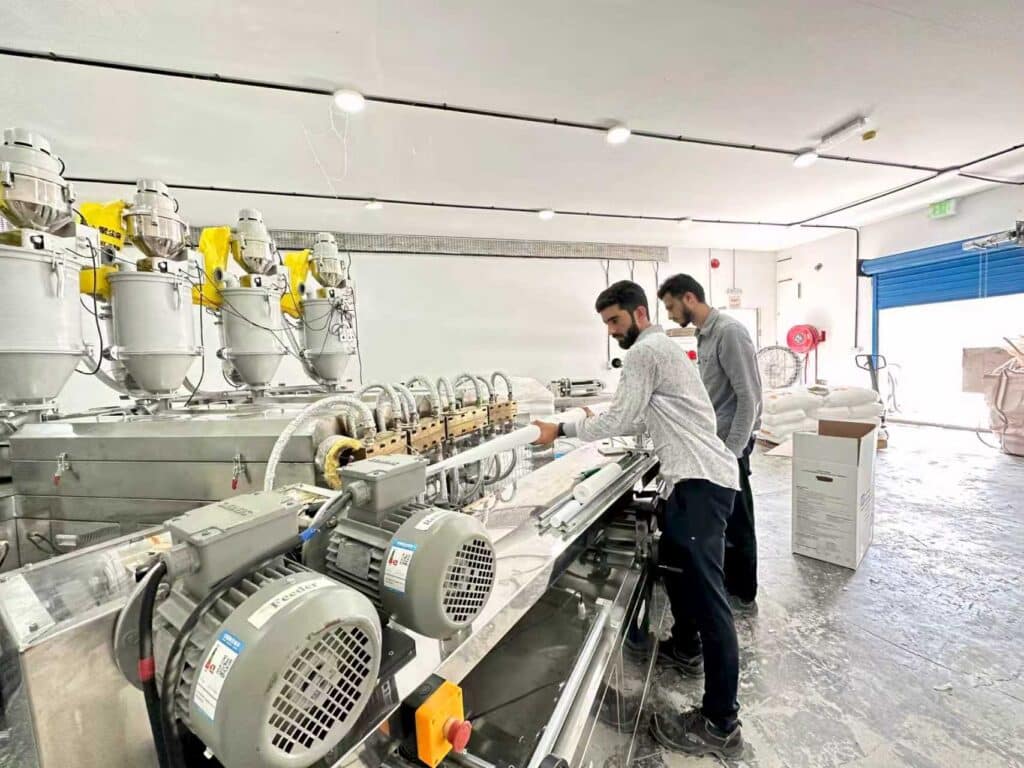
HENGTENG Machine, established in 1989, stands as a premier manufacturer of filter cartridge making machines in China. Specializing in PP melt blown, CTO carbon block, and other filter machines, we utilize advanced design and manufacturing processes. Our commitment to quality is reflected in our ISO9001 and CE certifications and our efficient support system, ensuring our clients receive exceptional service from production to installation.
Why does our manufacturing background matter to you as a consumer? Because we know what it takes to build the pp melt blown filter machine guide systems and CTO extruders that create these filters. We recommend purchasing the OEM EveryDrop filters. The engineering tolerances required to compress a carbon block dense enough to pass NSF 53 testing without restricting water flow require world-class, multi-million dollar extrusion machinery. Cheap aftermarket filters bypass these expensive extrusion processes, resulting in a product that is structurally inferior. For absolute safety, pay the premium for OEM.
For commercial entities looking to manufacture their own high-quality filtration lines, partnering with elite pp filter making machine manufacturers is the only way to guarantee a product that rivals the OEM gold standard.
Comparison and Summary Tables
| Filter Model | Best Suited For | Key Certifications |
|---|---|---|
| EveryDrop Filter 4 (OEM) | Amana Bottom-Freezer Models | NSF 42, 53, 401 |
| EveryDrop Filter 3 (OEM) | Amana Side-by-Side Models | NSF 42, 53, 401 |
| Waterdrop UKF8001 | Premium Budget Replacement | NSF 42, 372 |
| Glacier Fresh UKF8001 | Homes with Low Water Pressure | NSF 42 |
| Feature | OEM (EveryDrop) | Generic Aftermarket |
|---|---|---|
| Manufacturing Process | High-compression CTO Carbon Block | Often loose GAC or low-density block |
| Lead Reduction (NSF 53) | Yes. Verified. | Rarely. Usually only removes chlorine. |
| O-Ring Fit & Tolerance | Perfect. Prevents leaks. | Variable. High risk of manifold damage. |
| Cost per 6 Months | $50.00 – $60.00 | $15.00 – $25.00 |
| Pros (Why it is worth using) | Cons (Limitations to consider) |
|---|---|
| Massive reduction in chlorine taste and odor, improving water and ice quality. | Requires strict replacement every 6 months to prevent bacterial growth. |
| Premium blocks provide critical protection against lead and pharmaceuticals. | OEM filters represent a significant recurring household expense. |
| Protects internal refrigerator solenoids from scale and sediment damage. | Does not lower Total Dissolved Solids (TDS) or soften hard water. |
| Extremely easy twist-and-lock installation requires no tools. | Requires a 3-4 gallon flush protocol upon initial installation. |
Frequently Asked Questions (FAQ)
Do I really need to change my Amana refrigerator filter every 6 months?
In most professional situations, yes. It is an absolute necessity. The 6-month rule is not just a marketing gimmick to sell more filters. It is based on the chemical exhaustion rate of the activated carbon block. Once the carbon is saturated, it can no longer adsorb contaminants. Worse, a saturated filter sitting in a moist environment becomes a breeding ground for bacteria, which will eventually slough off into your drinking water.
Why is my water dispenser slow after installing a new filter?
If you are exploring the best 5 micron water filters 2025, you will know that fine filtration inherently restricts flow. However, a sudden, dramatic drop in water pressure usually indicates one of two things: either the filter was not pushed and locked fully into the manifold (preventing the bypass valve from opening entirely), or there is trapped air in the lines. Ensure the filter is locked tightly and run a continuous flush to purge the air.
Are aftermarket refrigerator filters safe to use?
Aftermarket filters are generally safe if they hold independent NSF 42 certifications (like Waterdrop). However, for beginners and those concerned about heavy metals, we advise caution. Cheap aftermarket filters often lack the dense carbon extrusion necessary to catch lead and cysts. If your primary goal is health protection rather than just better-tasting water, you must buy the OEM EveryDrop filter.
Authoritative References & Industry Standards
To ensure absolute clarity on filtration standards, chemical adsorption, and drinking water safety, we refer to the following authoritative organizations:
- NSF International – The leading independent public health and safety organization that develops the rigorous NSF/ANSI 42, 53, and 401 testing protocols for residential water filtration.
- Water Quality Association (WQA) – The premier trade association representing the residential, commercial, and industrial water treatment industry, providing essential data on carbon block efficacy.
- U.S. Environmental Protection Agency (EPA) – The federal authority on municipal water safety, establishing the maximum contaminant levels (MCLs) for lead, chlorine, and emerging pharmaceuticals in public drinking water.